

Your basement, often relegated to a forgotten space, holds more significance than you might realize. Beyond being a storage area or housing essential utilities, basements are susceptible to a common and potentially hazardous problem—mold growth. In this comprehensive article, we will explore the intricacies of mold in your basement, understanding its causes, the risks it poses to health and property, and most importantly, effective strategies for prevention and remediation.
I. The Basics of Mold:
Mold is a type of fungus that thrives in damp, humid environments. Basements, being naturally cool and prone to moisture accumulation, provide an ideal breeding ground for mold. Mold spores are present in the air both indoors and outdoors, but they only become problematic when they find favorable conditions for growth.
There are various types of mold, including the notorious Stachybotrys chartarum, commonly known as black mold. While not all molds are harmful, certain species can produce mycotoxins that may pose health risks to humans and pets. Understanding the factors that contribute to mold growth is crucial for effectively preventing and addressing this issue.
II. Common Causes of Mold in Basements:
A. Moisture Intrusion: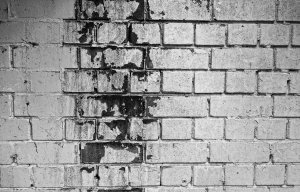
The primary catalyst for mold growth in basements is moisture intrusion. This can occur through leaks in the foundation, cracks in walls, or improper sealing of windows and doors. Even minor water seepage can create a damp environment conducive to mold development. Identifying and rectifying the source of moisture is the first step in preventing and addressing mold issues.
B. Poor Ventilation:
Inadequate ventilation exacerbates moisture-related problems in basements. Proper air circulation helps prevent the accumulation of humidity, reducing the likelihood of mold growth. Basements with insufficient ventilation create stagnant air, allowing moisture to linger and contribute to the ideal conditions for mold to thrive.
C. Flooding and Water Damage:
Basements are vulnerable to flooding, especially in areas prone to heavy rainfall or where inadequate drainage systems are in place. Sump pump failures, burst pipes, or sewer backups can also result in substantial water damage. If not promptly and properly addressed, such incidents can lead to extensive mold infestations.
III. Health Risks Associated with Mold:
Mold exposure can have adverse effects on health, particularly for individuals with respiratory conditions, allergies, or compromised immune systems. Common health issues associated with mold include:
A. Respiratory Problems:
Inhaling mold spores can trigger or exacerbate respiratory problems such as asthma, bronchitis, and sinus infections. Individuals with pre-existing respiratory conditions may experience more severe symptoms when exposed to mold.
B. Allergic Reactions:
Mold allergies are common and can manifest as sneezing, coughing, skin rashes, and itchy or watery eyes. Prolonged exposure may lead to chronic allergic reactions, impacting the overall well-being of individuals living in the affected space.
C. Mycotoxin Exposure:
Certain molds produce mycotoxins, which, when ingested, inhaled, or in contact with the skin, can cause a range of health issues. Symptoms may include headaches, fatigue, nausea, and, in extreme cases, neurological problems. Black mold, in particular, is known for producing mycotoxins.
IV. Detecting Mold in Your Basement:
Identifying a mold problem in its early stages is crucial for effective remediation. Common signs of mold in basements include:
A. Musty Odor:
Mold emits a distinct musty odor that is often the first indication of its presence. If you notice a persistent, unpleasant smell in your basement, it’s essential to investigate the source.
B. Visible Mold Growth:
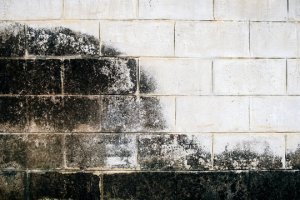
Obvious signs of mold include discoloration, often appearing green, black, or brown, on walls, ceilings, or other surfaces. Mold can also take on a fuzzy or slimy texture, depending on the species.
C. Water Stains:
Stains or discoloration on walls and ceilings can indicate past or ongoing water intrusion, providing an environment conducive to mold growth.
D. Respiratory Symptoms:
Unexplained respiratory symptoms, allergies, or other health issues among occupants may be indicative of mold-related problems.
V. Prevention Strategies:
Preventing mold growth in your basement requires a combination of proactive measures. Here are key strategies to implement:
A. Manage Moisture:
Address any sources of water intrusion promptly. Repair foundation cracks, seal windows and doors, and ensure proper grading around the foundation to direct water away from the basement. Installing a dehumidifier can also help maintain optimal humidity levels.
B. Improve Ventilation:
Enhance airflow in your basement by installing vents, exhaust fans, or opening windows when weather permits. Adequate ventilation reduces humidity levels, minimizing the conditions favorable to mold growth.
C. Regular Inspections:
Conduct regular inspections of your basement, checking for signs of water damage, leaks, or any musty odors. Promptly address any issues to prevent them from escalating into full-blown mold infestations.
D. Proper Insulation:
Properly insulate walls and pipes to prevent condensation, a common contributor to moisture-related problems. Insulation helps maintain stable temperatures, reducing the likelihood of humidity buildup.
E. Use Mold-Resistant Materials:
When renovating or finishing your basement, choose materials that are resistant to mold growth. Mold-resistant drywall, flooring, and insulation can help create an environment less conducive to mold development.
VI. Remediation and Cleanup:
If you discover mold in your basement, it’s essential to take swift and appropriate action. Mold remediation involves the following steps:
A. Identify and Address the Source:
Determine the source of moisture or water intrusion and address it immediately. Whether it’s fixing leaks, improving ventilation, or resolving drainage issues, eliminating the source is crucial to preventing mold recurrence.
B. Containment:
Isolate the affected area to prevent the spread of mold spores to other parts of the house. Seal off the contaminated space, and use plastic sheeting to create a barrier if necessary.
C. Removal of Contaminated Materials:
Remove and discard materials that cannot be salvaged, such as heavily contaminated drywall, insulation, or carpeting. Dispose of these materials in accordance with local regulations for mold-contaminated waste.
D. Cleaning and Disinfection:
Clean hard surfaces with mold-killing solutions, such as a mixture of water and detergent or specialized mold cleaners. Be thorough in your cleaning efforts, ensuring all visible mold is removed. Disinfect affected areas to prevent mold spores from regrowing.
E. Professional Assistance:
For extensive mold infestations or situations where health risks are a concern, it is advisable to seek professional mold remediation services. Certified professionals have the expertise and equipment to handle large-scale mold problems safely and effectively.
Mold in your basement is not just a cosmetic issue; it poses potential risks to both property and health. Understanding the causes, recognizing the signs, and implementing preventive measures are crucial steps in creating a safe and mold-free environment. Regular inspections, prompt remediation, and a commitment to moisture control can help you safeguard your home and the well-being of its occupants from the insidious threat of mold.
Contact the Professionals at Aqua Dry Basement Waterproofing Today! (215) 509-5087

20 + years of experience! – It’s hard to find another company like ours. Our team of experts have decades of experience in residential and commercial construction, plumbing, masonry, and carpentry skills. Not just waterproofing …
5 Star Customer Satisfaction Guarantees! – We receive many compliments on our level of professionalism, cutting edge materials, hard working crews, cleanliness, and customer service: which is something hard to find in our industry. Our goal is to exceed your expectations from start to finish! We are here to alleviate your anxiety and will work our hardest to make sure that all of your concerns are achieved 100%.
