

Foundation repair is a crucial aspect of home maintenance, as the foundation supports the entire structure of a building. A compromised foundation can lead to severe structural issues, affecting the safety and value of the property. This article delves into various foundation repair methods, helping homeowners understand how to address and rectify different types of foundation damage.
Understanding Foundation Issues

Before exploring repair methods, it’s important to identify the signs of foundation problems, which can include:
- Cracks in walls or floors
- Doors or windows that stick or won’t close properly
- Sloping floors or stairs
- Gaps around window frames or exterior doors
- Bowing walls
These symptoms can indicate underlying issues such as soil movement, improper drainage, or poor foundation construction. Identifying the root cause is crucial for choosing the correct repair method.
Common Causes of Foundation Problems
Foundation issues can stem from a variety of sources:
- Soil Issues: Expansive clay soils that swell with moisture and shrink during dry conditions can cause significant movement and stress on a foundation.
- Improper Drainage: Water accumulation around a foundation can lead to hydrostatic pressure, which pushes against the foundation walls.
- Poor Construction: Inadequate construction or the use of subpar materials can lead to foundation failure over time.
- Environmental Changes: Seismic activity, tree roots, or changes in the groundwater level can also impact the foundation.
Foundation Repair Methods
Repair methods vary based on the type and severity of the foundation damage. Here are several effective techniques used in foundation repair:
1. Piering and Underpinning
Piering and underpinning methods are used to stabilize and sometimes lift a foundation by transferring the weight of the building to stable soil deeper in the ground.
- Steel Piers: Steel piers are driven deep into the ground until they reach stable soil and are then attached to the foundation with brackets. This method is effective for lifting a sinking foundation back to its original position.
- Helical Piers: Similar to steel piers, helical piers are screwed into the ground and are often used for lighter structures or for soil conditions where traditional piers are less effective.
- Segmented Piers: A more cost-effective option, segmented piers are also driven into the ground to stabilize the foundation but may not provide as much lifting capability.
2. Slabjacking
Slabjacking is a method used to lift sunken concrete slabs back to their original level. It involves drilling holes into the slab and pumping a mixture of water, soil, sand, and cement beneath the slab to raise it.
3. Mudjacking
Similar to slabjacking, mudjacking uses a denser slurry that provides more lifting power. It is effective for correcting sunken sidewalks, driveways, and other concrete surfaces.
4. High-Density Polyurethane Foam
An alternative to mudjacking, this method involves injecting a polyurethane foam into the ground beneath the foundation or slab. The foam expands rapidly, lifting the concrete back into place. This technique is quick, less invasive, and often provides a long-lasting solution.
5. Root Barriers
Root barriers are used to prevent damage from tree roots by redirecting them away from the foundation. They are installed in trenches around the foundation to protect against root growth that can cause lifting or cracking.
6. Soil Stabilization
Soil stabilization involves altering the soil properties to improve its strength and durability. Techniques can include the injection of chemical compounds or the installation of drainage systems to control moisture levels in the soil.
7. Waterproofing
Proper waterproofing is essential to prevent water from seeping through the foundation, which can cause cracks and structural damage. Waterproofing methods can include the application of sealants, the installation of drainage systems, and exterior waterproofing membranes.
Selecting the Right Repair Method
Choosing the appropriate repair method depends on several factors: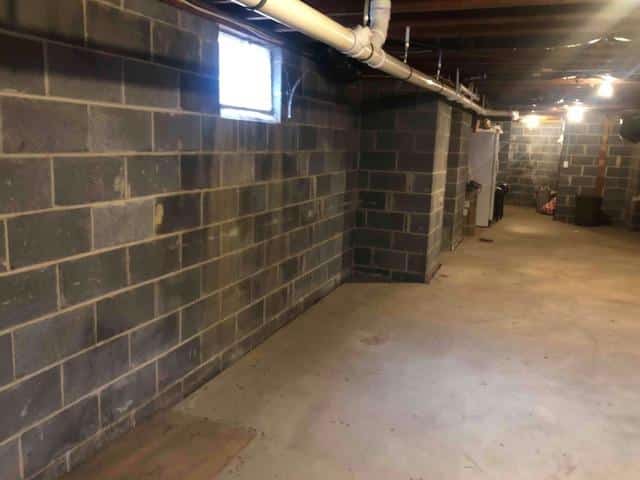
- Type of Foundation: The construction type of the foundation (slab, basement, crawl space, etc.) influences the choice of repair method.
- Severity of Damage: More extensive damage may require more invasive and comprehensive repair methods.
- Soil Conditions: The soil type and conditions around the home play a crucial role in selecting the repair technique.
- Budget: The cost of foundation repair can vary widely, so it’s important to consider what is feasible within a homeowner’s budget.
Maintenance and Prevention
To prevent future foundation problems, regular maintenance is essential:
- Routine Inspections: Regularly check for signs of foundation damage and address issues promptly.
- Manage Drainage: Ensure that gutters, downspouts, and landscaping effectively direct water away from the foundation.
- Monitor Soil Moisture: Keep the soil around the foundation consistently moist, particularly in areas with expansive clay soils, to prevent significant expansion and contraction.
Effective foundation repair not only restores structural integrity but also protects against further damage, preserving the safety, functionality, and value of your home. Understanding the different repair methods available allows homeowners to make informed decisions and take proactive steps towards maintaining their property. Regular inspections and preventative measures are key to avoiding costly repairs and ensuring the long-term stability of your home’s foundation.
Contact the Professionals at Aqua Dry Basement Waterproofing Today! (215) 509-5087

20 + years of experience! – It’s hard to find another company like ours. Our team of experts have decades of experience in residential and commercial construction, plumbing, masonry, and carpentry skills. Not just waterproofing …
5 Star Customer Satisfaction Guarantees! – We receive many compliments on our level of professionalism, cutting edge materials, hard working crews, cleanliness, and customer service: which is something hard to find in our industry. Our goal is to exceed your expectations from start to finish! We are here to alleviate your anxiety and will work our hardest to make sure that all of your concerns are achieved 100%.