

A stable and secure foundation is the cornerstone of any building. Over time, foundations can shift, crack, or sink due to various factors such as soil conditions, water intrusion, or even natural settling. Foundation issues, if not addressed promptly, can compromise the structural integrity of the entire home. Modern foundation repair techniques offer homeowners long-lasting solutions to restore and maintain the stability of their property.
Understanding Foundation Issues
Foundations can experience a variety of problems, including:
- Cracks in the foundation: These can be hairline cracks caused by natural settling or more significant cracks indicating severe structural damage.
- Foundation settlement: This occurs when the soil beneath the foundation shifts or compresses, leading to uneven settling of the home.
- Bowing or buckling walls: Excessive moisture in the soil around the foundation can cause hydrostatic pressure, leading to inward bowing of foundation walls.
- Water infiltration: Poor drainage and waterproofing issues can allow water to seep into the foundation, causing erosion and weakening of the structural base.
Addressing these problems early is crucial to avoiding costly repairs in the future. Fortunately, there are several advanced techniques available for restoring foundation stability and preventing further damage.
Causes of Foundation Damage
To effectively repair a foundation, it’s important to understand the underlying causes of the damage. Several factors can contribute to foundation problems:
- Soil movement: Expansive soils, such as clay, can expand and contract with moisture levels, causing significant stress on the foundation. In contrast, sandy soils may lead to erosion, which can undermine the foundation’s stability.
- Poor drainage: Water pooling around a home’s foundation can cause erosion and weaken the soil, leading to settlement and cracks. Proper drainage systems are crucial to directing water away from the home.
- Improper construction: In some cases, foundation issues may arise due to substandard construction techniques. Poorly compacted soil, inadequate reinforcements, or improper placement of the foundation can lead to early failure.

Modern Foundation Repair Techniques
Today’s foundation repair methods have evolved to offer more effective and durable solutions compared to traditional techniques. Here are some of the most advanced methods used in foundation repair today:
- Helical Piers
Helical piers are an excellent solution for foundation settlement problems. These piers are essentially large, screw-like shafts that are driven deep into the soil beneath the foundation until they reach stable load-bearing strata. Helical piers transfer the weight of the structure from the compromised soil to the more stable layers below, preventing further settling.
One of the key benefits of helical piers is their versatility. They can be used in a variety of soil conditions and are ideal for both new construction and foundation repair. Additionally, helical piers are quick to install, minimally invasive, and require little excavation, making them a popular choice for residential foundation repairs.
- Push Piers
Push piers, also known as resistance piers, are another method of addressing foundation settlement. These piers are hydraulically driven deep into the ground until they reach bedrock or stable soil. The building’s weight is then transferred to the piers, lifting the foundation back to its original level.
Push piers are highly effective in areas where the soil is unstable and prone to movement. Like helical piers, they can be installed with minimal disruption to the home and surrounding landscape. Push piers provide a permanent solution to foundation settlement and are commonly used in homes experiencing severe sinking or sloping.
- Slab Jacking
Slab jacking, also known as mud jacking, is a technique used to lift and stabilize sunken concrete slabs. This process involves injecting a grout mixture beneath the slab, which fills the voids and raises the foundation back to its original position.
This method is particularly useful for homes with concrete slab foundations that have settled unevenly. Slab jacking is less invasive than other repair methods and can be completed relatively quickly. However, it is typically used for minor to moderate settlement issues rather than severe foundation damage.
- Carbon Fiber Reinforcement
When foundation walls bow or crack due to hydrostatic pressure, carbon fiber reinforcement can provide a strong and lasting solution. Carbon fiber strips are applied to the interior surface of the foundation walls, where they bond with the concrete to create a reinforced structure. Carbon fiber is incredibly strong, lightweight, and resistant to corrosion, making it an ideal material for stabilizing foundation walls.
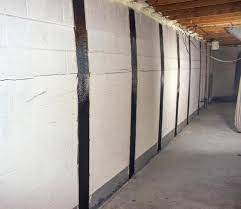
This method is particularly effective for repairing bowed or cracked walls without the need for extensive excavation or rebuilding. Carbon fiber repairs are also aesthetically pleasing since the strips are typically hidden behind drywall or paint.
- Polyurethane Foam Injection
Polyurethane foam injection is a modern alternative to traditional mud jacking. This technique involves injecting a high-density polyurethane foam beneath the foundation, which expands to fill voids and lift the structure. The foam is lightweight, durable, and water-resistant, making it an ideal solution for homes with sinking or settling foundations.
Polyurethane foam injection offers several advantages over traditional methods, including faster curing times and less disruption to the home. It can also be used in a variety of applications, such as stabilizing slabs, repairing cracks, and preventing further settlement.
Waterproofing and Foundation Repair
Water is one of the primary culprits behind foundation damage, so addressing waterproofing issues is a critical aspect of foundation repair. Here are some key waterproofing methods that can complement foundation repairs:
- Exterior waterproofing: This involves applying a waterproof membrane to the exterior foundation walls to prevent water from seeping into the structure. Additionally, exterior drainage systems, such as French drains, can be installed to direct water away from the foundation.
- Interior waterproofing: Interior systems, such as sump pumps and drainage channels, can help manage water that enters the basement or foundation. These systems work in conjunction with exterior waterproofing measures to ensure the foundation remains dry and stable.
- Crawlspace encapsulation: For homes with crawlspaces, encapsulating the area with a vapor barrier can prevent moisture from entering the foundation. This is particularly important in areas with high humidity or water tables.
Preventative Measures for Foundation Stability
Once a foundation has been repaired, it’s essential to take steps to prevent future problems. Regular maintenance and monitoring can help homeowners avoid costly repairs down the line. Some preventative measures include:
- Proper grading: Ensuring that the ground around the home slopes away from the foundation will prevent water from pooling and eroding the soil.
- Regular drainage system inspections: Sump pumps, downspouts, and other drainage systems should be inspected and maintained regularly to ensure they are functioning properly.
- Soil stabilization: In some cases, soil stabilization techniques, such as soil compaction or chemical treatments, can be used to improve the load-bearing capacity of the soil beneath the foundation.
Modern foundation repair techniques offer homeowners the peace of mind that their home is secure and stable for the long term. With advanced materials and technologies like helical piers, carbon fiber reinforcement, and polyurethane foam injection, foundation repair is more effective and less invasive than ever before.
Addressing foundation issues promptly is essential for maintaining the structural integrity of the home and avoiding more extensive damage in the future. Homeowners should work with experienced professionals to assess their foundation’s condition and implement the most appropriate repair solutions. With the right approach, foundation problems can be resolved permanently, ensuring a safe and stable home for years to come.
Contact the Professionals at Aqua Dry Basement Waterproofing Today! (215) 509-5087

20 + years of experience! – It’s hard to find another company like ours. Our team of experts have decades of experience in residential and commercial construction, plumbing, masonry, and carpentry skills. Not just waterproofing …
5 Star Customer Satisfaction Guarantees! – We receive many compliments on our level of professionalism, cutting edge materials, hard working crews, cleanliness, and customer service: which is something hard to find in our industry. Our goal is to exceed your expectations from start to finish! We are here to alleviate your anxiety and will work our hardest to make sure that all of your concerns are achieved 100%.
