
Basements are a crucial part of many homes, providing additional space for storage, living areas, or even mechanical systems. However, they are also highly susceptible to moisture issues. Basement waterproofing is essential for protecting the foundation and structure of a home from water intrusion, mold growth, and potential structural damage. With advancements in materials and methods, homeowners now have a variety of options to ensure their basements remain dry and secure.
The Importance of Basement Waterproofing
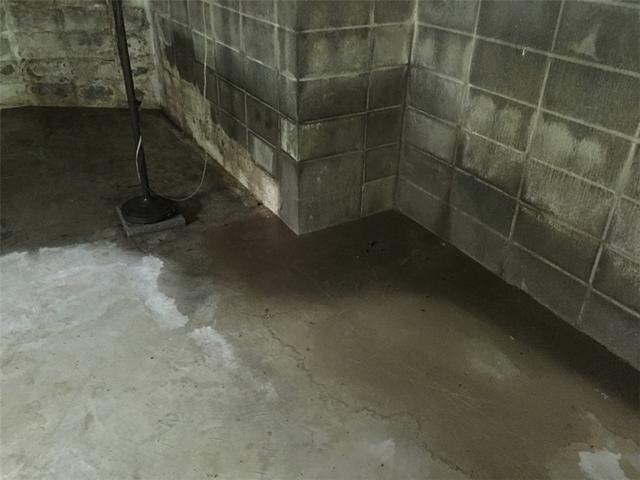
Water intrusion in basements can cause a myriad of issues, from minor dampness to significant flooding. Even a small amount of moisture can lead to mold growth, which negatively impacts indoor air quality and can lead to health issues for occupants. Prolonged exposure to water can also weaken the foundation, causing cracks and compromising the overall stability of the structure.
By waterproofing a basement, homeowners can prevent these issues, safeguarding their investment in the home and ensuring a healthier living environment. Proper waterproofing also adds value to a property, as a dry and protected basement is a major selling point for potential buyers.
Signs of Water Problems in Basements
Before diving into waterproofing methods, it’s important to recognize the signs of water problems in basements. Some of the most common indicators include:
- Damp walls or floors: Even if there is no visible standing water, damp walls and floors are a clear sign that moisture is infiltrating the basement.
- Efflorescence: This is the white, powdery substance that appears on basement walls when water evaporates, leaving behind salt deposits. Efflorescence indicates that water is entering the basement and evaporating into the air.
- Musty odors: A persistent musty smell often points to mold growth or high humidity levels in the basement.
- Cracks in walls or floors: Small cracks can allow water to seep in, and larger cracks may indicate foundation problems that require immediate attention.
- Water stains: Stains on walls or floors are a clear indication that water has been entering the basement, either through leaks or condensation.
Exterior vs. Interior Waterproofing Methods
When it comes to waterproofing a basement, there are two main approaches: exterior waterproofing and interior waterproofing. Each method has its advantages and may be used separately or together, depending on the severity of the water issue.
- Exterior Waterproofing
Exterior waterproofing is often considered the most effective way to prevent water from entering a basement because it addresses the root cause of the problem: water surrounding the foundation. This method involves excavating the soil around the foundation and applying waterproof coatings or membranes to the exterior walls. Key exterior waterproofing methods include:
- Waterproof Membranes: A waterproof membrane, typically made of polymer or rubber, is applied to the foundation’s exterior. This creates a barrier that prevents water from penetrating the foundation walls.
- Drainage Systems: Exterior drainage systems, such as French drains, are installed around the perimeter of the foundation to collect and divert water away from the home. These systems typically consist of perforated pipes buried in a trench filled with gravel, allowing water to flow away from the foundation.
- Soil Grading: Proper grading around the home ensures that water flows away from the foundation rather than pooling near the basement walls. In some cases, regrading the soil around the home can significantly reduce water intrusion.
While exterior waterproofing is highly effective, it is also labor-intensive and can be costly due to the excavation required. However, it provides a long-term solution to water problems and is often recommended for homes with severe water issues.
- Interior Waterproofing
Interior waterproofing methods focus on managing water once it has entered the basement, preventing it from causing further damage. While these methods do not stop water from entering the foundation, they are often more affordable and easier to implement than exterior waterproofing. Common interior waterproofing methods include:
- Interior Drainage Systems: Similar to exterior drainage systems, interior drainage systems collect water that enters the basement and direct it to a sump pump. The water is then pumped out of the basement and away from the foundation. These systems are often installed along the perimeter of the basement floor and are concealed by concrete or flooring.
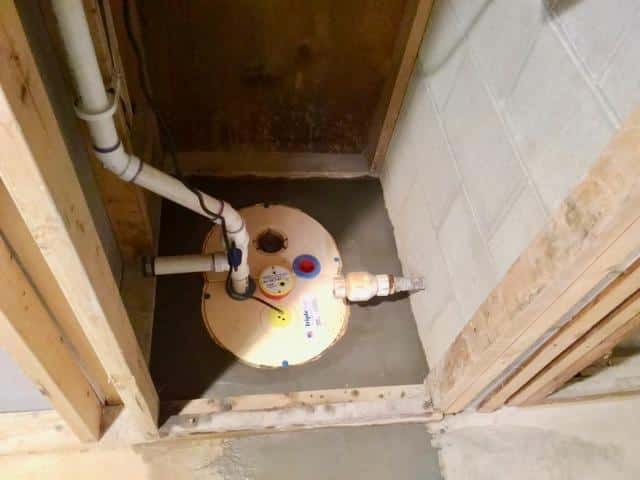
- Sump Pumps: A sump pump is a vital component of an interior waterproofing system. It collects water that enters the basement and pumps it out to a designated drainage area. Modern sump pumps often come with backup battery systems to ensure they function during power outages.
- Waterproof Coatings: Interior waterproof coatings, such as epoxy or cement-based sealers, can be applied to basement walls and floors to create a water-resistant barrier. While these coatings do not prevent water from entering the basement, they can reduce moisture levels and prevent water from seeping through cracks.
Interior waterproofing is typically less invasive and more cost-effective than exterior waterproofing, making it a popular option for homeowners dealing with minor water issues.
Advanced Waterproofing Materials
In recent years, there have been significant advancements in waterproofing materials, making it easier for homeowners to protect their basements effectively. Some of the most innovative materials include:
- Crystalline Waterproofing: Crystalline waterproofing products are applied to concrete surfaces, where they penetrate the material and form insoluble crystals. These crystals fill the concrete’s pores, creating a barrier that prevents water from entering. This method is particularly effective for repairing cracks and preventing water infiltration through concrete walls and floors.
- Polyurethane Injections: Polyurethane foam injections are used to fill cracks in foundation walls and floors. The foam expands to fill the voids, creating a waterproof seal. This method is ideal for sealing small cracks and preventing water from seeping through damaged areas.
- Geotextile Fabrics: These fabrics are used in conjunction with drainage systems to improve the efficiency of water diversion. Geotextile fabrics allow water to pass through while filtering out soil and debris, preventing clogging of the drainage system.
These advanced materials offer long-lasting solutions to basement waterproofing, making it easier to protect homes from water damage.
The Role of Dehumidification in Waterproofing
In addition to traditional waterproofing methods, managing humidity levels in the basement is essential for preventing moisture-related issues. High humidity levels can lead to condensation, which can contribute to mold growth and musty odors. Dehumidifiers are an effective way to control humidity levels in basements and prevent moisture buildup.
Modern dehumidifiers are designed to work efficiently in damp environments and often come equipped with humidity sensors that automatically adjust settings to maintain optimal conditions. Some dehumidifiers are even integrated with smart home systems, allowing homeowners to monitor and control humidity levels remotely.
By combining waterproofing methods with dehumidification, homeowners can ensure that their basements remain dry, healthy, and free from moisture-related issues.
Long-Term Maintenance for Waterproofed Basements
Once a basement has been waterproofed, ongoing maintenance is essential for ensuring the longevity of the waterproofing system. Some key maintenance tasks include:
- Inspecting drainage systems: Both interior and exterior drainage systems should be inspected regularly to ensure they are functioning properly. Any blockages or damage to the system should be addressed promptly to prevent water from accumulating around the foundation.
- Maintaining sump pumps: Sump pumps should be tested periodically to ensure they are working correctly. Homeowners should also check for any debris or blockages that could impair the pump’s performance.
- Sealing cracks: Any new cracks that develop in the basement walls or floors should be sealed immediately to prevent water from entering the basement. Polyurethane injections or epoxy sealers can be used to fill cracks and create a waterproof barrier.
By staying proactive with maintenance, homeowners can avoid costly repairs and ensure that their waterproofing system continues to protect the home for years to come.
Basement waterproofing is a critical step in maintaining the integrity of a home’s foundation and preventing water-related damage. With a combination of exterior and interior waterproofing methods, advanced materials, and proper maintenance, homeowners can protect their basements from moisture and ensure a dry, healthy living space.
Investing in comprehensive waterproofing solutions not only protects the home’s structure but also enhances its value and provides peace of mind. As waterproofing technology continues to advance, homeowners will have even more options for ensuring long-lasting protection for their basements.
Contact the Professionals at Aqua Dry Basement Waterproofing Today! (215) 509-5087

20 + years of experience! – It’s hard to find another company like ours. Our team of experts have decades of experience in residential and commercial construction, plumbing, masonry, and carpentry skills. Not just waterproofing …
5 Star Customer Satisfaction Guarantees! – We receive many compliments on our level of professionalism, cutting edge materials, hard working crews, cleanliness, and customer service: which is something hard to find in our industry. Our goal is to exceed your expectations from start to finish! We are here to alleviate your anxiety and will work our hardest to make sure that all of your concerns are achieved 100%.
