

While the cost-effectiveness of interior waterproofing methods appeals to your budget, their inability to prevent water entry might have you considering the more robust, yet pricier exterior methods. It’s a conundrum many homeowners face: how to balance the need for effective waterproofing with the constraints of their budget and the severity of their basement’s water issues. There are also materials like silicate sealers and waterproofing paints—easy to use, but perhaps not all-encompassing solutions. Weighing the pros and cons, which waterproofing method seems the best fit for you? Let’s dive deeper to help you make that decision.
Understanding Basement Waterproofing
Diving right into the subject, it’s vital to understand what basement waterproofing entails before exploring the various methods available.
It’s a process designed to prevent water from entering your basement. Water can seep into your basement through cracks in the walls, floors, or through joints where the walls and floor meet. Over time, this can lead to major structural damage, mold growth, and a decrease in your property’s value.
There are several methods used to waterproof basements, but they generally fall into two categories: interior and exterior.
Interior methods involve work done inside the basement to prevent water from getting in, while exterior methods involve work done outside the basement to redirect water away.
To better understand these methods, it’s important to know what causes basement water problems in the first place.
Drainage issues, hydrostatic pressure, inadequate sealing, and poor construction can all lead to a wet basement.
It’s in tackling these issues that basement waterproofing methods come into play.
Interior Waterproofing: Pros and Cons
Now let’s consider the pros and cons of interior waterproofing.
On one hand, you’ll find that interior methods can be highly effective at managing water that’s already made its way into your basement.
On the other, there are some potential issues you’ll need to be aware of before committing to this solution.
Interior Waterproofing Benefits
Despite the challenges associated with interior waterproofing, there are significant benefits to contemplate.
To begin with, it’s your most cost-effective option, as it doesn’t require excavation or heavy machinery. This means you’ll save on labor costs, and there won’t be any need to alter your landscape.
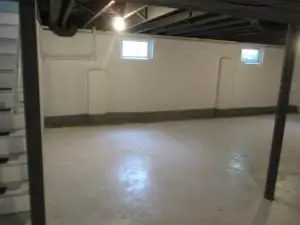
Moreover, interior waterproofing works efficiently to protect your basement from high humidity levels, which can cause mold and mildew. These are potent allergens that can harm your health and degrade your home’s structural integrity. By reducing humidity, you’re safeguarding both your health and your investment.
Another advantage is that interior waterproofing can be done at any time of the year, contrary to exterior waterproofing which is weather-dependent. It’s a solution that provides immediate results and can be completed in a shorter timeframe.
Furthermore, it tackles water seepage at the source, by redirecting the water away from your home. This is done using various methods such as sealants, sump pumps, and interior drainage systems.
Potential Interior Waterproofing Issues
While interior waterproofing offers notable advantages, it’s crucial to recognize potential challenges that may emerge. One of the main issues you might encounter is it doesn’t entirely prevent water from entering your basement. It simply manages the water once it’s inside, which can lead to structural damage over time.
Another downside is it can be quite disruptive to install. The installation process often involves tearing up parts of your basement, which can be a significant inconvenience. Additionally, you’ll need to remove any stored items or furniture in the area, adding to the hassle.
Some interior waterproofing methods can also be relatively expensive, especially if extensive work is required, such as installing a sump pump or interior drain system. Moreover, these complex systems can require ongoing maintenance, which adds to the long-term costs.
Lastly, while interior waterproofing can solve many moisture problems, it’s not always the best solution for severe leaks or flooding. In these situations, you might need to evaluate exterior waterproofing methods, which can be more effective but also more costly.
Exterior Waterproofing: Advantages and Disadvantages
Before delving into the world of interior basement waterproofing, let’s explore the domain of exterior waterproofing. This method involves implementing water prevention measures on the outside of your home, acting as the first line of defense against water intrusion.
One significant advantage of exterior waterproofing is its effectiveness. It’s designed to stop water before it infiltrates your basement walls and floor, keeping your property dry and free from potential water damage.
Plus, it decreases hydrostatic pressure on your basement walls, reducing the risk of structural issues.
However, exterior waterproofing isn’t without its drawbacks. It’s often more costly and labor-intensive than interior methods. You’ll likely need professional help, as this method involves excavating around your home’s foundation.
Depending on the landscape and size of your home, the process can be quite disruptive.
Moreover, while exterior waterproofing is excellent for preventing seepage through walls, it doesn’t address water entering your basement through other means, like plumbing leaks or high humidity levels.
Silicate-Based Concrete Sealers: Pros and Cons
Now, let’s consider silicate-based concrete sealers for your basement waterproofing needs.
Think about their effectiveness, the process of installation and maintenance, and the cost implications.
It’s essential to weigh these factors to determine if this method is the perfect fit for your basement.
Effectiveness of Silicate Sealers
Turning your attention to silicate sealers, it’s essential to understand their key features and performance characteristics. Silicate sealers, also known as densifiers, are typically used for sealing concrete and masonry surfaces. They work by penetrating the surface and reacting chemically with the calcium hydroxide present in the concrete. This reaction produces a hard, crystalline structure within the pores, effectively sealing them off.
The effectiveness of silicate sealers is significant. They create a highly durable and resistant surface that can withstand wear and tear, making them ideal for high-traffic areas. Additionally, they’re resistant to UV rays and won’t peel or flake over time, ensuring a long-lasting seal.
However, it’s crucial to recognize that while silicate sealers are an excellent choice for sealing concrete, they’re not without their drawbacks. Their penetration level varies depending on the porosity of the concrete, which means they may not perform as effectively on very porous or damaged surfaces.
They also aren’t effective against hydrostatic pressure, which can lead to water seepage in basements.
Installation and Maintenance
Although silicate-based concrete sealers offer numerous benefits, it’s important to understand the installation process and maintenance requirements to fully leverage their advantages.
The installation process begins with ensuring the concrete is clean and dry. You’ll need to apply the sealer evenly across the surface, usually with a sprayer, and allow it to penetrate the concrete. As silicate sealers chemically react with the concrete, the surface must be free of previous sealants or coatings.
Once applied, it’s imperative to let the sealer dry thoroughly.
Maintenance for silicate-based sealers is generally minimal, but it’s not entirely hands-off. These sealers form a permanent bond with the concrete, so reapplication isn’t usually necessary. However, regular checks are crucial to identify any areas where the sealer may not have adhered correctly.
Early detection of issues can prevent more significant problems down the line.
While these sealers provide durable, long-lasting protection, they may not be suitable for basements with pre-existing conditions, like severe cracks or damage. In addition, they mightn’t fully waterproof the concrete but instead make it water-resistant.
Hence, they may not be the best choice for areas with heavy water exposure.
Cost Implications
Understanding the costs associated with silicate-based concrete sealers is an important step in your basement waterproofing process. The upfront cost of these sealers is higher compared to other waterproofing methods, but they provide a more durable and long-term solution.
Generally, silicate sealers range from $40 to $100 per gallon, depending on the brand and the concentration. Besides, you’ll need to factor in the cost of application tools like rollers or sprayers.
If you’re not comfortable doing it yourself, professional installation can set you back anywhere from $2 to $7 per square foot.
However, it’s not all about the initial outlay. Consider the long-term savings, too. Silicate sealers require little to no maintenance once applied.
They chemically react with the concrete to form a water-resistant barrier that won’t peel or wear off. This means you won’t be shelling out on regular maintenance or reapplications, unlike some other waterproofing methods.
Waterproofing Paint: Benefits and Drawbacks
Waterproofing paint, a go-to solution for many homeowners, offers several advantages but also brings some drawbacks to the table.
It’s highly accessible, affordable, and easy to apply. You can pick it up at any local hardware store and apply it yourself, saving on labor costs. Often, it provides an effective barrier against minor dampness and condensation, enhancing the lifespan of your basement walls.
However, you should be aware of its limitations. Waterproofing paint is a surface-level solution that doesn’t address the root cause of water intrusion. If your basement has serious issues like deep-seated leaks or cracks, this paint won’t be enough.
It’s not designed to withstand high levels of hydrostatic pressure from the outside, and can peel or blister over time if the underlying issue isn’t addressed.
Additionally, its effectiveness can be compromised by poor application. If you don’t properly clean and prepare the surface, or if you fail to apply enough coats, the paint may not provide the protection you’re expecting.
Plastic Sheets and Panels: Positives and Negatives
Many homeowners opt for plastic sheets and panels as a viable solution to waterproof their basements. This method is relatively easy to install and typically costs less than other waterproofing methods.
Plastic sheets and panels serve as a physical barrier, preventing moisture from reaching the interior of your basement. They’re particularly effective in new construction where they can be installed during the foundation phase.
However, they’re not without drawbacks. Plastic sheets and panels aren’t always the best choice for existing basements. It’s often challenging to install them in already finished basements without considerable effort and disruption.
They’re also not a permanent solution. Over time, plastic can degrade, becoming brittle and less effective at keeping water out.
If your basement has existing water problems, you’ll need to address those first before installing plastic sheets or panels. These barriers won’t fix existing issues; they simply prevent new moisture from coming in.
Fundamentally, they’re a band-aid solution, not a cure. Ultimately, they’re a good temporary measure or suitable for new constructions, but for a lasting solution, you might need to evaluate other methods.
Crack Injections: Advantages and Disadvantages
In the domain of basement waterproofing, crack injections hold a prominent place, offering a solution that’s both effective and convenient. You’ll find these injections particularly useful for sealing cracks in your basement walls, floors, and around windows and doors.
They’re usually carried out using epoxy or polyurethane resins, which expand into the gaps, providing a waterproof seal.
There are, of course, several advantages to this method. First, it’s a cost-effective solution, especially compared to the complete replacement of the wall or floor. Next, it’s a non-invasive procedure, meaning there’s minimal disruption to your home.
You’ll also appreciate the speed of the process, as it’s typically completed in a day or two.
However, there are also disadvantages to bear in mind. While crack injections are effective, they’re not a permanent solution. Over time, the injected material can wear out and cracks may reappear.
This method also doesn’t address the root cause of the cracks, only treating the symptoms. Ultimately, it’s best to remember that not all cracks are suitable for this treatment, particularly larger ones.
Consequently, it’s important that you consult a professional before opting for this method.
Sump Pump Installation: Pros and Cons
While you might find the idea of installing a sump pump in your basement somewhat intimidating, it’s an effective method for managing excess water and preventing the associated damage.
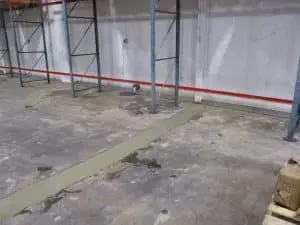
Sump pumps work by collecting water that seeps into your basement and expelling it outside, away from your home’s foundation. This keeps your basement dry and mitigates the risks of mold and mildew growth, and structural issues caused by water damage.
However, sump pump installation isn’t without its drawbacks. The process can be quite invasive, requiring a significant amount of excavation in your basement floor. This can be time-consuming and disruptive.
Additionally, sump pumps are dependent on electricity, so in the event of a power outage, they become ineffective unless you have a battery backup system in place.
Choosing the Right Method for Your Basement
There’s a wide array of basement waterproofing methods to choose from, and the best one for your home largely depends on your specific situation.
You’ve got to take into account the type of basement you’ve got, the severity of the water issues, and the budget you’re working with.
If you’re dealing with occasional dampness, a dehumidifier or water sealer might do the trick. For minor leaks, crack injections could be your best bet.
However, if you’re noticing major flooding, you’ll likely need to take into account more substantial methods like interior water drainage or a sump pump system.
It’s also important to evaluate the root cause of your water problem. If it’s due to improper grading or lack of gutters, exterior waterproofing could solve your issues.
However, if the water’s coming from inside, interior methods will be more effective.
Before deciding, it’s always a good idea to consult with a professional. They can provide an accurate assessment and help you choose the right solution.
Conclusion
Choosing the right waterproofing solution is like selecting ingredients for a recipe. The right combination depends on the unique needs of your basement. Perhaps interior solutions are your cup of tea, or maybe an exterior approach suits your taste. Remember, while silicate sealers and waterproofing paint are like adding salt and pepper, they may not fix the main course. So, consider your ‘recipe’, your budget, and the severity of your water issues before deciding on the perfect basement waterproofing ‘dish’.

20 + years of experience! – It’s hard to find another company like ours. Our team of experts have decades of experience in residential and commercial construction, plumbing, masonry, and carpentry skills. Not just waterproofing …
5 Star Customer Satisfaction Guarantees! – We receive many compliments on our level of professionalism, cutting edge materials, hard working crews, cleanliness, and customer service: which is something hard to find in our industry. Our goal is to exceed your expectations from start to finish! We are here to alleviate your anxiety and will work our hardest to make sure that all of your concerns are achieved 100%.