

As a homeowner, you’re no stranger to unexpected expenses, and foundation repair can be one of the most substantial. Costs can range from a few hundred to tens of thousands of dollars, depending on the severity of the damage and the repair method chosen. It’s essential to understand what influences these costs, from geographical location to professional evaluation fees and specific techniques like piering or slabjacking. You might be wondering, how can you navigate this complex situation without breaking the bank? Let’s explore this further, shall we?
Understanding Foundation Damage
Cracks creeping across your walls may signal deeper issues – you could be dealing with foundation damage. This isn’t merely an aesthetic problem; it’s a structural concern that can compromise the safety and value of your home.
The severity and extent of foundation damage can vary, but understanding its underlying causes and potential implications is vital to managing it effectively.
The root cause of foundation damage often traces back to the soil. Your home’s foundation rests upon the soil, and its stability depends on the soil’s consistency. Expansive clay soils, for instance, swell when wet and shrink when dry, leading to movement that can damage your foundation.
Other factors include improper drainage, tree roots encroaching on the foundation, or ground that wasn’t adequately compacted before construction.
Foundation damage can manifest in various ways. Besides visible wall cracks, you might notice misaligned doors and windows, uneven floors, or gaps between the wall and the ceiling or floor.
If you spot these signs, remember: they’re symptoms of a deeper issue that demands attention. Ignoring foundation damage isn’t just postponing a repair – it’s gambling with your home’s structural integrity.
Signs Your Foundation Needs Repair
Understanding when your foundation needs repair is essential to prevent further damage and avoid costly repairs.
Key signs to look for include structural damage like cracks or uneven floors, soil-related problems such as poor drainage, and the impact of weather conditions on your foundation.
Recognizing Structural Damage
Spotting the signs of structural damage in your home’s foundation can often be a tricky task. However, by vigilantly surveying your property and being aware of some telltale signs, you can safeguard your home from escalating damage.
Firstly, doors and windows that are hard to open or close can indicate foundation issues. This is due to larger shifts in your home’s structure, which can cause frames to warp or change shape.
In addition, cracks appearing in walls, floors, and especially around doorways and windows, can be a clear sign of foundation distress.
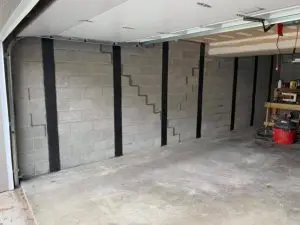
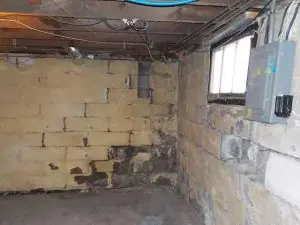
Monitor your basement carefully as well. Bulging or bowing walls can be a significant indicator of foundation trouble. If you’re noticing a damp basement or pooling water, those could also be symptoms of foundational issues, though they might also be related to other plumbing concerns.
Lastly, pay attention to the exterior of your home. Look for stair-step cracks in bricks or blocks, and horizontal cracks in concrete walls. These can be critical signs of structural damage.
Recognizing these signs early can save you from unanticipated repair costs and preserve the longevity of your home’s foundation.
Soil-Related Foundation Problems
While keeping an eye out for signs of structural damage is essential, it’s also important to understand the role that soil plays in the health of your foundation.
Different soil types can greatly impact your foundation’s stability. For instance, clay soils expand when wet and contract when dry, causing movement that can lead to foundation problems. Sandy soils, on the other hand, drain water well but can shift and settle over time, potentially causing uneven foundation support.
You should be wary of signs that indicate soil-related issues. For example, doors and windows that stick or don’t open and close properly, cracks in walls or floors, and uneven or sagging floors can all be symptoms of a soil-related foundation problem.
If you’re noticing these issues, it’s likely time for a professional assessment.
Weather Impact on Foundations
Just as soil conditions can greatly impact your foundation, weather also plays a significant role, particularly in regions with extreme temperature fluctuations or high precipitation levels.
When it gets exceptionally hot or cold, the ground around your home expands and contracts. This movement can exert pressure on your foundation, causing cracks to form or existing cracks to widen. You’ll often notice these signs during the shift between seasons. It’s vital to keep an eye out for them, as they can lead to more significant foundation issues if left unaddressed.
High precipitation levels, on the other hand, can lead to soil oversaturation. When the ground becomes too wet, it can lose its stability, causing your foundation to sink or shift.
In contrast, a lack of precipitation can lead to soil shrinkage, which can create gaps between the ground and your foundation. These situations can compromise the structural integrity of your home.
Knowing how weather impacts your foundation is important. It allows you to identify potential problems early on and seek professional help before the situation worsens, potentially saving you thousands in repair costs.
Types of Foundation Repair Methods
In the domain of foundation repair, understanding the various methods available can help you make the best decision for your property.
Let’s explore some common methods employed by professionals.
Piering, for instance, is a popular foundation repair method. It involves driving steel pipe pilings into the ground to support and lift the foundation. If your home’s foundation is sinking or unstable, piering could be an ideal solution.
It’s a durable, long-term fix, but it may also be more costly and time-consuming than other methods.
Another method is slabjacking, which involves pumping a grout mixture into the ground beneath a slab foundation to lift it back into place.
It’s a quicker, less invasive method than piering, and it’s often less expensive. However, it mightn’t be as durable or suitable for all soil conditions.
Finally, there’s sealant repair, which can address minor cracks or leaks in your foundation.
It’s the most affordable method, but it’s generally a temporary fix and won’t address underlying structural issues.
Each method has its pros and cons, so it’s important to consult with a professional in order to choose the right solution for your particular situation.
Factors Influencing Repair Costs
Now that you’ve gained an understanding of the various foundation repair methods, it’s necessary to address the financial aspect of these projects. Numerous factors can influence the final cost, and it’s essential to be aware of these as you plan your home improvements.
Firstly, the extent of the damage plays a significant role. Minor cracks or settling might only require simple fixes, costing less. However, serious structural issues will need more intensive repairs, raising the cost.
Another factor is the repair method chosen. As you’ve learned, some methods are more complex and pricey than others.
Geographical location also impacts the repair cost. Labor and material costs can vary dramatically from region to region. For example, if your house is in an area with high labor rates or where specific materials are scarce, expect to pay more.
Lastly, don’t forget about the cost of professional evaluations. Engineers or structural experts may need to assess the damage, and their services aren’t free.
Average Costs for Foundation Repair
On average, homeowners spend anywhere from $2,000 to $7,000 on foundation repair. This range might seem broad, but it’s due to the variety of potential issues and the severity of the damage. The costs can vary considerably depending on your home’s specific needs.
Minor repairs such as fixing small cracks may cost as little as $500. However, if you’re dealing with substantial issues like major structural problems, you could be looking at bills exceeding $10,000.
Keep in mind, these are just averages. The actual cost will depend on several factors, including the size of your home, the extent of the damage, and the method of repair used.
It’s essential to get multiple quotes from different contractors to guarantee you’re getting a fair price. Be wary of prices that seem too good to be true, they often are.
You don’t want to skimp on foundation repair as it’s a key component in maintaining your home’s structural integrity.
Financing Your Foundation Repair
Facing the reality of foundation repair costs can be intimidating, but there are financing options available to help ease the burden. You’ve got more choices than you might think. From traditional loans to home equity lines of credit (HELOCs), these options can help spread the cost over time, making it more manageable.
First, consider a personal loan. With good credit, you can secure a loan at a reasonable interest rate. This is a solid option if you’ve got excellent credit, but be wary of high rates if your credit is less than stellar.
Second, a HELOC might be a good fit. This allows you to borrow against the equity in your home at a lower interest rate than most credit cards. But remember, your house is on the line if you can’t make the repayments.
Finally, some foundation repair companies offer financing options. These can be convenient, but compare the terms carefully against other options. Interest rates are often higher, but the convenience could be worth it.
When financing your foundation repairs, always compare options and choose what’s best for your financial situation. You don’t need to shoulder the cost all at once.
Choosing a Foundation Repair Contractor
While financing is a key piece of the puzzle, it’s equally important to contemplate who’ll be responsible for the repairs. Choosing a foundation repair contractor isn’t a decision to be taken lightly. You must guarantee you’re selecting a professional who’s not only qualified but also reliable, competent, and experienced.
First and foremost, scrutinize their qualifications and credentials. Are they licensed? Insured? Do they belong to any professional associations?
In addition, look into their reputation. Check reviews and testimonials, and ask for references. You’ll want a contractor who’s respected and trusted in your community.
Thirdly, consider their experience. How long have they been in business? Have they handled projects similar to yours? This can be a crucial determinant of their ability to deliver quality work.
Lastly, don’t overlook the importance of communication. You need a contractor who’ll keep you updated throughout the repair process, addressing any queries or concerns promptly and effectively.
Preventive Measures to Avoid Damage
As you consider foundation repair costs, it’s equally vital to focus on preventive measures to avoid potential damage.
Regular maintenance practices aren’t just beneficial, they’re essential to preserving the integrity of your foundation.
Regular Maintenance Practices
The integrity of your home rests heavily on the condition of its foundation. Regular maintenance practices are key in preserving this condition. It’s not about waiting for cracks to show before you take action; it’s about proactive steps to guarantee they don’t appear in the first place.
Water is your foundation’s biggest enemy. Keep gutters clean and guarantee downspouts are redirecting rainwater at least five feet away from your home. Working sump pumps and proper grading that slopes away from your home also prevents water accumulation.
Inspect your home’s perimeter regularly. Look out for standing water, soil erosion or shifting, and cracks in the exterior walls or foundation. Document any changes, as they could signal potential problems.
Take care of your home’s interior as well. Keep an eye on doors and windows; difficulty in closing them could mean foundation issues. Also, monitor the state of your interior walls and floors. Cracks, bowing, or unevenness might be indicative of foundation troubles.
In the end, your home’s longevity isn’t just about the build quality, but also how well you maintain it. Regular check-ups and preventive measures can save you from hefty foundation repair costs in the future.
Identifying Potential Risks
Despite your best efforts in regular maintenance, some potential risks to your home’s foundation might still slip through. These risks aren’t always visible to the naked eye, but their effects can be devastating. It’s vital to learn how to identify these potential threats before they cause significant damage.
One key risk is water. Excessive moisture can cause soil expansion, leading to foundation upheaval. Make sure your property has good drainage and consider installing a sump pump if necessary.
Structural overloading, another common risk, can result from adding weight to your home, like constructing a second story. It’s important to get professional advice before taking on such projects.
Tree roots may also pose a risk. They can reach your home’s foundation, causing cracks and displacements. If you’ve trees nearby, consider hiring an arborist to evaluate potential threats.
Frequently Asked Questions
Are Foundation Repairs Covered by Homeowners Insurance?
Typically, homeowners insurance doesn’t cover foundation repairs. It’s considered regular maintenance. Damage caused by floods or earthquakes may be covered if you’ve specific policies for these. Always check your policy’s fine print for clarity.
How Long Does a Typical Foundation Repair Take to Complete?
In a heartbeat, you’ll wonder, “How long does foundation repair take?” Typically, it’s a week to ten days. However, complex issues can stretch it to several weeks. It’s essential to get a professional assessment first.
Does Foundation Repair Increase Home Value?
Yes, foundation repair can increase your home’s value. It’s an essential investment that not only fixes structural issues but also boosts market appeal. Buyers often appreciate homes that’ve had these significant repairs, reflecting in a higher sale price.
Is It Safe to Live in the House During Foundation Repair Work?
Yes, it’s generally safe to live in your house during foundation repair work. However, you’ll experience noise and disruption. If that’s a concern, consider alternative accommodation during the most invasive parts of the repair process.
What Are the Potential Health Risks Associated With Neglected Foundation Damage?
Neglected foundation damage can expose you to health risks. You’re potentially facing mold growth, poor air quality, and structural instability. It’s essential to address issues promptly to maintain both your home’s safety and your health.
Conclusion
Like a ship captain keeping a vigilant lookout for leaks, you must protect your home’s foundation. Signs of structural issues are the icebergs in your sea voyage. Steering through repair costs, methods, and contractors may seem intimidating, but understanding these factors puts you at the helm. Remember, prevention is your compass, guiding you away from potential damage. Stay the course, and you’ll guarantee your home remains a sturdy, safe haven amid life’s turbulent waters.

20 + years of experience! – It’s hard to find another company like ours. Our team of experts have decades of experience in residential and commercial construction, plumbing, masonry, and carpentry skills. Not just waterproofing …
5 Star Customer Satisfaction Guarantees! – We receive many compliments on our level of professionalism, cutting edge materials, hard working crews, cleanliness, and customer service: which is something hard to find in our industry. Our goal is to exceed your expectations from start to finish! We are here to alleviate your anxiety and will work our hardest to make sure that all of your concerns are achieved 100%.