
You’re considering waterproofing your basement, aren’t you? It’s a smart move, but with so many methods out there, it can feel overwhelming to choose the best one. From interior options like sump pumps and sealants to exterior solutions such as French drains and gutter systems, each technique offers its own set of benefits. But how do you know which will offer the greatest protection for your home, enhancing both structural integrity and property value? Let’s dissect the strengths and weaknesses of these techniques, and help you make an informed decision.
Understanding Basement Water Issues
In the face of constant weather changes, your basement can often be a battleground for moisture and water issues. These problems can stem from numerous sources, and it’s essential to understand them in order to effectively fight back.
Firstly, let’s explore the issue of condensation. If your basement is damp, it mightn’t be due to leaks but rather condensation. When warm air collides with your basement’s cool walls, it can create moisture. Over time, this can lead to mold and mildew, damaging your property.
Next, consider runoff. If rainwater or melted snow isn’t directed away from your house, it can seep into your basement. Lack of proper gutters or downspouts, as well as a poorly graded yard, can exacerbate this issue.
Lastly, there’s groundwater swelling. During periods of heavy or persistent rain, the soil around your house can become saturated, creating pressure that pushes water into your basement. It’s a tricky problem, and one that’s often overlooked.
Understanding these water issues can be the first step in protecting your basement and home. With this knowledge, you’re better equipped to tackle these problems head-on.
Importance of Basement Waterproofing
Basement waterproofing should never be overlooked. It’s not just about preventing water seepage; it’s about preserving your home’s value and your peace of mind.
Imagine enduring the frustration of a flooded basement or dealing with persistent mold and mildew. That’s the reality when waterproofing is ignored.
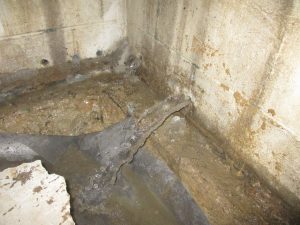
Waterproofing protects your basement against moisture infiltration, which can lead to serious issues like structural instability. Moisture can warp and damage the wooden components of your home, jeopardizing its structural integrity.
You don’t want to bear the high costs of such extensive repairs.
Your basement can also become a breeding ground for mold and mildew when it’s not properly waterproofed. These fungi can cause health problems, especially for those with allergies or respiratory issues.
You don’t want your home to become a health hazard.
Moreover, a properly waterproofed basement adds value to your property. Potential buyers will appreciate the fact that they won’t have to worry about water-related problems in the future.
They’re likely to pay more for a home with a waterproofed basement.
In short, basement waterproofing isn’t a luxury—it’s a necessity. Don’t neglect it; invest in it for the sake of your home’s longevity, value, and your family’s health.
Interior Waterproofing Techniques
Diving into the domain of interior waterproofing, you’ll find various techniques at your disposal. The most common method, interior water drainage, isn’t technically a waterproofing method, but it’s often used to control basement water levels. It involves installing a drainage system to channel water that seeps into your basement out and away from your home.
Sealants are another popular choice for interior waterproofing. They can be applied to both walls and floors to create a waterproof barrier. However, they’re not the most durable solution and may not stand up to serious water issues.
For persistent or significant water problems, you’ll want to evaluate interior wall and floor sealers. These products can be applied directly to your basement’s concrete to seal out excess moisture. They’re particularly effective against condensation and humidity.
Lastly, there’s the option of a sump pump. This mechanical device collects water in a pit and pumps it out of your basement. It’s a more drastic measure, but it can be a lifesaver in areas prone to flooding.
Exterior Waterproofing Methods
Shifting your focus to the outside, exterior waterproofing methods play a pivotal role in keeping basements dry.
You’ll find that these methods are typically more complex and costly than interior methods, but they’re often more effective at preventing water intrusion.
First off, there’s excavation waterproofing, which involves digging around the home’s foundation to apply a waterproof coating or membrane.
It’s a labor-intensive process, but it’s highly effective at preventing water from seeping into your basement.
Another popular method is installing a French drain system.
This involves digging a trench around your home, lining it with gravel, and placing a perforated pipe that directs water away from your foundation.
It’s a great solution if you’re dealing with surface water problems.
Then there’s the sump pump system, which is installed in the lowest part of your basement to collect water and pump it away from your home.
It’s especially useful in areas prone to heavy rainfall or flooding.
Lastly, you’ve got gutter systems.
Sealants and Coatings for Basements
When it comes to safeguarding your basement from moisture and water damage, sealants and coatings emerge as two of the most effective tools in your arsenal.
You can apply these products to both the interior and exterior surfaces of your basement walls. They form a barrier, blocking water penetration by filling in pores and cracks. Sealants are typically clear and can penetrate deeper into the surface, creating a tight bond that helps keep water out.
Coatings, on the other hand, are often thicker, creating a waterproof surface layer. There’s a wide variety of sealants and coatings available, each with their own strengths.
Silicone sealants are a popular choice due to their flexibility and durability. They’re resistant to weather, temperature, and UV rays, which means they’ll last longer.
For coatings, you might consider a cementitious coating. It’s easy to apply and provides a firm, waterproof layer.
Installation of Drainage Systems
After you’ve sealed and coated your basement walls, it’s time to contemplate the installation of a drainage system. This critical step guarantees water won’t pool inside your basement, potentially damaging your home’s foundation.
An effective drainage system is the backbone of any basement waterproofing strategy.
You’ve got two main options for drainage: interior and exterior.
Interior systems, often called ‘French drains’, are installed beneath your basement floor, near the foundation. These systems collect water that seeps in and promptly direct it to a sump pump, which pumps the water out and away from your home.
On the other hand, exterior drainage systems, also known as ‘footing drains’, are placed around the outside of your home’s foundation. They catch water before it can penetrate your basement and direct it away from your home.
Both systems have their advantages, but the best choice depends on your specific situation.
Consider factors like your home’s age, soil type, and the local climate. If you’re unsure, don’t be afraid to reach out to a professional for advice.
Professional Waterproofing Services
Tackling basement waterproofing tasks can feel like a challenging endeavor. You’re not alone. Professional waterproofing services are available to relieve you of the stress and provide you with an expert solution.
These specialists possess the necessary tools, skills, and knowledge to effectively waterproof your basement. They’re familiar with a myriad of techniques that are proven to work and can recommend the best approach based on your specific situation.
They’ll assess your basement, identify the source of the water problem, and implement a tailored solution. You’ll be part of the process, being informed about every step they’re taking.
Using a professional service also saves time. You won’t have to balance the task with your daily responsibilities or worry about the project dragging on. Furthermore, they’re equipped to handle unexpected issues that might arise during the process, giving you peace of mind.
While hiring professionals may seem costly initially, it’s a worthy investment. The cost of repairing damages from water intrusion can far exceed the cost of professional waterproofing.
Maintaining a Dry Basement
It’s essential to keep your basement dry even after professional waterproofing. Moisture can still creep in through cracks and crevices or due to poor ventilation.
Remember, a damp basement can lead to mold, mildew, and structural damage, all of which can affect your property’s value and your family’s health.
You’ve got to be proactive. Regular inspections are a must. Look for signs of water damage, such as discoloration, peeling paint, or a musty smell. Pay close attention to walls and floors, especially after heavy rains.
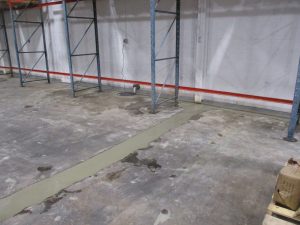
Good ventilation is key. Open windows and use dehumidifiers to reduce humidity levels. It’s also a good idea to insulate pipes to prevent condensation.
Don’t overlook the role of gutters and downspouts. Keep them clean and make sure they direct water away from your home’s foundation. Additionally, consider landscaping methods that encourage water flow away from your house.
Lastly, keep your basement well-organized. Clutter can trap moisture and worsen dampness.
A dry basement isn’t just a one-time task. It requires ongoing vigilance. But with these measures in place, you’ll be well on your way to maintaining a dry, safe basement in the long run.
Choosing the Right Waterproofing Solution
Selecting the appropriate waterproofing solution for your basement is a decision that shouldn’t be taken lightly.
It’s vital to assess the specific needs of your basement first. For example, if your basement is prone to flooding, you’ll need a more thorough solution, such as an interior water drainage system. If you’re dealing with high humidity levels, a dehumidifier might be the most effective method.
There are numerous waterproofing products available, and it’s important to understand what each one offers.
Sealants, for instance, are great for addressing minor leaks, but they’re not designed to handle major water intrusion. Waterproofing paints can create a moisture barrier, but they won’t solve structural issues.
Engage a professional to conduct a thorough analysis of your basement.
They’ll identify the source of the water problems and recommend the best solution. Remember, the cheapest option isn’t always the best.
You’re investing in your home’s longevity, so it’s worth paying a bit more for a solution that’ll last. In the long run, choosing the right waterproofing solution can save you from costly repairs and give you peace of mind.
In protecting your home, understanding and addressing basement water issues is essential. You’ve learned the importance of interior and exterior waterproofing, the use of sealants, installation of drainage systems, and the role of professional services. Keep your basement dry, maintain your home’s value and structural integrity. Remember, choosing the right solution is vital. When you understand, address, and maintain, you’re not just waterproofing your basement – you’re safeguarding your investment.

20 + years of experience! – It’s hard to find another company like ours. Our team of experts have decades of experience in residential and commercial construction, plumbing, masonry, and carpentry skills. Not just waterproofing …
5 Star Customer Satisfaction Guarantees! – We receive many compliments on our level of professionalism, cutting edge materials, hard working crews, cleanliness, and customer service: which is something hard to find in our industry. Our goal is to exceed your expectations from start to finish! We are here to alleviate your anxiety and will work our hardest to make sure that all of your concerns are achieved 100%.
