

You’ve put a lot of energy into creating a comfortable home, but have you considered the potential damage lurking in your basement due to water intrusion? It’s not just about minor leaks; unchecked moisture can lead to severe structural issues, mold, and mildew. Our extensive guide outlines how to recognize signs of moisture, understand common leak causes, and choose the right waterproofing strategies. While it may seem like a challenging task, you’ll find that with the right knowledge and tools, you can effectively safeguard your basement for the long haul. Ready to learn more?
Understanding Basement Waterproofing
Steering through the world of basement waterproofing can seem intimidating, but it doesn’t have to be. As a homeowner, understanding the basics can save you time, money, and potential headaches in the future.
Basement waterproofing is fundamentally a process that aims to prevent water from entering your basement. It’s vital for maintaining the integrity of your home’s foundation. Unwanted moisture can lead to mildew, mold, and structural damage, which can be costly to repair and pose health risks.
There are various methods of waterproofing, each with its own merits and drawbacks. Interior waterproofing, often the most cost-effective, involves applying sealants and installing drain systems inside the basement.
Exterior waterproofing, though more expensive, tackles the problem at its source: the outside walls.
It’s also important to take into account factors such as your home’s age, local climate, and soil type. These can influence the type of waterproofing that’s best for your basement.
Remember, waterproofing isn’t a one-time job. Regular maintenance checks are necessary to guarantee that your system is working effectively.
In the end, a dry basement isn’t just about comfort—it’s about preserving your home’s value and safety.
Signs You Need Waterproofing
Spotting the signs that your basement needs waterproofing is essential to prevent minor issues from becoming major problems.
Don’t ignore these warning signs, as they’re often indicative of underlying issues that require immediate attention.
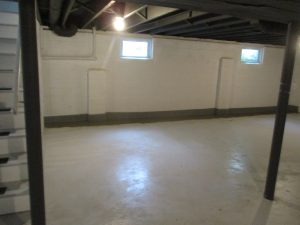
Firstly, look for water pooling on your basement floor. This is an obvious sign that water is finding a way into your basement, but it’s not the only sign you should be aware of.
Musty or damp odors can also indicate that there’s excess moisture, even if you can’t see it. If your basement smells musty, it’s likely that water is seeping in somewhere.
Secondly, pay attention to the humidity. High humidity levels can lead to mold and mildew growth, which can cause health problems. If your basement feels damp and humid, you may need waterproofing.
Also, check the walls and floors for cracks. While not all cracks allow water in, they can be a pathway for moisture if not addressed.
Finally, efflorescence, a white, powdery substance that forms on walls when water evaporates, can also point to water leakage.
Knowing these signs, you’ll be better equipped to keep your basement dry and prevent significant damage.
Common Causes of Basement Leaks
Understanding the signs of a leaking basement is your first line of defense. But knowing what’s causing those leaks is equally important. Let’s uncover the common culprits.
First, you’ve got foundation cracks. Water pressure can cause your basement walls to crack, allowing water to seep in. These cracks can be tiny but they’re no less troublesome.
Next, we’ve window wells. If they’re improperly installed or your basement windows aren’t sealed correctly, these can also lead to leaks.
Then there’s faulty plumbing. Old pipes, poor connections, or even your water heater can spring leaks that trickle down into your basement.
Now, consider your gutters and downspouts. If they’re not directing rainwater away from your home, it can pool around your foundation, seeping into your basement.
Lastly, there’s the issue with improper grading. If the ground slopes towards your home instead of away, water can accumulate and seep into your basement.
These are common causes, but each basement is unique. You might encounter other sources of leaks. The key is staying vigilant, spotting the signs early, and addressing them promptly.
In the next section, we’ll discuss the best ways to waterproof your basement.
Choosing the Right Waterproofing Method
Selecting the right waterproofing method for your basement is a critical step in addressing those troublesome leaks.
You’ll need to weigh the pros and cons between membrane and sealant techniques, taking into account your specific situation and needs.
Don’t forget to reflect on cost-effectiveness while making your decision, as a range of solutions exist to fit varying budgets.
Evaluating Waterproofing Techniques
When it comes to waterproofing your basement, there’s a myriad of techniques available, each with its own set of advantages and drawbacks.
It’s essential to evaluate these methods carefully before making a decision.
The first step in the evaluation process is understanding your basement’s specific needs. What works for one basement may not work for another due to varying factors such as soil type, climate, and existing foundation conditions.
Next, consider the following:
- Cost-effectiveness: This involves evaluating the long-term benefits versus the initial cost. Some methods may be cheap initially but require more maintenance down the line.
- Durability: How long will the waterproofing solution last? You don’t want to invest in a method that will fail in a few years.
- Ease of installation: Some methods are labor-intensive, requiring professional help, while others you can handle yourself.
Lastly, consider the environmental impact. Some waterproofing techniques may use harmful substances that could harm the environment.
Membrane Vs. Sealant Methods
Now that you’re armed with an understanding of what your basement needs and what to look for in a waterproofing method, let’s evaluate the options between membrane and sealant methods.
Both have their strengths and weaknesses, and the right choice depends on your specific situation.
Let’s start with membrane methods. These involve applying a waterproof layer, often a sheet of rubberized asphalt or polyethylene, to your basement’s walls and floors.
Membranes offer a robust barrier against water ingress, making them ideal for basements that suffer from heavy or consistent dampness. They’re also resistant to external pressures such as soil shifts and settling, which can lead to cracks and leaks over time.
However, membranes can be more labor-intensive to install and may require professional assistance.
On the other hand, sealant methods utilize a waterproof coating or sealant, applied directly to your basement’s interior surfaces.
Sealants are typically easier to apply and can be a more affordable option. They’re effective against minor dampness and condensation but mightn’t stand up to heavier water intrusion.
Ultimately, you’ll need to assess your basement’s specific needs, conditions, and your comfort with DIY projects when choosing between membrane and sealant methods.
Cost-Effective Waterproofing Solutions
Although it might seem intimidating, finding a cost-effective waterproofing solution that suits your needs doesn’t have to be a complicated process.
With a bit of research and planning, you can find a method that fits your budget and provides long-term protection for your basement.
Consider these cost-effective waterproofing solutions:
- Interior Water Drainage: This is an inexpensive method that helps combat water seepage. It includes installing a drainage system inside your basement to divert the water away from your home.
- Concrete Waterproofing Coatings: These are thick cement-like products that adhere to concrete walls and can effectively block out water. They’re relatively cheap and easy to apply.
- Silicone-Based Sealants: While slightly more expensive, these do a great job of repelling water. They penetrate the concrete and form a protective barrier.
Each method has its pros and cons, so it’s crucial to understand what’s best for your situation.
You’ll want to take into account factors like your local climate, the severity of the water problem, and the age and condition of your basement.
DIY Vs Professional Waterproofing Services
You’re now facing the decision: should you tackle basement waterproofing yourself or hire a professional?
As you weigh up the pros and cons of DIY, consider the time, skills, and equipment needed.
And when evaluating professional services, it’s essential to assess their experience, reputation, and cost-effectiveness.
Pros and Cons: DIY
Tackling basement waterproofing on your own can offer a sense of accomplishment, but it’s important to evaluate the pros and cons carefully.
On the plus side, doing it yourself allows you to save money as you’re only spending on materials, not labor. You can also work at your own pace and schedule, adding flexibility to the process.
However, there are potential downsides to take into account:
- Lack of Professional Expertise: You may not have the experience or knowledge to tackle all potential problems. Incorrect application can lead to wasted materials and future damage.
- Time Investment: Waterproofing a basement is a significant project that can take a lot of time, especially if you’re learning as you go.
- Potential for Errors: Without professional guidance, you may overlook vital steps or make mistakes that could lead to further issues down the line.
Ultimately, it’s a balancing act between cost, time, and quality.
Evaluating Professional Services
On the other hand, if the DIY approach to basement waterproofing seems intimidating or unfeasible, it might be worthwhile to contemplate hiring professional services.
These experts have years of experience, specialized tools, and a keen understanding of the nuances involved in waterproofing basements. They’re adept at identifying potential issues, such as leaks or cracks that you might overlook, which could lead to serious water damage in the long run.
When evaluating these services, pay special attention to their credentials. They must be licensed and insured, ensuring that you’re not liable for any mishaps during the process.
Also, it’s a good idea to check out their past work. Reviews and testimonials from previous clients can offer valuable insight into their quality of service and customer satisfaction.
However, remember that professional services come with a price. These costs can vary depending on the complexity of the job and the reputation of the company.
Essential Waterproofing Materials
Often, the success of your basement waterproofing project hinges on the quality of materials used.
Don’t fall into the trap of thinking all waterproofing materials are created equal. They’re not, and the right ones can make a world of difference.
To help you navigate this vital choice, here are three essential waterproofing materials you’ll need:
- Waterproofing Primer: This is your first line of defense. It’s applied directly to the basement walls to create a seal that prevents water absorption. It also provides a smooth surface for the waterproofing paint.
- Waterproofing Paint: This is a thicker, more durable version of regular paint. It’s designed to resist water penetration, keeping your basement dry even in wet conditions.
- Drainage Mat: This is a critical component for any basement waterproofing project. It’s installed on the exterior of your basement walls to direct water away from your foundation.
Step-by-Step Waterproofing Process
Starting on the journey of waterproofing your basement may seem intimidating, but with the right steps and materials, it’s a task you can handle.
First, you’ll need to thoroughly clean and dry the area. Use a broom and dustpan to sweep away any debris, then let the area air dry or use a fan to speed up the process.
Once the area is clean and dry, you’ll need to apply a primer. This helps the waterproofing material adhere better to the surface. Apply it evenly using a roller or brush, then let it dry completely.
Next, start applying the waterproofing material. Use a roller or brush to apply it evenly. Pay special attention to cracks and crevices, ensuring they’re adequately filled.
Let the first coat dry, then apply a second one for added protection.
Finally, check your work. Look for any missed spots or thin areas and touch them up as needed. Remember, waterproofing is about creating a barrier that water can’t penetrate, so you’ll want to be thorough.
With patience and attention to detail, you’ll be able to effectively waterproof your basement and protect it from potential water damage.
Maintaining Your Waterproofed Basement
With the hard work of waterproofing your basement behind you, it’s vital to turn your attention towards maintaining your newly protected space.
Regular upkeep will guarantee the longevity of your waterproofing efforts and prevent any future issues.
To start, it’s important to keep an eye on your basement, especially during periods of heavy rain or snow. This will help you spot any potential leaks early on before they can cause significant damage.
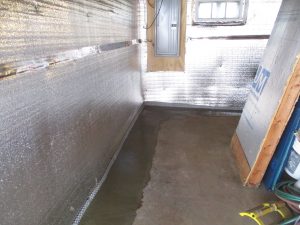
Don’t overlook areas such as the walls, floors, and even the ceiling.
Next, make sure to check and clean your gutters and downspouts regularly. Clogged gutters can lead to water spilling over and seeping into your basement, effectively undoing your hard work.
Finally, consider these maintenance tips:
- Regularly inspect your sump pump to verify it’s functioning correctly. If it’s not, you could end up with a flooded basement.
- Ventilate your basement to prevent humidity build-up, which could lead to mold and mildew growth.
- Keep the soil around your home’s foundation sloping away to prevent water from pooling and seeping into your basement.
Mistakes to Avoid in Basement Waterproofing
In the quest for a dry and healthy basement, it’s easy to fall into a trap of common mistakes. You might believe that a quick fix is all you need, but this approach can lead to significant problems down the line.
Avoid using interior sealants as your primary waterproofing method. Sure, they’re a quick fix to a leak, but they don’t address the root cause of water seeping in. Over-reliance on these can lead to complacency and mask more serious foundation issues.
Another mistake is neglecting your gutters and downspouts. They’re key to directing rainwater away from your home’s foundation. If they’re clogged or improperly installed, water can pool around your home and seep into your basement.
You may think that waterproofing is a one-and-done deal, but it’s not. Regular maintenance and inspections are critical to guaranteeing your basement remains dry.
Also, avoid falling for the DIY trap. Waterproofing your basement is complex and requires expertise. If you’re not sure, call in a professional. This way, you won’t risk causing more damage, and you’ll guarantee the job gets done right. Trust me, you’ll thank yourself in the long run.
Protecting your basement from water damage is essential. Spot early signs, understand leak causes, and choose the right method for waterproofing. The choice between DIY and professional services depends on your skills and budget. Using quality materials and following a thorough process can save you from potential damages. Remember, it’s not a one-time task – maintenance is key. Avoid common mistakes and you’re set for a dry, safe basement for many years. Protect your home, protect your peace of mind.

20 + years of experience! – It’s hard to find another company like ours. Our team of experts have decades of experience in residential and commercial construction, plumbing, masonry, and carpentry skills. Not just waterproofing …
5 Star Customer Satisfaction Guarantees! – We receive many compliments on our level of professionalism, cutting edge materials, hard working crews, cleanliness, and customer service: which is something hard to find in our industry. Our goal is to exceed your expectations from start to finish! We are here to alleviate your anxiety and will work our hardest to make sure that all of your concerns are achieved 100%.
