

You’ve probably been there: a musty smell hits your nose as you step into your basement. It’s more than just a nuisance, it’s a sign of lurking moisture. Wall discoloration, visible damp spots, peeling paint and surface condensation are all early warnings. Catching these signs on time can save you a lot of headache and expense in the long run. But what does unchecked basement moisture really mean for your home’s structure and air quality? Well, you might be surprised.
Understanding Basement Moisture
Uncover the mysteries of basement moisture and grasp its implications for your home. Basement moisture is a common issue that homeowners often overlook. It’s not just an inconvenience, but a vital issue that can lead to serious problems if not addressed promptly.
First, you must understand what causes basement moisture. The primary culprit is water seepage, which occurs when groundwater infiltrates your basement through cracks in the walls or floor. This commonly happens during heavy rainfalls or rapid snowmelts.
Another major cause is condensation, which arises when humid air comes into contact with cooler basement surfaces, causing water droplets to form.
It’s also important to recognize the implications of prolonged basement moisture. It can compromise your home’s structural integrity, causing wood rot and concrete erosion.
It increases the risk of mold and mildew growth, potentially leading to health issues like allergies and respiratory problems. It can also damage stored items and finishings in the basement, leading to costly repairs and replacements.
Understanding these complexities allows you to take appropriate actions to prevent or mitigate basement moisture, safeguarding your home and health.
Common Signs of Dampness
You’ll often notice a musty odor as a first indicator of dampness in your basement. This scent is a clear sign of moisture, often caused by mold or mildew growth in damp conditions.
Another common sign you should be aware of is wall discoloration, which generally appears as damp spots or streaks on your basement walls.
Detecting Musty Odors
Do you often find yourself noticing a peculiar, musty smell in your basement? That’s not just a sign of a poorly ventilated space; it’s likely an indicator of increased moisture levels. This odor is caused by the growth of mold and mildew due to damp conditions.
To detect these musty odors, you’ll need to rely heavily on your sense of smell. It’s often described as a stale, damp, or moldy scent, reminiscent of wet newspaper or old books. If you’ve been frequently spending time in your basement, you might’ve grown accustomed to this smell, making it harder to detect.
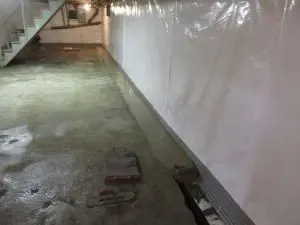
To overcome this, try leaving your basement for a few hours and then re-enter. The contrast should make the musty smell more noticeable.
It’s important to act promptly when you detect these odors. Prolonged exposure to mold and mildew can lead to health issues such as allergic reactions and respiratory problems.
Furthermore, the presence of these organisms suggests a conducive environment for structural damage to your basement. Hence, detecting and addressing musty odors is a critical step in maintaining a healthy, safe, and structurally sound basement.
Spotting Wall Discoloration
Ever spotted unusual stains or discoloration on your basement walls? If you have, it’s a telltale sign of moisture seeping into your home’s structure. It’s essential to address these signs promptly, as untreated moisture can lead to significant structural damage.
Wall discoloration typically manifests as yellowish or brownish streaks or patches. This occurs when water infiltrates the wall material, causing it to darken or change color. The severity of the discoloration often correlates with the extent of the moisture issue. In severe cases, you may even see green or black patches, indicating mold growth.
Pay close attention to the location of these stains. They can hint at the source of the moisture intrusion. For instance, stains near windows or pipes may suggest a leak, while discoloration at the base of the wall may indicate rising damp.
If you spot wall discoloration, it’s time to act. Investigate further for other dampness signs like a musty smell or damp spots.
In some cases, you might’ve to hire a professional to assess the situation and propose a suitable solution. Ignoring these signals can lead to more serious issues, including structural instability and health hazards.
Unseen Effects of Moisture
Basement’s hidden dampness can cause a multitude of unseen problems.
You may not realize it, but moisture is more than a mere annoyance—it’s a hidden enemy causing unseen damage.
Below are four key effects of moisture that often go unnoticed:
- Structural Degradation: Moisture can slowly degrade the structural integrity of your home by weakening the basement walls and foundations.
This can cause severe, costly issues down the line, such as wall buckling or floor sinking.
- Energy Efficiency Reduction: Moist air requires more energy to heat or cool than dry air.
Consequently, a damp basement can increase your energy costs considerably.
- Air Quality Deterioration: Excessive moisture can lead to poor air quality.
This is due to increased humidity levels, which can exacerbate allergies and cause other health issues.
- Damage to Stored Items: If you’re using your basement for storage, moisture can damage your belongings.
This includes everything from furniture and electronics to clothing and photographs.
Mold: A Silent Invader
You’ve understood the unseen effects of moisture; now let’s tackle the silent invader – Mold.
Knowing how to identify its presence is essential as it poses significant health risks.
Additionally, mastering mold prevention strategies is important to maintain a safe and healthy basement environment.
Identifying Mold Presence
When we talk about mold, it’s often regarded as a silent invader creeping into your basement without any evident warning.
This stealthy intruder can thrive in dark, damp environments, making your basement a perfect breeding ground.
But how can you identify its presence before it’s too late?
- Smell: Mold has a distinctive, musty odor. If you notice an unusual smell in your basement, don’t ignore it.
- Visual Inspection: Mold can appear as black, white, green, or even orange spots on surfaces. It often looks like a rough patch or a discoloration.
- Water Leaks or Condensation: If there’s a presence of unexplained moisture, water rings, or condensation, it’s a strong indicator for mold growth.
- Wall and Floor Damage: Peeling paint, warped walls, or buckled floors are often signs of moisture damage, which can lead to mold.
Health Risks Involved
Recognizing the presence of mold in your basement is only half the battle; understanding the implications on health is equally important. As a silent invader, mold brings with it serious health risks, particularly for individuals with existing respiratory conditions, allergies, or a weakened immune system.
Mold produces microscopic spores that become airborne, infiltrating the air you breathe. Prolonged exposure can result in allergic reactions, triggering symptoms like sneezing, runny nose, red eyes, and skin rash. Asthma sufferers may experience more frequent and severe attacks.
More concerning are the toxic molds, such as Stachybotrys chartarum, often dubbed “black mold”. Exposure to this can lead to more serious conditions like chronic lung illnesses or infections. Symptoms may include persistent coughing, headaches, fever, and difficulty breathing.
In addition to respiratory issues, mold exposure can also affect cognitive functions. Some individuals report difficulties with concentration, memory loss, dizziness, and in severe cases, anxiety and depression.
It’s vital to remember that not everyone will experience the same symptoms or severity, but that doesn’t lessen the risk. Mold exposure is a serious health concern, emphasizing the importance of early detection and prompt action.
Mold Prevention Strategies
In the fight against mold, prevention is often the most effective strategy.
It’s essential to understand and implement mold prevention strategies, as mold can pose serious health risks while also damaging your home’s structural integrity.
To prevent mold growth, consider the following steps:
- Maintain proper ventilation: Confirm your basement has adequate ventilation to avoid condensation buildup, which fuels mold growth. Use dehumidifiers or fans as needed.
- Inspect for leaks: Regularly check your basement for leaks or seepage. Repair any leaks you find promptly to prevent moisture accumulation.
- Control humidity levels: Aim to keep your basement’s humidity level below 50% to create an environment less conducive to mold growth.
- Clean and dry thoroughly after flooding: If your basement floods, clean and dry the area completely within 24-48 hours to prevent mold spores from proliferating.
Prevention Techniques for Basements
Moisture problems in your basement can lead to extensive damage if left unchecked.
It’s essential to understand and implement prevention techniques to keep your basement dry and healthy. Let’s explore the primary preventive measures.
Firstly, proper grading is key.
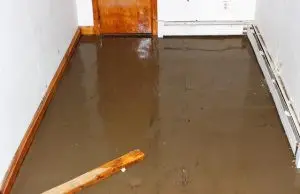
Make sure the earth surrounding your home slopes away from your foundation. This simple measure directs rainwater away, reducing the risk of it seeping into your basement.
Secondly, consider installing a sump pump.
This device collects excess water from your basement and pumps it away from your home. It’s a powerful tool, particularly in areas prone to heavy rainfall or snowmelt.
Thirdly, don’t neglect your home’s gutters and downspouts.
They’re designed to transport rainwater away from your home. Keep them clean and clear of debris and make sure they direct water at least six feet away from your foundation.
Lastly, it’s worth investing in a dehumidifier.
Basements tend to be damp due to their underground location. A dehumidifier helps maintain ideal humidity levels, preventing the growth of mold and mildew.
Professional Solutions for Moisture Control
While you can certainly take several steps to manage moisture levels in your basement, sometimes the situation may warrant professional intervention.
That’s where a basement moisture control service comes in. They’ve the expertise and tools to eradicate your moisture problems, guaranteeing your basement remains dry and safe.
Here’s a rundown of how they do it:
- Inspection: They’ll first perform a thorough inspection of your basement to identify the source of the moisture.
- Diagnosis: After identifying the source, they’ll diagnose the problem and create a custom plan to fix it.
- Implementation: They’ll then put the plan into action, using equipment like dehumidifiers, sump pumps, and sealants to control the moisture.
- Follow-up: After the work is done, they’ll monitor your basement to guarantee the moisture problem doesn’t return.
So, you’ve learned the ins and outs of spotting basement moisture early. It’s clear that musty smells, discolored walls, and damp spots shouldn’t be ignored. Don’t overlook peeling paint or condensation, either. Remember, early detection is key in preventing major damage and protecting your indoor air quality. By regularly inspecting and knowing these signs, you’ll keep your basement dry and healthy. For thorough moisture control, consider professional solutions. Stay vigilant, and you’ll ward off the silent invader: mold.

20 + years of experience! – It’s hard to find another company like ours. Our team of experts have decades of experience in residential and commercial construction, plumbing, masonry, and carpentry skills. Not just waterproofing …
5 Star Customer Satisfaction Guarantees! – We receive many compliments on our level of professionalism, cutting edge materials, hard working crews, cleanliness, and customer service: which is something hard to find in our industry. Our goal is to exceed your expectations from start to finish! We are here to alleviate your anxiety and will work our hardest to make sure that all of your concerns are achieved 100%.