

Is it true that your basement leaks are more than just a minor inconvenience? They could be creating an ideal breeding ground for harmful mold. As a homeowner, you’ve probably experienced the frustration that comes from persistent moisture problems. But, here’s the thing: waterproofing might just be the smart, long-term solution you’re looking for. It’s not just about keeping your basement dry, it’s also about preserving your home’s structural integrity and protecting your health. Intriguing, isn’t it? Imagine the peace of mind knowing your home is secure against mold-related health risks. Why not explore this further?
Key Takeaways
- Waterproofing prevents water intrusion, a main cause of basement leaks, and subsequent mold growth.
- Basement leaks can indicate foundation issues, which professional waterproofing can effectively address.
- Waterproofing reduces health risks associated with mold exposure, such as allergies and respiratory problems.
- Poor drainage, a common contributor to basement leaks, can be rectified through a professional waterproofing process.
- Regular maintenance of waterproofing systems can detect early signs of moisture or mold, preventing major issues.
Understanding Basement Leaks
Let’s dive right into understanding basement leaks. You see, a basement leak isn’t just an inconvenient puddle you have to clean up. It’s a sign that your home’s foundation is being compromised.
When water seeps into your basement, it’s because there’s a pressure imbalance. Rainwater or melted snow, saturated in the soil outside, exert pressure on your basement walls and floor. In response, the lower pressure inside your basement pulls in the water through cracks or gaps, resulting in leaks.
Understanding the cause of these leaks is a crucial first step. It’s not just about patching up a leak when you see one; it’s about identifying the underlying problem.
Is the leak due to poor drainage or is it a cracked foundation? Maybe it’s a combination of both? Once you’ve pinpointed the root cause, you can start to fix it effectively.
The Health Risks of Mold
It’s essential to understand that mold poses serious health risks.
If you’re exposed to it for prolonged periods, it can lead to respiratory issues, allergies, and in severe cases, neurological problems.
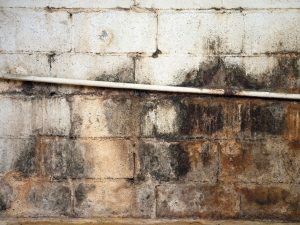
You can prevent these health complications by taking appropriate measures to keep your basement free of mold.
Mold’s Impact on Health
Breathe in deeply and you might be inhaling more than just air. Your home, particularly your basement, could be a breeding ground for mold spores. These tiny invaders can wreak havoc on your health, often without your knowledge.
Prolonged exposure to mold can lead to a variety of health issues. You may experience allergic reactions like sneezing, runny nose, red eyes, and skin rash. These symptoms are your body’s way of telling you something’s wrong.
However, mold doesn’t stop at causing allergies. It’s more insidious than that. In some cases, mold can lead to more serious respiratory problems. For those with asthma, mold exposure can exacerbate the condition causing more frequent and severe attacks.
Even if you don’t have pre-existing respiratory conditions, exposure to mold can lead to developing chronic respiratory issues.
Lastly, let’s talk about toxic mold, specifically black mold. While not common, when present, it can produce toxins that can lead to severe health problems like memory loss, insomnia, anxiety, and even depression.
The health implications of mold are extensive and serious. It’s not just about a musty smell or unsightly stains. It’s about protecting your health.
Preventing Mold-Related Illnesses
Understanding the health risks of mold is just the first step. It’s equally important to be proactive in preventing mold-related illnesses. You can do this by ensuring that your basement is properly waterproofed. By doing so, you’re eliminating the environment mold needs to thrive.
Let’s put this into perspective with a simple table:
| Action | Result | Impact on Health |
|---|---|---|
| Waterproof basement | Reduces dampness | Lowers risk of mold growth |
| Regularly inspect for leaks | Prevents unnoticed water accumulation | Reduces chance of mold-related illnesses |
| Good ventilation | Less condensation | Decreases mold spores in the air |
| Quick repair of leaks | Stops water intrusion | Minimizes potential for mold development |
| Proper insulation | Prevents cold surfaces where condensation forms | Decreases mold occurrences |
Causes of Basement Moisture
Before you can effectively waterproof your basement, it’s crucial to understand what’s causing the moisture in the first place.
Common moisture sources, the impact of climate conditions, and the role of poor drainage are all key factors that can contribute to a damp basement.
Identifying Common Moisture Sources
Although it may seem like a challenging task, identifying common moisture sources in your basement is the first step towards a dry, mold-free environment. These sources are not always conspicuous, and you’re likely to overlook them if you’re not deliberate in your inspection. Let’s look at possible culprits.
Condensation is one common source of moisture. It occurs when warm, moist air comes in contact with your cooler basement walls and floors. Poor ventilation can also create a humid environment conducive to condensation.
Leaks in your walls, floors, or around windows and doors can also cause moisture problems. These leaks may be due to cracks or gaps in your foundation or around your windows and doors.
Groundwater can also seep into your basement if your home is poorly graded or if your home’s foundation drainage system is insufficient.
| Potential Moisture Source | What to Look For |
|---|---|
| Condensation | Wet spots, musty odors |
| Leaks | Wet or damp areas, especially after rain |
| Groundwater | Dampness near floor, especially after rain |
Impact of Climate Conditions
Climate conditions in your area can greatly influence the moisture levels in your basement. If you’re living in a region with high humidity, your basement may be more prone to dampness. This dampness can then provide the ideal environment for mold growth.
Rainfall and snowfall also play significant roles. Heavy rain can saturate the ground surrounding your home, increasing hydrostatic pressure and causing water to seep into your basement. Snowfall, while appearing less threatening, can be equally problematic. As snow melts, it can lead to a similar increase in ground saturation, potentially resulting in a damp basement.
Temperature fluctuations can also contribute to basement moisture. Cold weather can cause pipes to freeze and burst, leading to water leaks. On the other hand, warm weather can cause condensation, as humid air comes into contact with the cooler basement surfaces.
It’s essential to understand these climate influences to effectively manage basement moisture. By monitoring your local weather patterns and understanding how they can impact your basement’s moisture levels, you’re better equipped to take preventative measures.
Role of Poor Drainage
You mightn’t realize it, but poor drainage plays a significant role in causing basement moisture. When water can’t drain away properly, it accumulates around your home’s foundation, creating pressure that can lead to leaks and dampness in your basement. This is especially problematic in areas with heavy rainfall or melting snow.
It’s not only visible water pools you need to worry about. Over time, even minor drainage issues can result in significant moisture buildup. This is because water tends to seep into the smallest cracks and spaces, slowly but surely worsening the state of your basement.
Inadequate slope away from your home can contribute to poor drainage. If the ground slopes towards your home, water naturally follows, accumulating against your foundation.
Similarly, clogged or poorly positioned gutters can cause water to overflow and pool near your home, exacerbating the moisture problem.
Poor soil composition can also hinder proper drainage. If your soil is heavy clay or compacted, it doesn’t absorb water well, leading to runoff and pooling.
Therefore, addressing drainage issues is a key step in preventing basement moisture and the resultant mold. Opting for professional waterproofing is a smart, proactive solution to tackle this issue head-on.
Waterproofing: The Effective Solution
While basement leaks and mold might’ve you worried, waterproofing stands as an effective solution to tackle these issues head-on. It’s a method that not only prevents water infiltration but also reduces the risks of mold growth, property damage, and health hazards.
Waterproofing is fundamentally creating an impervious barrier over surfaces of foundations, roofs, walls, and other structural members to prevent water penetrations. This barrier doesn’t allow water to seep through, thereby protecting the integrity of your building. It’s a smart, long-term investment that saves you from costly repairs and replacements in the future.
Moreover, waterproofing enhances the value of your property. Potential buyers often prefer properties with a waterproofed basement, considering it a sign of a well-maintained home. In addition, it makes your basement a usable space, potentially increasing your home’s total living area.
Furthermore, waterproofing provides a healthier living environment. It mitigates the risk of mold and mildew, which can cause various health issues such as allergies and respiratory problems.
In a nutshell, waterproofing your basement can alleviate your worries about leaks and mold, and bring you peace of mind. It’s more than just a solution; it’s a smart preventative measure that offers multiple benefits.
Don’t let your basement problems escalate. Invest in waterproofing today.
Steps in the Waterproofing Process
Before delving into the specifics, it’s vital to grasp the overall process of waterproofing. This isn’t a quick, do-it-yourself weekend project. It’s a detailed procedure that requires professional expertise and the right tools.
First, an inspection is needed to identify the sources of leaks and moisture. This detailed assessment will determine the type and extent of waterproofing required. Each basement is unique, and so your waterproofing solution should be too.
Next, preparation begins. This may involve clearing the basement, sealing cracks, and installing drains. It’s important to make sure that water flows away from your home, not into it.
Then, the actual waterproofing occurs. Waterproofing methods vary, but can include applying sealants or installing a waterproof membrane. This step creates a barrier that prevents water from entering your basement.
Maintenance After Waterproofing
After investing in a professional waterproofing system for your basement, proper maintenance is vital to its longevity and effectiveness.
You’ve taken a significant step in protecting your home from water damage, mold, and the associated health risks. Now, it’s time to guarantee that this investment continues to pay off in the years to come.
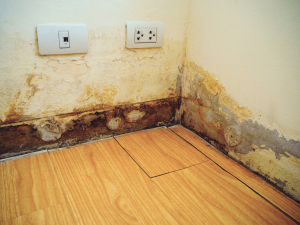
Regular inspections are essential. You should check your basement for any signs of moisture or mold growth. Even the smallest leak can become a major issue if left unchecked.
Here are some key maintenance tasks to keep in mind:
- Regularly inspect and clean your gutters and downspouts. They play an integral role in directing water away from your home.
- Check your sump pump often, particularly during rainy seasons, to make sure it’s working effectively.
- Keep an eye out for any cracks or damage in your basement walls or floor.
- Control the humidity level in your basement. High humidity can undermine the effectiveness of your waterproofing system.
Frequently Asked Questions
What Is the Average Cost of Basement Waterproofing?
You’re asking about basement waterproofing costs. They can vary widely, but on average, you’re looking at around $3,000 to $5,000. However, factors such as your location and basement size can greatly impact this.
How Long Does the Waterproofing Process Typically Take?
You’re likely looking at a timeframe of 1-2 days for the average basement waterproofing job. However, it’s essential to remember that factors such as the size of your basement can greatly alter this estimate.
Are There Any DIY Waterproofing Solutions for Small Leaks?
Sure, there’re DIY solutions for small leaks. You can use waterproofing paint or sealant. However, it’s important to remember these are temporary fixes. For a long-term solution, professional waterproofing is the smart choice.
How Can I Identify Early Signs of Mold in My Basement?
Look for discoloration or fuzzy growth on walls and ceilings. You’ll also spot mold by a musty smell. It’s not always visible, so if you’re frequently sneezing, it might be a hidden mold problem.
Does Home Insurance Typically Cover Basement Leaks and Mold Damage?
Typically, your home insurance won’t cover damage from basement leaks and mold. It’s seen as a maintenance issue. However, certain policies may offer coverage. Check your policy or consult with your insurance provider to be sure.
Don’t let your basement become a time machine, transporting you back to the damp, mold-ridden Middle Ages. Waterproofing is your knight in shining armor, defending your home from leaks and mold. It’s an investment in your property and health, ensuring a comfortable, moisture-free environment. Remember, preventing basement leaks isn’t just smart, it’s essential. So, stay ahead of the times by maintaining your castle with professional waterproofing.

20 + years of experience! – It’s hard to find another company like ours. Our team of experts have decades of experience in residential and commercial construction, plumbing, masonry, and carpentry skills. Not just waterproofing …
5 Star Customer Satisfaction Guarantees! – We receive many compliments on our level of professionalism, cutting edge materials, hard working crews, cleanliness, and customer service: which is something hard to find in our industry. Our goal is to exceed your expectations from start to finish! We are here to alleviate your anxiety and will work our hardest to make sure that all of your concerns are achieved 100%.
