

Considering waterproofing your basement? You’re probably toying with the idea of going it alone or hiring a professional. Sure, DIY seems budget-friendly and gives you full control, but what if you miss a spot or don’t apply the sealant correctly? On the flip side, professional services might be a bit pricey but they offer expert solutions and peace of mind. It’s quite a conundrum, isn’t it? Stay tuned to explore the pros, cons, costs, and safety considerations of both options – we’ll help you make the right decision for your home.
Key Takeaways
- DIY waterproofing can be cost-effective but may lead to improper application and long-term issues if not done correctly.
- Professional waterproofing offers advanced techniques, industry-grade equipment, and the ability to address hidden water damage issues.
- Safety measures, including protective equipment and proper chemical handling, are crucial in both DIY and professional waterproofing projects.
- The severity of moisture issues in the basement should dictate whether to opt for DIY or professional waterproofing.
- While DIY can save money, professional services often offer long-term solutions and are backed by warranties, minimizing future risks.
Understanding Basement Waterproofing
Diving right into the topic, understanding basement waterproofing is pivotal for homeowners. It’s your first line of defense against pervasive moisture that can cause structural damage, mold growth, and a host of other issues.
In essence, this process involves methods and techniques to prevent water from penetrating your house’s basement.
There are various waterproofing methods available, each with its unique advantages.
Interior waterproofing, often referred to as water control, doesn’t stop the water from entering your basement; instead, it manages the water once it’s inside. This method involves the use of sealants, which are applied to the walls and floor to keep moisture at bay.
On the other hand, exterior waterproofing, also known as damp proofing, prevents water from ever making contact with your basement walls. This technique often involves the application of a waterproof coating or membrane to the exterior wall surfaces and installing a drainage system.
Lastly, there’s drainage methods. This technique involves the installation of drains to redirect water away from the basement.
In your quest for moisture control, understanding these methods helps you make an informed decision that best suits your home’s needs.
DIY Waterproofing: Pros and Cons
Now, let’s turn our attention to DIY waterproofing.
You’ll find that there are both advantages and disadvantages to taking this approach.
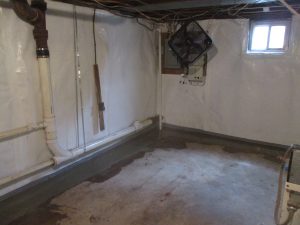
We’ll carefully weigh the pros and cons to help you make an informed decision.
Understanding DIY Waterproofing
Venturing into DIY basement waterproofing can be a cost-effective method, but it’s important to understand the benefits and potential drawbacks.
One of the key elements of DIY waterproofing is learning about different waterproofing techniques. You’ll need to understand how to apply sealants, install a sump pump, and create a drainage system. These techniques vary in complexity and effectiveness, so it’s crucial to choose the one that best suits your basement’s condition and your skill set.
Material selection also plays a big role in DIY waterproofing. It’s not just about choosing the most affordable option; you need to consider the durability and quality of the materials.
Waterproof paint, for example, is a popular choice due to its simplicity and affordability. However, it may not be able to withstand high levels of moisture over time.
On the other hand, installing a vapor barrier may be more time-consuming and expensive, but it offers a more reliable solution.
Advantages of DIY Approach
As you consider the various aspects of DIY basement waterproofing, it’s worth noting that this approach carries several advantages worth your consideration.
First and foremost, one of the main attractions of the DIY approach is the potential for significant cost savings. By taking on the project yourself, you’re cutting out the labor costs that come with hiring a professional. This can make a substantial difference to the overall cost of the project, especially if you’re working with a tight budget.
Another advantage is the opportunity for skill assessment and development. Tackling a DIY project such as this allows you to put your practical skills to the test. It’s a chance to learn new techniques, understand the workings of your home better, and take pride in your handiwork.
Furthermore, successfully completing the project can also provide a confidence boost and may inspire you to take on more DIY projects in the future.
Lastly, when you do the work yourself, there’s a sense of control and assurance. You know exactly what materials are being used, and the quality of work is in your hands. This can bring peace of mind that’s hard to measure.
Pitfalls of DIY Waterproofing
While the benefits of DIY waterproofing are certainly appealing, it’s also important to consider the potential pitfalls that can come with such a project.
One of the common mistakes made during DIY waterproofing is the improper application of sealants. This can lead to inadequate protection, resulting in water seeping into your basement and causing structural damage.
Another critical aspect to consider is the long-term effects of DIY waterproofing. The lack of professional expertise might lead to the use of inferior materials or incorrect application methods, which can have severe implications over time.
These can include recurring leaks, mold growth, and even foundation damage.
To avoid these pitfalls, it’s essential to:
- Understand the scope of the task. Waterproofing a basement is a complex job that requires specific skills and tools.
- Get the right materials. Cheap or wrong materials can lead to ineffective waterproofing.
- Learn the correct application methods. Improper application can result in leaks and costly repairs.
Professional Waterproofing: Advantages and Challenges
Without a doubt, professional waterproofing offers several compelling benefits for your basement. Experts leverage advanced techniques to provide a comprehensive solution that DIY efforts can’t match. Their in-depth knowledge and experience allow them to identify and address hidden issues, ensuring optimal performance and long-term benefits for your property.
Professionals not only apply specialized materials but also utilize industry-grade equipment, which contributes to the longevity and durability of the waterproofing job. They’re trained to deal with different types of basements and varying levels of water damage, making sure that all areas are properly treated.
However, there are challenges with professional waterproofing too. One significant concern is finding a trustworthy and competent contractor, as not all service providers deliver on their promises. You’ll need to research, ask for references, and check reviews to ensure you’re hiring a reputable professional.
Another challenge is the potential disturbance during the waterproofing process. Professionals might need to excavate around your property, leading to noise and disruption. You’ll need to plan for this and make necessary arrangements.
Cost Comparison: DIY vs. Professional
When it comes to the cost comparison between DIY and professional basement waterproofing, a few factors come into play. A detailed cost analysis will help you understand the financial implications of both options, keeping your budget considerations in mind.
For DIY, you need to consider:
- Materials: You’ll need to purchase all necessary materials yourself, which can add up depending on the size of your basement and the severity of the water issue.
- Time: Your time is valuable, and DIY projects often take longer than anticipated.
- Tools: Depending on the waterproofing method, you might need to invest in or rent specific tools to get the job done.
On the other hand, hiring a professional can seem costlier upfront. However, the price usually covers everything, including labor, materials, and any necessary tools.
Plus, professionals often provide warranties for their work, offering you peace of mind.
In the end, your choice between DIY and professional waterproofing will largely depend on your budget, your willingness to invest time and effort, and your comfort level with home improvement tasks.
Make sure to weigh the pros and cons carefully before making your final decision.
Safety Factors to Consider
As you move into the process of waterproofing your basement, it’s essential to prioritize safety.
You’ll need to identify any potential hazards, equip yourself with the appropriate safety gear, and understand how to handle any chemicals safely.
These precautions will help ensure a successful and safe waterproofing project.
Identifying Potential Hazards
Before diving into your basement waterproofing project, it’s crucial to identify and assess potential hazards. This isn’t just a matter of safety; it’s about ensuring your hard work won’t be undone by unforeseen problems.
Mold growth can be one of the most dangerous hazards. High humidity levels in basements provide the perfect environment for mold, which can cause health issues. You should check for signs of mold before starting your project.
Another common problem is water damage. This isn’t just about water stains or dampness; it can lead to more serious issues like foundation problems. Look for signs of water damage such as peeling paint or warped walls.
Other factors to consider include:
- Drainage problems: Poor drainage can cause soil erosion, threatening the structural integrity of your home.
- Pest infestations: Basements can attract pests like insects and rodents, which can damage your property and pose health risks.
- Foundation issues: Cracks or other damage to your foundation can lead to serious structural problems.
In short, it’s not enough to just waterproof your basement; you also need to address any underlying issues that could undermine your work.
Appropriate Safety Equipment
Your safety should be your top priority when embarking on a basement waterproofing project. A comprehensive hazard assessment is crucial to determining the appropriate safety gear and personal protection required.
Protective clothing is a must, shielding you from potential accidents and injuries. This includes safety goggles, gloves, and sturdy shoes that can handle potentially slippery surfaces.
Respiratory equipment is equally vital, particularly if your basement lacks proper ventilation systems. A good quality mask can protect you from inhaling potentially harmful dust or mold spores.
Site preparation is also an integral part of your safety plan. Ensure the work area is well-lit and free from clutter to minimize the risk of accidents.
Having clear, easy-to-follow emergency procedures is another key element. Know the quickest routes out of the basement, and have a first-aid kit on hand.
Handling Chemicals Safely
After ensuring a safe environment, it’s time to focus on the careful handling of the chemicals involved in basement waterproofing.
Chemical handling is an essential part of the process and requires stringent safety protocols. If mishandled, these chemicals can cause serious harm, so it’s crucial to be educated and prepared.
- Always wear appropriate protective gear: This includes gloves, goggles, and a long-sleeved shirt to protect your skin from direct contact.
- Store chemicals safely: Keep them in a cool, dry place away from children and pets. Always ensure their containers are tightly sealed to prevent any accidental spills or leaks.
- Know what to do in case of an emergency: Familiarize yourself with the first aid procedures for chemical spills and burns. Keep an emergency kit nearby, and don’t hesitate to call for professional help if needed.
Making the Right Choice
Navigating the myriad options for basement waterproofing can feel like traversing a labyrinth. But don’t worry, you’re not alone. Here’s a roadmap to help you make the right choice.
First, assess your basement moisture situation. Is it a constant problem or just an occasional nuisance? The severity of your moisture problem will determine the waterproofing methods you’ll need to employ. For minor dampness issues, a DIY approach using sealants and waterproof paints might suffice.
However, for more severe moisture issues, professional help could be the best bet.
Remember, not all waterproofing methods are created equal. Some focus on preventing water ingress, while others aim to manage water that’s already entered. Assess the condition of your basement, the external environment, and consider future scenarios like heavy rains or floods.
While DIY could save you money initially, if it’s not done correctly, it could lead to more costly repairs in the future. Professional services, on the other hand, might be more expensive upfront but can provide a long-term solution, backed by warranties.
The choice is yours. Consider all factors, weigh the pros and cons to make the right decision for your home.
Frequently Asked Questions
What Are the Most Common Causes of Basement Leaks?
The most common causes of basement leaks you’ll come across are foundation issues and drainage problems.
If your home’s foundation has cracks or isn’t sealed properly, water can easily seep in.
Meanwhile, improper or blocked drainage systems can cause water to pool around your home’s base, leading to leaks.
It’s crucial to regularly check and maintain these areas to prevent potential water damage.
How Long Does a Typical Professional Waterproofing Job Take?
The typical duration of a professional waterproofing job varies.
It can take anywhere from a few days to a week, depending on project variables like the size of your basement and the severity of the water problem.
You’ll need to factor in time for the inspection, preparation, the actual waterproofing, and cleanup.
Whats the Typical Lifespan of DIY Waterproofing Methods?
In terms of lifespan, DIY waterproofing methods can vary greatly.
It’s dependent on the quality of products you use and how well you apply them. Typically, you might see a range of 1-5 years.

When considering cost, DIY may seem more affordable initially. However, you should factor in effectiveness.
Professional waterproofing often lasts longer, potentially 10-20 years, and can be more effective, making it a better long-term investment.
Can Waterproofing Increase the Value of My Home?
Absolutely, waterproofing can increase your home’s value.
Think about it: a dry, well-maintained basement is a great selling point. It shows you’ve invested in your home’s upkeep, which potential buyers love.
Plus, it considerably expands usable space. So, whether it’s for living or storage, a waterproofed basement increases your home’s resale value.
It’s not just an expense, it’s an investment with tangible benefits.
Are There Any Eco-Friendly Options for Basement Waterproofing?
Yes, there are eco-friendly options for basement waterproofing.
You can choose products made from eco-friendly materials like recycled rubber. Some companies also use sustainable practices, reducing waste and energy consumption during the waterproofing process.
However, it’s crucial you research each option thoroughly, as not all “green” products deliver the same performance.
Always prioritize your home’s needs first, but don’t be afraid to explore these environmentally-conscious solutions.
Ultimately, choosing between DIY and professional basement waterproofing hinges on your unique situation. If you’re confident in your skills and dealing with minor moisture issues, a DIY approach may be cost-effective. However, for severe water problems and peace of mind, it’s worth investing in a professional service. Evaluate your needs, budget, and capabilities thoroughly before making a decision. Remember, a well-executed waterproofing project can enhance your home’s value and comfort in the long run.

20 + years of experience! – It’s hard to find another company like ours. Our team of experts have decades of experience in residential and commercial construction, plumbing, masonry, and carpentry skills. Not just waterproofing …
5 Star Customer Satisfaction Guarantees! – We receive many compliments on our level of professionalism, cutting edge materials, hard working crews, cleanliness, and customer service: which is something hard to find in our industry. Our goal is to exceed your expectations from start to finish! We are here to alleviate your anxiety and will work our hardest to make sure that all of your concerns are achieved 100%.
