

When you’re faced with the task of repairing a crack, you might find yourself torn between using carbon fiber straps or epoxy injection. Both have their merits, but which one is the optimal choice for your specific situation? Carbon fiber straps offer quick installation and versatility, while epoxy injection promises robust load-bearing capacity and thorough crack filling. However, each also comes with unique caveats to consider. As the debate continues, it’s clear there’s no one-size-fits-all answer, but perhaps by exploring the pros and cons of each, you can make a more informed decision.
Key Takeaways
- Carbon fiber straps are ideal for reinforcing structural cracks, offering quick installation and long-term durability but may not fill cracks fully.
- Epoxy injection is suitable for various crack types due to superior adhesion and high load-bearing capacity, but its rigidity could lead to new cracks.
- While epoxy injection requires dry surfaces and ideal temperatures, carbon fiber straps are corrosion-resistant, making them suitable for moisture-exposed environments.
- Carbon fiber straps provide a more cost-effective solution with lower installation costs and immediate stabilization, yet epoxy offers long-term savings.
- The decision between the two should consider crack type and severity, environmental conditions, cost-effectiveness, and ease of application.
Understanding Crack Repair
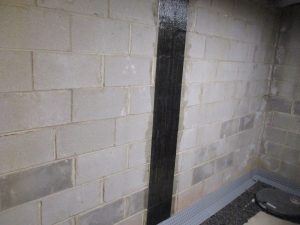 While you may not think about it often, crack repair is a crucial aspect of maintaining the structural integrity of buildings and other constructions.
It’s more than just filling in a gap; it’s a complex process that requires a deep understanding of crack types and repair methods.
In the world of crack repair, you’ll encounter several types, including structural and non-structural cracks.
Structural cracks typically indicate serious issues and can compromise a building’s stability. They’re usually wider and can be observed in critical areas of a structure like foundations and load-bearing walls.
Non-structural cracks, on the other hand, are primarily cosmetic and don’t threaten the stability of a structure.
Different crack types demand different repair methods.
For instance, epoxy injections are often used for filling and sealing structural cracks, providing a robust fix that can restore the original strength of the concrete.
On the other hand, non-structural cracks might only need simple sealing or patching with a suitable material.
Introducing Carbon Fiber Straps
Let’s shift our focus to carbon fiber straps, a standout solution in the realm of crack repair.
You’ll appreciate their distinct advantages, which include impressive durability and ease of installation.
Understanding their application process will help you realize why they’re considered a game-changer in the industry.
Carbon Fiber Straps Advantages
You might be wondering, why choose carbon fiber straps for crack repair? The first advantage lies in their ability to enhance structural integrity. Carbon fiber straps provide high tensile strength, making them ideal for securing cracked or fractured structures. They can effectively distribute stress along the entire length of the strap, thereby preventing further cracking or movement.
Another advantage is weight reduction. Carbon fiber straps are significantly lighter than their steel counterparts, but don’t let that fool you. Despite their lightness, they possess superior strength-to-weight ratio, which means they can support the same, if not greater, loads as steel without adding unnecessary weight.
Here’s a quick comparison table to illustrate these benefits:
| Carbon Fiber Straps | Steel Straps | |
|---|---|---|
| Weight | Light | Heavy |
| Strength-to-Weight Ratio | High | Low |
| Stress Distribution | Even | Uneven |
| Structural Integrity | High | Variable |
| Corrosion Resistance | Yes | No |
In addition, carbon fiber straps are corrosion resistant. This quality makes them a long-term solution for crack repair, especially in environments prone to moisture or chemical exposure. This resistance to corrosion contributes to the overall durability and lifespan of the structure.
Application Process Simplified
Despite its many benefits, the application of carbon fiber straps for crack repair might seem complex, but it’s actually a straightforward process. Understanding the process demystifies it, making it manageable even for beginners.
The first step involves material selection. You’ll need carbon fiber straps, a two-part epoxy, and the tools to apply them. The straps are typically made of high-strength carbon fibers embedded in a polymer matrix, which gives them their unique properties.
The application techniques for carbon fiber straps are simple and methodical. First, you’ll need to clean and prepare the crack. This involves removing any loose material and ensuring the surface is dry.
Next, you apply a layer of the epoxy to the crack. The carbon fiber strap is then applied over the epoxy. It’s important to ensure the strap is fully saturated with the epoxy to achieve a strong bond.
Pros of Using Carbon Fiber Straps
Let’s explore the advantages of using carbon fiber straps.
You’ll find that they’re efficient in reinforcing structures, offering a high strength-to-weight ratio.
Moreover, they’re remarkably durable and, when considering their longevity, they provide a cost-effective solution for crack repair.
Efficiency of Carbon Straps
When considering foundation repair, carbon fiber straps often come out on top for their efficiency. Unlike some alternative materials, carbon fiber straps offer rapid installation and immediate stabilization. This inherent repair efficiency is an attractive feature when time is of the essence.
In a material comparison, carbon fiber’s light weight and high strength-to-weight ratio make it a frontrunner. It doesn’t add significant weight to the structure it’s reinforcing, which is a key factor in preventing further damage.
It’s also worth mentioning that carbon fiber straps don’t require any heavy equipment for installation, simplifying the process and reducing labor costs.
Moreover, carbon fiber straps are often more effective in halting the progression of cracks. Their tensile strength ensures they can hold the cracked sections together without failing under the strain.
This means once the straps are installed, the cracks won’t continue to widen or lengthen, thus preventing further structural damage.
Durability and Cost
In terms of durability, carbon fiber straps are a standout choice for foundation crack repair. Their material longevity surpasses other methods, as they’re resistant to corrosion and can endure harsh conditions.
They’re designed to last, providing long term performance that’s unmatched. Unlike epoxy injections that might deteriorate over time, carbon fiber straps don’t lose their strength.
They’re made to withstand the test of time, ensuring the stability of your structure for years to come. This durability is a significant advantage, especially when considering the cost factor.
While epoxy injections might seem cheaper initially, they can turn out to be more expensive in the long run. The reason is simple: they might need reapplication over time due to wear and tear.
On the other hand, carbon fiber straps are a one-time investment. You’re not just paying for the product, but for peace of mind.
In the long run, choosing carbon fiber straps over epoxy injections can save you money, time, and potential structural issues. They offer reliability and resilience, making them a cost-effective solution for crack repair.
With carbon fiber straps, you’re investing in the future of your structure.
Cons of Using Carbon Fiber Straps
Though carbon fiber straps offer impressive strength for crack repair, they do have certain drawbacks worth considering. You’re likely to encounter some installation challenges, and there are also certain material limitations to bear in mind.
For one, the installation process for carbon fiber straps can be labor-intensive. It requires careful preparation, skill, and precision, which may present challenges and extend the time needed for completion.
In terms of material limitations, carbon fiber can’t flex and adapt to changing conditions as some other materials can. This rigidity may lead to failure in certain scenarios where flexibility is required.
Here are some additional cons to ponder:
- Carbon fiber straps can’t fill cracks; they can only stabilize them. If aesthetics matter, this could be a major downside.
- They aren’t suitable for repairing cracks that are wet or leaking.
- Carbon fiber is more expensive than some other materials, which might affect your budget.
- The straps are visible on the surface, which may not be desirable for interior spaces.
- Carbon fiber can’t be used on rounded or uneven surfaces.
In short, while carbon fiber straps are a powerful solution for crack repair, they’re not without their drawbacks.
Exploring Epoxy Injection
Shifting our focus from carbon fiber straps, let’s explore epoxy injection as an alternative method for crack repair. This method employs epoxy materials and specific injection techniques to seal and reinforce cracks.
Understanding the process is key. The injection process begins with drilling holes into the crack. These holes serve as entry points for the epoxy. The epoxy material is then injected under pressure, allowing it to fill and seal the crack.
Here’s a simplified breakdown of the procedure:
| Step | Description |
|---|---|
| 1 | Drill holes into the crack |
| 2 | Insert injection ports |
| 3 | Seal the surface |
| 4 | Inject epoxy material |
| 5 | Allow curing time |
Each step requires precision and expertise, ensuring the epoxy material effectively seals and strengthens the crack. The epoxy’s ability to penetrate and fill the crack is crucial to the repair’s success.
It’s important to note that while epoxy injection might seem like a straightforward solution, it’s not a one-size-fits-all. The type of crack, its severity, and location are key factors in determining if epoxy injection is the right solution. The next section will delve into the benefits of epoxy injection, offering more insight into its effectiveness.
Benefits of Epoxy Injection
Despite the complexity of its application, epoxy injection stands out for its numerous benefits in crack repair. You’ll find that its advantages extend beyond mere aesthetics. Here’s why:
- Epoxy’s superior adhesion: Epoxy forms a strong bond with the substrate material, enhancing the strength of the repaired area. With the right injection techniques, the epoxy penetrates deeply into the cracks, ensuring a long-term solution.
- Excellent durability: Epoxy maintains its properties under a wide range of environmental conditions, from extreme cold to high heat, and it’s resistant to chemicals.
- High load-bearing capacity: Epoxy can bear heavy loads, making it ideal for structural repairs.
- Versatility: It can be used in a variety of applications, from filling small cracks to repairing large structural damages.
- Cost-effective: Considering its durability and effectiveness, epoxy offers significant cost savings over time.
When evaluating the epoxy advantages, you’ll notice it’s not just about patching up a problem. It’s about providing a high-quality, lasting solution.
While the application process might require a certain level of skill, the quality of the result is worth the effort. The right injection techniques ensure the epoxy fills and seals the cracks properly, yielding a repair that’s both strong and durable.
Drawbacks of Epoxy Injection
Like any material, epoxy injection isn’t without its drawbacks. One of the main epoxy limitations is its rigidity. While it can effectively fill and seal cracks, its lack of flexibility means that it can’t adapt to any further movement or shifting in the structure. This leaves you open to the possibility of new cracks forming around the original repair.
Epoxy also faces repair challenges when it comes to application conditions. It requires a dry surface and ideal temperatures to cure properly, which can be difficult to achieve in certain environments. Furthermore, it isn’t always effective on larger cracks, as it can struggle to fully penetrate and seal these.
Lastly, epoxy can be a more expensive option compared to alternatives like carbon fiber straps. It requires more materials, and the installation process can be labor-intensive, adding to the overall cost.
| Epoxy Limitations | Repair Challenges | Cost Implications |
|---|---|---|
| Rigidity | Application Conditions | More materials needed |
| Can’t adapt to further movement | Difficulty with larger cracks | Labor-intensive installation |
| Potential for new cracks | Dependence on ideal temperatures | Higher overall cost |
Understanding these drawbacks can help you make an informed decision about the right solution for your crack repair needs.
Frequently Asked Questions
 What Is the Average Cost of Repairing Cracks With Carbon Fiber Straps vs. Epoxy Injection?
You’re likely to find a cost difference when comparing carbon fiber straps to epoxy injection for crack repair.
Carbon fiber straps can be more expensive, often costing between $350 to $500 per strap.
Epoxy injection, on the other hand, is usually cheaper with prices ranging from $300 to $400 per crack.
Remember, it’s not just about cost comparison, but also repair effectiveness.
You’ll want to choose the method that best suits your specific situation.
How Long Does Each Crack Repair Method Typically Take to Fully Cure?
In terms of cure time and repair efficiency, both methods have their merits.
Carbon fiber straps can cure within 24 hours, offering a rapid solution. However, you’re looking at a longer cure time with epoxy injection, typically 7 days, but it provides a more thorough and durable repair.
Can I Use Both Carbon Fiber Straps and Epoxy Injection for the Same Crack?
Yes, you can use both carbon fiber straps and epoxy injection for the same crack.
They’ve got different strengths that can complement each other. Carbon fiber straps provide reinforcement, while epoxy injection seals and fills the crack.
You’re enhancing the repair compatibility and combined effectiveness by using them together.
But, it’s crucial to follow each product’s instructions for proper application to ensure the best result.
Which Method Is More Suitable for Larger, Wider Cracks?
It’s all about the crack width and repair effectiveness.
For larger, wider cracks, epoxy injection is often the more suitable choice. It can fill the crack completely, bonding the concrete together and restoring its original strength.
Carbon fiber straps, while effective, are better suited for smaller, narrower cracks.
Are There Any Special Maintenance Requirements for Either Crack Repair Method Post-Application?
Neither method requires special maintenance post-application.
However, consider long term durability. Carbon fiber straps, once installed, don’t need upkeep and can withstand environmental impacts.
Epoxy injections might demand occasional reapplications, especially in variable climates.
It’s crucial you assess the specific conditions of your structure to determine the most effective, low-maintenance solution.
Deciding between carbon fiber straps and epoxy injection for crack repair isn’t a one-size-fits-all solution. Consider the nature of the crack, environment, and longevity of the repair. Straps offer flexibility and speed, but they’re not meant for load-bearing cracks. Epoxy, while stronger and perfect for larger cracks, requires precision and dry conditions. Hence, weigh your options carefully, keeping in mind the pros and cons of each method.

20 + years of experience! – It’s hard to find another company like ours. Our team of experts have decades of experience in residential and commercial construction, plumbing, masonry, and carpentry skills. Not just waterproofing …
5 Star Customer Satisfaction Guarantees! – We receive many compliments on our level of professionalism, cutting edge materials, hard working crews, cleanliness, and customer service: which is something hard to find in our industry. Our goal is to exceed your expectations from start to finish! We are here to alleviate your anxiety and will work our hardest to make sure that all of your concerns are achieved 100%.
