

You’ve probably heard about the potential dangers of high moisture levels in your home’s crawl space, but have you considered the impact it can have on your foundation? The truth is, excessive crawl space moisture can pave the way for significant foundation damage, leading to costly repairs and a compromised home stability. This connection may leave you wondering, what can be done to prevent these moisture-related issues? How can you effectively manage this risk to safeguard your home’s foundation? Let’s explore this critical topic further.
Key Takeaways
- Crawl space moisture can compromise foundation stability, leading to warping and rotting of materials, causing serious structural damage.
- High humidity in crawl spaces exacerbates moisture accumulation, triggering mold growth and potentially worsening foundation issues.
- Insufficient crawl space ventilation and drainage can result in water accumulation, further aggravating foundation damage risks.
- Visible signs such as dampness, mold, and specific crack patterns in crawl spaces can indicate underlying foundation damage.
- Prevention strategies include proper insulation, installing vapor barriers and dehumidifiers, and regular inspections for early detection of moisture and foundation issues.
Understanding Crawl Spaces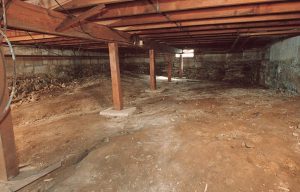
If you’ve ever wondered what a crawl space is, it’s essentially a small area, typically less than 3 to 4 feet in height, located between the ground and the first floor of a home.
Crawl spaces come in varied foundation types, each with specific construction methods. The soil composition within these spaces also varies, affecting the overall maintenance requirement.
Proper crawl space ventilation is crucial. It facilitates air circulation, reducing humidity levels and making pest control more manageable. Without adequate ventilation, the crawl space becomes a breeding ground for pests.
It’s recommended to use moisture barriers and insulation materials to further protect the space. These materials act as a shield, keeping the moisture from the ground from reaching the floor above.
Drainage systems also play a vital role in maintaining the crawl space’s condition. They prevent water accumulation, further reducing the humidity level within the area.
A well-maintained crawl space can significantly reduce the risk of foundation damage, making it a critical aspect of home maintenance. By understanding the importance of these elements, you can effectively manage your crawl space and ensure the longevity of your home’s foundation.
The Dangers of Moisture
You must understand that moisture presents significant risks, particularly in crawl spaces.
Left unchecked, it can trigger mold development, posing serious health hazards to you and your family.
Moreover, persistent moisture can result in structural damage, undermining the integrity of your home’s foundation.
Understanding Moisture Risks
Moisture, a seemingly harmless element, hides a sinister potential when it comes to your home’s crawl space. It’s vital to understand the risks to ensure your home stays strong and healthy.
Moisture sources are varied. They can include rainfall, condensation, plumbing leaks, and even the earth itself. You can’t always prevent these sources, but you can manage them. Regular crawl space inspections can help you spot moisture sources early before they cause significant damage.
Humidity levels play a significant role too. High humidity levels in your crawl space can lead to moisture accumulation. In the warmer months, this can be particularly problematic as warm air holds more moisture than cooler air.
It’s a good idea to keep an eye on the humidity levels in your crawl space and take action if they start to rise.
The risks of ignoring moisture in your crawl space are serious. Over time, excess moisture can cause foundation damage, leading to costly repairs. It can rot wooden structures, rust metal components, and even attract pests.
Understanding these risks is the first step in preventing them. Don’t underestimate the power of moisture; it’s far more threatening than you’d think.
Mold Development Dangers
Building on the destructive potential of moisture, let’s explore the hazards of mold development. You should understand that moisture sources, including crawl space dampness, can promote the growth of various mold types. This mold growth contaminates your indoor air, thus posing serious health risks.
Mold, specifically black mold, is notorious for causing respiratory issues, allergic reactions, and even neurological problems. This is a clear demonstration of the grave health risks associated with mold growth in your home’s crawl space. Therefore, it’s not just about the integrity of your foundation, but also about the safety of you and your family.
Now, let’s discuss mold prevention. The key to this is controlling moisture. With dampness being one of the main moisture sources, it’s essential to keep your crawl space dry. This can be achieved by properly insulating the area, installing a vapor barrier, or using a dehumidifier.
Regularly check for leaks and fix them promptly. These measures will help to prevent mold growth, safeguarding your health and your home’s structural integrity.
Structural Damage Consequences
While we’ve focused largely on the health risks associated with mold development, it’s crucial to not overlook the destructive impact of moisture on your home’s structure.
The structural integrity of your foundation is paramount for your home’s stability. Moisture sources, such as poor drainage solutions or soil erosion, can severely compromise the foundation stability, leading to significant repair costs.
The long term effects of moisture can lead to warping, rotting, and weakening of building materials. Seasonal variations can exacerbate these effects, as moisture levels fluctuate, causing expansion and contraction of materials.
Over time, this can result in serious structural damage, including cracks and shifts in your foundation.
Building codes are designed to protect against these issues, but they’re not foolproof. Insulation effects can trap moisture, and if not properly installed or maintained, can contribute to the problem.
Therefore, it’s essential to regularly inspect your crawl space and take proactive measures against moisture accumulation.
How Moisture Affects Foundations
Often, you may not realize the profound impact that moisture can have on building foundations. Moisture problems in your crawl space can lead to significant damage to your foundation, affecting its stability and overall structural integrity.
The primary issues associated with excess moisture include:
- The buildup of hydrostatic pressure against the foundation, leading to cracks and water intrusion.
- Soil erosion around the building’s foundation, which can result in the foundation settling unevenly and causing structural instability.
- High humidity levels in the crawl space, which can accelerate the deterioration of wooden components.
- The growth of mold and other harmful organisms that can compromise the quality of indoor air and cause health issues.
To prevent these problems, it’s essential to install adequate moisture and vapor barriers as well as efficient ventilation systems for humidity control.
Drainage solutions can help divert water away from the foundation, reducing the risk of soil erosion.
Insulation techniques also play a crucial role in mitigating moisture problems.
Signs of Foundation Damage
Understanding the adverse effects of moisture on your foundation, you should be aware of the telltale signs of foundation damage. Crack patterns and soil settlement are key indicators that should not be ignored.
Crack patterns in your foundation can be a clear sign of damage. Vertical, horizontal, and diagonal cracks each tell a different story, with varying levels of severity. Soil settlement, which refers to the sinking or lowering of soil, is another sign. This can lead to uneven floors, wall cracks, and even structural instability.
| Sign | Description |
|---|---|
| Vertical Cracks | Often the least severe, but shouldn’t be ignored |
| Horizontal Cracks | Indicate severe pressure and potential structural failure |
| Diagonal Cracks | Suggest differential settling, which can be serious |
| Uneven Floors | Indicate soil settlement beneath the home |
| Wall Cracks | Another sign of soil settlement |
These signs aren’t always obvious, so it’s important to pay close attention. Remember, early detection can save you from costly repairs down the line. Next, we’ll explore how to inspect your crawl space, a crucial step in understanding and preventing foundation damage.
Inspecting Your Crawl Space
Embark on a thorough inspection of your crawl space to truly comprehend the condition of your foundation.
A comprehensive crawl space inspection is key to detecting moisture, which can lead to significant foundation damage over time.
Here’s a step-by-step guide to help you:
- Initial Visual Assessment: Start with a general look-over. Check for visible signs of moisture such as water pooling, damp insulation, or rust on metal surfaces.
- Moisture Detection: Use a moisture meter or hygrometer to measure relative humidity. Anything above 60% indicates excessive moisture.
- Structural Integrity Check: Examine the beams, posts, and floor above. Look for signs of rot, mold, or other damage.
- Pest Inspection: Pests thrive in damp environments. Keep an eye out for signs of infestation like droppings or nesting materials.
Prevention Measures for Moisture
Prevention is your strongest weapon against the damaging impact of moisture in your crawl space. Begin with drainage solutions and water diversion. These are key in preventing water accumulation around your home’s foundation.
Consider installing trench and sump pump systems, which effectively direct water away from your property.
Next, focus on air circulation and humidity monitoring. Improved airflow reduces moisture build-up, and monitoring humidity levels allows you to act before damage occurs.
A dehumidifier installation can help maintain optimal humidity levels.
The use of vapor barriers is also essential. These plastic or foil sheets provide a moisture-resistant layer between your house and the damp soil, preventing moisture intrusion.
Additionally, insulation options like spray foam can create a moisture-resistant barrier in your crawl space.
Landscaping adjustments can also aid in moisture prevention. Properly graded landscapes lead water away from your home, reducing the risk of foundation damage.
Repairing a Damaged Foundation
Despite your best efforts, you might find yourself facing a damaged foundation. It’s a daunting situation, but don’t despair; there are foundation restoration techniques and waterproofing solutions that can help.
- Foundation Repair Techniques: There are several methods to repair a damaged foundation. These often involve underpinning, where additional support is added beneath the foundation.
You might also consider slabjacking, which lifts and stabilizes a sinking slab.
- Waterproofing Solutions: Waterproofing your foundation can prevent further damage. This could involve applying a waterproof membrane, installing a French drain, or using a sump pump to remove accumulated water.
- Professional Assessment: It’s crucial to consult professionals for an accurate diagnosis and repair plan. They’re trained to spot signs of damage and identify the best solution for your situation.
- Costs: Foundation repair isn’t cheap, but it’s necessary to protect your home’s structural integrity. Costs can vary based on the extent of damage and chosen repair method.
Maintaining a Dry Crawl Space
Now that you’re aware of the damage moisture can cause to your foundation, it’s important to know how to maintain a dry crawl space.
You’ll first need to become adept at identifying crawl space humidity and then adopting effective moisture control methods.
With these skills, you’ll be capable of preventing structural foundation damage, thus preserving the integrity of your home.
Identifying Crawl Space Humidity
In the realm of home maintenance, one often overlooked area is the crawl space, particularly in relation to humidity.
You might be ignoring this space, but it can be a significant source of moisture that can damage your home’s foundation.
It’s crucial to know the humidity sources and monitor the moisture levels in your crawl space.
Identifying crawl space humidity involves a four-step process:
- Inspection: Regularly check your crawl space for signs of moisture, like dampness, mold growth, or a musty smell.
- Measurement: Use a hygrometer to measure humidity levels. If it’s consistently over 60%, you’ve got a problem.
- Source Identification: Pinpoint humidity sources. This could be groundwater seepage, condensation from appliances, or inadequate ventilation.
- Assess Impact: Evaluate the effects of the humidity on your crawl space and foundation. Look for signs of wood rot, rust, or shifting in the foundation.
Effective Moisture Control Methods
Having identified the signs of humidity in your crawl space and understood its impact on your home’s foundation, you might be wondering how to effectively control this moisture.
First, consider dehumidifier installation. This device reduces humidity levels, creating a less hospitable environment for mold and mildew.
Next, look at your vapor barrier choices. These moisture barriers are crucial in preventing ground moisture from seeping into your crawl space. A proper sealant application ensures these barriers work effectively.
Drainage solutions such as the installation of French drains or sump pump options can also help manage water accumulation. A sump pump removes water that has collected in a sump basin, usually found in the basement of homes.
Insulation techniques are essential too. They not only provide energy efficiency but also prevent moisture intrusion.
Don’t forget to monitor the humidity levels regularly. Humidity monitoring devices can alert you to any sudden increases in moisture.
Enhancing air circulation is another effective method. This can be achieved by employing various ventilation strategies. However, beware of over-ventilation as it can draw in more moist air, especially during humid seasons.
Taking these steps will help maintain a dry crawl space, reducing the risk of foundation damage.
Preventing Structural Foundation Damage
To keep your home’s foundation structurally sound, it’s crucial you maintain a dry crawl space. Moisture in this space can lead to significant foundation damage, undermining your home’s structural integrity.
By ensuring foundation stability, you’ll avoid costly repairs and preserve your home’s value. Let’s delve into how you can achieve this.
- Regular Inspections: Always keep an eye out for signs of moisture. Regular inspections can catch early signs of water seepage, condensation, or high humidity in your crawl space.
- Moisture Barriers: Invest in high-quality moisture barriers. They’re designed to prevent ground moisture from causing dampness in your crawl space, thus protecting your foundation.
- Proper Ventilation: Ensure your crawl space is well-ventilated. This helps to prevent moisture build-up, reducing the chances of foundation damage.
- Professional Assistance: If you’re unsure how to maintain a dry crawl space, consider hiring a professional. They’ve the expertise to accurately assess and resolve moisture issues, helping to safeguard your foundation.
Frequently Asked Questions
 What Are the Costs Associated With Repairing a Moisture-Damaged Foundation?
 What Are the Costs Associated With Repairing a Moisture-Damaged Foundation?
You’re looking at several cost factors when repairing a moisture-damaged foundation.
The severity of the damage, repair methods chosen, and location all influence the final bill. It’s not cheap–minor repairs can start around $500, while major restorations can skyrocket into the tens of thousands.
It’s critical to get estimates from professionals to understand what you’re facing.
How Long Does It Typically Take to Repair Moisture-Related Foundation Damage?
Determining a precise repair timeline for moisture-related foundation damage can be tricky. It depends on the severity of the damage.
After a thorough damage assessment, minor repairs might take a few days to a week.
However, if you’re dealing with extensive damage, you could be looking at several weeks to a few months.
It’s crucial to address the problem quickly to prevent further damage and potentially save on repair costs.
Can Homeowners Insurance Cover Moisture Damage in Crawl Spaces and Foundations?
Yes, your homeowners insurance may cover moisture damage in crawl spaces and foundations.
However, it’s contingent on the nature of the damage. If it’s sudden or accidental, you’re likely covered.
But if it’s due to negligence or lack of maintenance, they probably won’t honor your claim.
Always review your policy carefully and discuss moisture claims with your insurance agent to understand your coverage limitations and responsibilities.
Are There Any Health Risks Associated With Moisture in Crawl Spaces?
Yes, there are health risks associated with moisture in crawl spaces.
Moisture can lead to mold growth, negatively impacting your home’s air quality. Breathing in this mold can cause respiratory issues, especially in those with asthma or allergies.
Additionally, the damp environment can attract pests, leading to infestations.
Moreover, excessive moisture can compromise the structural integrity of your home, causing potential safety hazards.
It’s important to address crawl space moisture promptly.
Do Different Types of Soil Affect the Moisture Level in a Crawl Space?
Yes, different types of soil can indeed impact the moisture level in your crawl space.
Clay soils, for instance, don’t drain well and can retain moisture, increasing the risk of crawl space dampness.
Sandy soils, on the other hand, drain better, reducing moisture levels.
Understanding your soil composition can help you implement effective drainage solutions to mitigate crawl space moisture and associated foundation damage.
So, you see, there’s a direct link between crawl space moisture and foundation damage. Don’t overlook this risk. Regular inspections, moisture control methods, and timely repairs keep your home safe and sturdy. Remember, it’s more than just about preventing mold – it’s about protecting your home’s structural integrity. Stay vigilant, stay informed, and take the necessary steps to maintain a dry crawl space. Your home’s foundation depends on it.

20 + years of experience! – It’s hard to find another company like ours. Our team of experts have decades of experience in residential and commercial construction, plumbing, masonry, and carpentry skills. Not just waterproofing …
5 Star Customer Satisfaction Guarantees! – We receive many compliments on our level of professionalism, cutting edge materials, hard working crews, cleanliness, and customer service: which is something hard to find in our industry. Our goal is to exceed your expectations from start to finish! We are here to alleviate your anxiety and will work our hardest to make sure that all of your concerns are achieved 100%.