

You’re probably aware that foundation repairs are crucial for maintaining your home’s stability and value. But are you falling into common traps that could be making matters worse? If you’re tackling DIY fixes without adequate knowledge, opting for the cheapest contractor, or failing to secure necessary permits, you might be setting yourself up for headaches down the line. What about overlooking regular inspections and maintenance? Let’s discuss these pitfalls and how you can avoid them. Trust me, your home’s foundation – and your wallet – will thank you.
Key Takeaways
- Many homeowners neglect early warning signs of foundation issues, leading to increased damage and repair costs.
- Attempting DIY repairs without professional expertise often exacerbates foundation problems and risks personal injury.
- Overlooking the impact of soil conditions and poor drainage can result in severe foundation damage over time.
- Failure to secure necessary permits can lead to legal issues, fines, and safety concerns.
- Neglecting regular inspections and maintenance can accelerate foundation degradation and devalue the property.
Ignoring Early Warning Signs
How often do you overlook minor cracks in your walls, doors that won’t close properly, or even uneven floors? Too often, these seemingly minor issues are disregarded as just cosmetic defects or the results of a house “settling”.
But, they’re more than that. They’re early warning signs of potentially serious foundation problems.
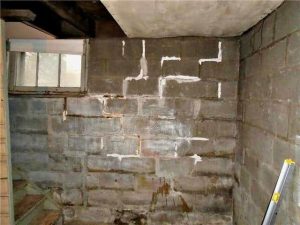
Cracking walls, for instance, aren’t just an eyesore. They signify structural issues that, if left unchecked, can lead to significant damage and costly repairs in the future. These cracks often start small and grow over time, following the path of least resistance through your walls. Ignoring them won’t make them go away. Instead, they’ll get worse.
Similarly, uneven floors are more than just a tripping hazard. They’re a sign that your home’s foundation is shifting or sinking, which can seriously compromise the integrity of your entire structure. If you notice your floors are sloping or feel bouncy when you walk on them, it’s time to seek professional help.
In essence, the biggest mistake you can make is ignoring these early warning signs. Don’t let minor issues escalate into major problems. Be proactive in addressing cracking walls and uneven floors.
 Attempting DIY Foundation Repairs
Diving headfirst into DIY foundation repair can land you in deep water. It’s tempting to save money and take matters into your own hands, but this approach often leads to more harm than good. Understanding foundation repair methods is crucial, and without professional expertise, you’re more likely to worsen the problem.
Foundation repairs often involve complex processes, from excavation to installation of piers or anchors. Not only does this require knowledge and experience, but also specialized equipment. Without this, your DIY attempts could result in structural instability and even collapse.
Even with DIY safety precautions, you’re risking personal injury. Foundation repair involves heavy lifting and potentially dangerous tools. One wrong move could lead to serious harm. For your safety and the integrity of your home, leave this job to the professionals.
Remember, a well-done repair extends beyond the use of correct methods. It requires a comprehensive understanding of soil conditions, water drainage, and property grading. Without this knowledge, your DIY attempts might just be a band-aid on a wound that needs stitches.
Don’t make the mistake of underestimating foundation repair. It’s more complex than it seems, and taking a DIY route can lead to costly, even dangerous, mistakes.
Choosing the Cheapest Contractor
Bargain hunting, while often beneficial, can backfire when it comes to choosing a contractor for foundation repairs. Selecting the cheapest contractor without considering their qualifications and experience might lead to subpar work, causing more damage in the long run.
When considering budget, don’t let price be your guiding star. It’s crucial to keep in mind the following:
- Contractor Credentials: Always verify the contractor’s credentials. A reputable contractor should have a valid license, insurance, and references from previous clients.
- Experience: Be sure your contractor has sufficient experience in foundation repair. They should be well-versed in different types of foundation problems and their solutions.
- Quality of Materials: The cheapest contractor might cut corners by using low-quality materials. This can lead to further problems down the line.
- Warranty: A good contractor will offer a warranty on their work, ensuring you won’t have to pay extra if problems arise after the repair.
Neglecting Soil Conditions
Often, homeowners overlook the importance of understanding soil conditions around their foundation. This is a critical mistake as the type and condition of the soil can significantly impact the stability and health of your foundation.
Conducting a soil analysis isn’t just for gardening; it’s a crucial step you need to take to ensure a strong, long-lasting foundation. Different types of soil have varying abilities to bear weight and manage moisture. For instance, clay soil expands when wet and shrinks when dry, causing shifting that can damage your foundation. Sandy soil, on the other hand, doesn’t retain moisture well but provides good bearing capacity.
Moisture management is another aspect you can’t afford to neglect. Excessive or uneven moisture levels in the soil can lead to foundation problems like heaving, settling, or cracking. Therefore, proper drainage systems should be in place to prevent water accumulation around your foundation.
Ignoring soil conditions can lead to costly foundation repairs down the line. Therefore, it’s crucial to understand your soil, manage moisture effectively, and take appropriate preventive measures.
Not Securing Proper Permits
A surprising number of homeowners make the mistake of not securing the necessary permits before starting foundation repair work. This oversight can lead to costly fines, legal implications, and even the halting of your project. Understanding and adhering to permit requirements is a crucial step in your foundation repair journey.
- Educate yourself: Familiarize yourself with the local building codes and permit requirements. The specifics can vary greatly from region to region, so make sure you’re well-informed about the regulations in your area.
- Secure the necessary permits: Don’t assume that your contractor will handle this for you. It’s your responsibility as the homeowner to ensure that all necessary permits are obtained before work begins.
- Avoid legal ramifications: If you don’t secure the required permits, you could face legal implications, such as fines or a stop-work order. In some cases, you may even be required to undo the work that’s been done.
- Ensure quality work: Permits aren’t just bureaucratic red tape. They’re there to ensure that your repairs meet safety standards. By securing the proper permits, you’re ensuring the quality and safety of your home’s foundation.
Avoiding this mistake will save you from unnecessary headaches, and ensure your foundation repair project runs smoothly.
Lack of Regular Maintenance
You mightn’t realize it, but routine checks on your home’s foundation are essential for its overall health.
By learning to recognize early warning signs, you could save yourself from significant repair costs down the line.
If you neglect regular maintenance, the consequences could be quite severe, leading to structural instability and decreased property value.
Importance of Routine Checks
Neglecting regular maintenance checks on your home’s foundation can result in serious consequences. This oversight often contributes to the development of significant issues which are costly and complex to rectify.
However, you can avoid these problems by implementing routine inspections and preventative measures.
Engaging in routine checks serves multiple purposes:
- Early Identification: Routine inspections allow you to identify and address minor issues before they escalate into major problems.
- Cost Savings: Addressing issues early on is generally less expensive than dealing with significant repairs or even a complete foundation replacement.
- Property Value: Regular maintenance helps to sustain and potentially even increase the value of your property.
- Peace of Mind: Knowing your home’s foundation is in good condition provides peace of mind for both you and potential buyers, should you decide to sell.
Recognizing Early Warning Signs
Despite the benefits of routine checks as outlined earlier, it’s equally important to understand how to recognize the early warning signs of foundation issues, especially if regular maintenance has been overlooked.
The primary evidence of foundation settlement is visible cracking in your home’s walls, floors and ceilings. You might also notice doors and windows that no longer close properly, or gaps where the walls meet the floor or ceiling.
While these signs may seem minor, they’re a clear indication that the structural integrity of your home is compromised. Soil movement beneath the foundation often causes these issues. It’s important that you don’t ignore these signs as minor cosmetic problems. They’re serious indicators of foundation settlement that could lead to more significant structural damage if left unattended.
Another sign is uneven or sloping floors. If your floors are sagging or the level is off, it could mean that your foundation is shifting. This isn’t a common occurrence in well-maintained homes and should be a cause for concern.
Recognizing and acting on these early warning signs can save you from costly repairs down the line and maintain the structural integrity of your home.
Consequences of Neglected Maintenance
The impact of neglecting regular maintenance on your home’s foundation can be severe.
It’s not just about maintaining the aesthetic appeal of your property. The foundation longevity largely depends on the routine maintenance schedule. When this is overlooked, you’re inviting unnecessary, often costly, problems.
- Decreased Property Value: If you’re planning to sell your home in the future, a neglected foundation can drastically reduce its market value. Buyers may shy away from homes with potential foundation issues.
- Structural Instability: Your home’s stability is directly tied to the health of its foundation. Neglected maintenance can lead to significant structural issues, including uneven floors, cracked walls, and doors that won’t close properly.
- Increased Repair Costs: Small problems can quickly escalate into major issues if not addressed promptly. The cost of extensive repairs will be much higher than regular maintenance.
- Potential Health Risks: A damaged foundation can lead to moisture intrusion, fostering mold growth. This not only threatens the structural integrity of your home but can also pose serious health risks to you and your family.
Failing to Address Drainage Issues
Drainage issues, unfortunately, often take a backseat when homeowners tackle foundation repairs. You mightn’t realize it, but ignoring proper water management can lead to severe foundation damage with costly consequences.
Most homeowners focus on the visible cracks and structural elements without considering the role of water in causing these problems.
Let’s get this straight. The importance of effective drainage solutions can’t be overstated. Water that pools around your foundation can seep into the concrete, causing it to weaken over time.
This is where proper drainage comes in. By channeling water away from your home’s foundation, you can prevent a host of issues, including structural damage, mold growth, and basement flooding.
So, if you’re in the process of repairing or maintaining your foundation, don’t neglect the drainage. Invest time and resources in understanding your property’s drainage needs.
Whether it’s proper gutter installation, grading your property, or installing a French drain, there are various ways to manage water effectively.
Skimping on Quality Materials
Why economize on quality materials when it’s your home’s foundation at stake? Settling for substandard materials is a classic mistake that homeowners make while undertaking foundation repairs.
It’s vital to understand that quality assurance and material durability should never be compromised.
- Quality assurance: Quality materials come with a guarantee of long-lasting performance. They’re tested and proven to withstand wear and tear, ensuring your home’s foundation remains sturdy and stable.
- Material durability: Durable materials resist environmental stressors like moisture, temperature fluctuations, and soil movement. This endurance results in reduced maintenance costs and prolonged lifespan of your foundation.
- Cost-effectiveness: While quality materials may seem expensive upfront, they’ll actually save you money in the long run. Cheap materials can lead to recurrent repairs, escalating costs over time.
- Home value: Using quality materials boosts your home’s value. Prospective buyers appreciate the longevity and strength of a well-maintained foundation, reflecting positively on your property’s worth.
Overlooking Ongoing Inspection Needs
Just as investing in quality materials is a wise move, it’s equally critical to not ignore the importance of regular foundation inspections. This ongoing evaluation safeguards your investment and keeps potential issues at bay. You’re not simply checking a box but ensuring the longevity of your property.
Overlooking regular foundation inspections can lead to undetected issues that may escalate over time. These inspections provide a comprehensive view of the current state of your foundation and can highlight areas that need immediate attention.
Consider the table below that outlines the crucial aspects of ongoing foundation inspections:
| Aspect | Importance | Frequency |
|---|---|---|
| Material Degradation | To spot signs of wear and tear | Annually |
| Structural Integrity | To ensure the foundation is sound | Bi-annually |
| Water Damage | To prevent further harm from moisture | After heavy rains |
| Pest Invasion | To deter infestation that could weaken the foundation | Seasonally |
| Soil Movement | To monitor changes in soil that affect foundation | After seismic activities |
In the long run, you’ll find that a regular foundation inspection schedule is far less costly and time-consuming than dealing with major foundation repairs. Don’t overlook this vital aspect of home maintenance.
Frequently Asked Questions
 What Are the Health Risks Associated With Foundation Damage?
When your home’s foundation becomes unstable, you’re exposed to several health risks.
Structural safety is compromised, increasing the chance of accidents.
Cracks can let in moisture, leading to mold growth which can cause respiratory issues.
Pests can also infiltrate, bringing diseases.
It’s vital you don’t ignore these signs.
Always address foundation issues promptly and professionally to safeguard your health and that of your family.
How Long Does a Typical Foundation Repair Process Take?
You’re probably wondering about the foundation repair timeline.
Well, it can vary. Generally, the repair process duration can range from a few days to several weeks. It depends on the severity of the damage, the repair methods used, and weather conditions.
But remember, rushing a foundation repair job can lead to mistakes. It’s crucial to give your contractor enough time to properly fix the issues and ensure the stability of your home.
Are There Specific Insurance Policies That Cover Foundation Repairs?
Yes, specific insurance policies can cover foundation repairs.
However, it’s essential you read the fine print. Many home insurance policies have exclusions for “ground movement,” which could potentially include foundation damage.
You’ll want to check your policy and consult with your insurer to understand what’s covered. Sometimes, additional coverage can be purchased to protect against such damages.
It’s crucial you’re aware of your insurance coverage to avoid surprises later.
Don’t let your home’s foundation issues escalate. Be proactive: don’t ignore warning signs, skip professional help, or opt for the cheapest contractor. Consider soil conditions and secure necessary permits to avoid legal headaches. Maintain your foundation regularly and address drainage issues promptly. Don’t skimp on quality materials and remember the importance of ongoing inspections. By avoiding these common mistakes, you can safeguard your home’s structural integrity and save on costly repairs in the long run.

20 + years of experience! – It’s hard to find another company like ours. Our team of experts have decades of experience in residential and commercial construction, plumbing, masonry, and carpentry skills. Not just waterproofing …
5 Star Customer Satisfaction Guarantees! – We receive many compliments on our level of professionalism, cutting edge materials, hard working crews, cleanliness, and customer service: which is something hard to find in our industry. Our goal is to exceed your expectations from start to finish! We are here to alleviate your anxiety and will work our hardest to make sure that all of your concerns are achieved 100%.
