

Have you ever thought about the health risks that a damp basement could pose to you and your loved ones? If you’ve been dismissing that musty smell or the occasional puddle, it’s time to reconsider. Not only does dampness create a perfect breeding ground for harmful molds, but it could also invite disease-carrying pests into your home. The elderly and children are particularly vulnerable, with risks ranging from respiratory problems to skin irritations. Think it’s time to take action? Stay tuned as we explore the risks and the ways to mitigate them.
Key Takeaways
- Damp basements foster mold growth, including harmful species like black mold that can cause serious health issues.
- The damp environment can trigger allergic reactions, causing sneezing, itching, and skin rashes.
- Respiratory problems can arise from damp air, leading to infections and chronic conditions like sinusitis.
- Damp conditions attract pests that carry diseases exacerbating allergies, especially in vulnerable populations like children and the elderly.
- Dampness can lead to common skin conditions like dermatitis, athlete’s foot, and ringworm, causing discomfort and further health risks.
Understanding Basement Dampness
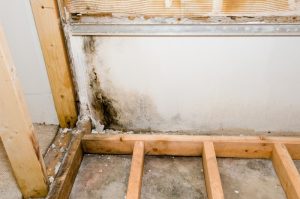 If you’ve ever descended into your basement to be greeted by a musty smell or a chill in the air, you’re likely dealing with basement dampness.
This issue isn’t just an inconvenience; it’s a serious problem that can potentially impact your health and compromise the structural integrity of your home.
Basement dampness originates from excess moisture, either from condensation, leaks, or ground water seeping in.
As moisture persists, it creates an environment conducive for bacteria and pests, further escalating the health risks.
But don’t fret. There are effective solutions to manage this issue.
Moisture control is a key strategy to combat basement dampness. This involves identifying and addressing the source of moisture.
It could mean repairing leaks, waterproofing your basement, or improving drainage around your home.
Equally important is basement ventilation. Proper ventilation circulates air, reducing the amount of moisture that can condensate on cold surfaces.
This could be achieved by installing exhaust fans or vents, or using dehumidifiers to lower moisture levels.
Mold Growth and Allergies
While you might shrug off basement dampness as a minor nuisance, it’s crucial to understand the potential health issues it can trigger, such as mold growth and allergies. This moisture can foster various mold types, some of which are more harmful than others.
For instance, black mold, officially known as Stachybotrys chartarum, is particularly toxic and can cause severe health problems.
When there’s mold, there are spores, and these can easily spread throughout your home. Once airborne, they’re inhaled and can trigger an immune response, commonly known as an allergic reaction.
Allergy symptoms can range from mild to severe and may include sneezing, itching, watery eyes, runny nose, and even skin rashes.
The situation gets worse for those already prone to allergies. They might experience more frequent and severe reactions. Long term exposure can even lead to chronic sinusitis.
Respiratory Problems Due to Dampness
The dampness in your basement doesn’t just promote mold growth; it can also lead to serious respiratory problems. The damp air in such spaces encourages the development of pathogens that can trigger respiratory infections. These infections can manifest as chronic coughing, wheezing, and difficulty in breathing.
You may think you’re safe if you don’t spend time in the basement. However, the damp air can circulate throughout your house, potentially affecting all occupants. This air may carry with it spores or bacteria that cause respiratory distress when inhaled.
Prolonged exposure to damp air can lead to more serious conditions. These include chronic obstructive pulmonary disease (COPD), bronchitis, and in severe cases, lung infections like pneumonia.
Children, the elderly, and individuals with weakened immune systems are particularly at risk.
Take note, the risk isn’t limited to direct inhalation. The dampness can also cause structural damage, releasing particles that can be inhaled and lead to respiratory issues.
Therefore, it’s important to address the dampness in your basement promptly to avoid these health risks. Regular checks and adequate ventilation are effective ways to reduce dampness and the associated risks.
Infestation Risks in Damp Basements
You may not realize that a damp basement doesn’t just pose a threat to your health, but it also increases the risk of infestations.
This damp environment is a breeding ground for mold and pests, both of which can cause significant damage to your home’s structure.
It’s important to understand these risks and take action to protect your home and your health.
Mold and Pest Dangers
In damp basements, a multitude of health hazards can lurk, chief among them being the threats of mold and pest infestations.
These dangers aren’t just unsightly nuisances; they’re legitimate health risks you can’t afford to ignore.
Mold prevention is a must. Trapped moisture creates the perfect breeding ground for various types of mold, including black mold, known for its potential to cause respiratory issues, skin irritation, and even neurological problems.
It’s not something you want growing in your home. Invest in a good dehumidifier, ensure proper ventilation, and regularly check for any leaks or water accumulation.
Pest control is another critical concern. Damp basements can become a haven for pests such as cockroaches, rats, and termites.
These unwelcome visitors not only carry diseases but also exacerbate allergies and asthma.
Regularly inspect your basement for signs of infestation, and don’t hesitate to call a professional pest control service if you suspect an issue.
Structural Damage Risks
Beyond health hazards, damp basements can cause significant structural damage to your home. Over time, excessive moisture retention in the basement can lead to foundation instability, threatening the overall integrity of your property. Left unchecked, this can evolve into costly repairs and even safety issues.
Water can seep into your home’s foundation, wearing it down over time. You’ll gradually notice signs of this: cracking walls, uneven floors, and doors that won’t close properly. These aren’t just cosmetic issues; they’re indicators that your home’s structural stability is compromised.
Additionally, prolonged moisture retention can cause rot in wooden elements of your home. This not only weakens the wood’s strength, but it’s also a beacon for pests, adding another layer of potential damage.
It’s crucial to address a damp basement promptly to prevent these issues. Consider installing a dehumidifier and seeking professional advice for effective waterproofing solutions.
Structural Damage Concerns
While addressing health risks, don’t overlook the potential for structural damage in your damp basement.
It’s crucial to identify signs of water damage early, understand the causes of structural deterioration, and take proactive steps to prevent further damage.
In the following discussion, we’ll explore these points in detail to equip you with the knowledge necessary to protect your home.
Identifying Basement Water Damage
Untold damage can lurk beneath the surface of your seemingly harmless basement. Identifying basement water damage is crucial to prevent structural issues and potential health risks.
It’s not always a deluge that signals water damage; subtle signs often whisper the reality.
Key indicators of water damage include:
- Water stains: These are often found on walls and floors. Water stains can be a clear indication of a hidden water problem.
- Musty odors: Persistent, inexplicable musty smells can be a symptom of lurking water damage.
- Mold growth: Mold thrives in damp environments. If you spot it, there’s a good chance you have water issues.
- Cracked or bubbling paint: This is often a sign of moisture buildup behind walls.
- Warped wood or laminates: Excessive moisture can cause these materials to warp or lift.
Each of these signs suggests water damage. Don’t ignore them.
By identifying and addressing these issues early, you can save yourself from costly repairs, health concerns, and a whole lot of stress.
Your basement may seem benign, but hidden water damage can have serious implications.
Causes of Structural Deterioration
You’ve spotted the signs of water damage. Now, it’s important to understand the causes behind structural deterioration. The most common cause is foundation cracks. These are often the result of poor construction or shifting soil, but they can also be exacerbated by water. Moisture intrusion into these cracks can erode the concrete, further weakening your home’s structural integrity.
When water seeps into your basement, it doesn’t just sit there. It interacts with the materials in your basement, leading to potential damage.
Moisture intrusion can cause wood to rot, metal to rust, and concrete to crumble. Over time, these effects can compromise the structural integrity of your home, leading to costly repairs.
In addition to physical damage, moisture intrusion can also lead to a damp environment that encourages the growth of mold and mildew. These organisms can’t only cause further damage to your home but can also pose serious health risks.
Ultimately, understanding the causes of structural deterioration can help you take steps to prevent further damage.
In our next section, we’ll cover how you can protect your home from these risks.
Preventing Further Damage
Let’s explore how to prevent further damage to your home’s structure from moisture intrusion.
It’s crucial to take proactive steps to protect your home and health from the effects of a damp basement.
To prevent further structural damage, consider these steps:
- Invest in waterproofing solutions: A professional waterproofing system can prevent water from seeping into your basement, protecting your home’s foundation and walls.
- Implement humidity control: Dehumidifiers can help maintain an ideal humidity level, preventing mold growth and wood rot.
- Regularly inspect your basement: Look for signs of moisture, such as damp spots, mold, or a musty smell.
- Fix leaks promptly: If you notice any water leaks, repair them immediately to prevent further damage.
- Maintain your home’s exterior: Ensure your gutters are clean and your landscape slopes away from your home to direct water away from the foundation.
The Impact on Mental Health
While it may not be immediately obvious, living in a home with a damp basement can significantly impact your mental health. You might dismiss it as a minor inconvenience, but it’s much more than that. The constant worry about potential damage and the financial burden of repairs can become anxiety triggers, leading to heightened stress levels.
Moreover, the presence of mold, a common issue in damp basements, can cause mood fluctuations. These aren’t just your everyday mood swings. You may experience persistent feelings of sadness, lethargy, and a general loss of interest in activities you once enjoyed. This isn’t to be taken lightly as it can escalate into full-blown depression if left untreated.
Additionally, the poor air quality resulting from the dampness can affect your cognitive function. You might find it harder to concentrate or experience frequent headaches, adding to your daily stress load.
It’s clear that a damp basement does more than wreak havoc on your home’s structure. It can also play a significant role in your mental wellbeing.
Potential Skin Conditions
Countless individuals living in homes with damp basements unknowingly expose themselves to potential skin conditions. The damp environment provides a perfect breeding ground for microorganisms that can cause skin irritation and fungal infections.
The following are common skin conditions you may encounter:
- Dermatitis: This type of skin irritation often arises from the presence of mold spores in a damp basement.
- Athlete’s foot: This fungal infection thrives in damp, warm places and can easily be picked up when walking barefoot in a damp basement.
- Ringworm: Despite its name, ringworm isn’t a worm but a fungal infection that can spread in moist environments.
- Eczema: Excessive dampness and mold can exacerbate this chronic skin condition, causing flare-ups.
- Jock itch: Similar to athlete’s foot, this fungal infection thrives in damp areas and can cause uncomfortable rashes.
It’s important to realize that these skin conditions aren’t just minor inconveniences. They can lead to serious health problems if left untreated.
Therefore, it’s crucial to address the issue of a damp basement to protect not only your home’s structure but also your health.
Preventing Health Risks From Damp Basements
In the face of potential health hazards, taking preventative measures against damp basements becomes an imperative. You mustn’t overlook the impact of a damp environment on your health, making damp prevention tips essential for your well-being.
Firstly, consider investing in a high-quality dehumidifier. Not only will this tool help in reducing moisture, but it also plays a pivotal role in preventing mold and mildew growth.
Next, sealing your basement walls and floors is one of the most effective moisture control methods. It’s a proactive measure to prevent water leaks, thus reducing dampness.
Additionally, installing a proper drainage system around your house helps divert water away from your foundation, further mitigating risks.
Regular maintenance is key. Have a professional inspect your basement periodically to spot any potential issues early. This way, you can address problems before they escalate into serious health hazards.
Increasing ventilation, particularly in bathrooms and kitchens, can also prevent dampness from spreading. Keep in mind, these areas are prone to generating a lot of moisture.
Following these damp prevention tips and moisture control methods will indeed protect you from the health risks associated with damp basements. Don’t compromise on your health; take the necessary steps today.
Frequently Asked Questions
 Can a Dehumidifier Help in Reducing the Dampness in My Basement?
Absolutely, a dehumidifier can significantly help reduce basement moisture.
It works by extracting water from the air, thus lowering the humidity levels. This not only makes your basement feel less damp and more comfortable, but it also helps protect your home from potential damage caused by excessive moisture.
Don’t underestimate the dehumidifier benefits; investing in one may save you from costly repairs down the line.
What Are Some Early Signs of Mold Growth That I Should Look Out For?
You should be alert for early signs of mold growth like a musty smell, dark spots on walls or ceilings, and increased allergy symptoms.
High moisture levels in your basement can encourage mold spores to grow, so it’s crucial to keep this space dry.
Don’t ignore these signs; if left unchecked, mold can lead to serious health risks.
Consider using a dehumidifier to reduce dampness and prevent mold growth.
Do All Types of Mold Cause Health Issues?
Not all molds cause health issues, but it’s important not to ignore any type.
Certain toxic molds, like black mold, can cause serious health problems. Even non-toxic molds can trigger mold allergies, leading to symptoms like sneezing, coughing, and skin irritation.
It’s best to take any sign of mold growth seriously. If you’re unsure about a mold type, it’s safer to consult a professional for proper identification and removal.
Are Children More Susceptible to Health Risks From a Damp Basement?
Yes, children are more susceptible to health risks from a damp basement.
Their immune systems aren’t fully developed, making them more vulnerable to infections and allergies.
Damp conditions can encourage mold growth, which can trigger respiratory issues.
It’s important to keep your basement dry and well ventilated, not just for your child’s health, but for everyone in the household.
Don’t ignore the potential hazards, take action to protect your family.
Are There Any Legal Implications if I Rent Out a Home With a Damp Basement?
Yes, there can be legal implications if you rent out a home with a damp basement.
As a landlord, you’re legally obligated to provide a habitable living space, under tenant rights laws.
If you’re aware of dampness and ignore it, you could face liability for health issues caused by mold or other damp-related problems.
It’s not just about health risks, it’s about legal responsibilities too.
Don’t neglect this issue.
Don’t overlook the health risks of a damp basement. It’s a breeding ground for mold, triggering allergies and respiratory problems. It also invites pests, exacerbating these concerns. The dampness can damage your home’s structure and even impact your mental health. Some may even develop skin conditions. Promptly address any dampness to prevent these potential hazards. With the right precautions, you can ensure your basement remains a safe, healthy space in your home.

20 + years of experience! – It’s hard to find another company like ours. Our team of experts have decades of experience in residential and commercial construction, plumbing, masonry, and carpentry skills. Not just waterproofing …
5 Star Customer Satisfaction Guarantees! – We receive many compliments on our level of professionalism, cutting edge materials, hard working crews, cleanliness, and customer service: which is something hard to find in our industry. Our goal is to exceed your expectations from start to finish! We are here to alleviate your anxiety and will work our hardest to make sure that all of your concerns are achieved 100%.
