

Ever noticed a crack creeping up your wall or doors that just won’t close properly? These could be more than simple annoyances; they may be early signs of foundation issues. As a homeowner, knowing these signs ensures you’re able to act swiftly, potentially saving you from extensive – and expensive – damage down the line. So, let’s discuss some key signs that your home’s foundation might need a closer look. Are you ready to ensure your home’s stability for years to come?
Key Takeaways
- Cracks in walls or ceilings can indicate stress on the home structure, signaling potential foundation issues.
- Vertical cracks running from ceiling to floor are a sign of shifting foundations.
- Sticking doors and windows or difficulty in opening them can reveal misaligned frames due to foundation movement.
- Gaps in closed doors suggest foundation shifting, which can lead to further structural damage if ignored.
- Early detection of these warning signs is crucial to preserve home safety and maintain property value.
Understanding Home Foundation Basics
Home foundations, the backbone of any sturdy structure, are crucial to the overall stability and safety of your house. There are several foundation types, each designed to cope with specific soil conditions and climate variables.
You’ve got shallow foundations, which rest directly on the soil surface. These are ideal for stable, hard soils. On the other hand, deep foundations penetrate the ground, reaching far below the surface to distribute the building’s weight to deeper, more stable soil layers.
Yet, the type of foundation alone isn’t enough to ensure the safety of your home. You must also consider the soil conditions. For example, clay-rich soils expand and contract with changes in moisture. This constant movement can lead to foundation problems over time.
Sandy soils, while they don’t swell or shrink, are prone to shifting and settling, which can also result in foundation issues.
Understanding the basics of home foundations isn’t just for construction experts. It’s knowledge that can help you, the homeowner, keep an eye out for potential foundation problems.
Uneven or Sloping Floors
Have you noticed an uneven or sloping floor in your home?
This could be a sign of foundation problems.
Let’s discuss how to identify these issues, understand the causes, and explore possible solutions.
Identifying Uneven Floor Issues
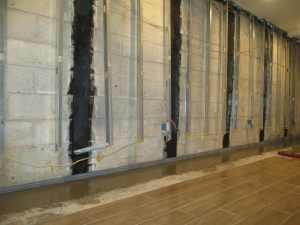 Floor-level disparity, often an overlooked issue in many homes, can be an early warning sign of foundation problems.
It’s essential to identify uneven floors early on to prevent further damage, but how exactly do you detect these irregularities?
Firstly, pay attention to your flooring materials. They can reveal a lot about the condition of your foundation. If you’re noticing cracks or gaps in your hardwood or tiles, it’s a good indication of unevenness.
Next, consider using leveling techniques. Place a marble or a water level on your floor. If it rolls or leans to one side, that’s a clear sign you’ve got a sloping floor.
Lastly, observe how your furniture sits on the floor. If your table or bookshelf isn’t level, it mightn’t be the furniture’s fault but rather an uneven floor causing it to tilt.
To help you visualize, here are three things to look out for:
- Cracks or gaps in your flooring materials
- A marble or water level leaning or rolling to one side
- Furniture appearing tilted or not sitting level
Causes of Sloping Floors
While you might think that a sloping floor is a simple aesthetic problem, it’s often an indication of deeper, structural issues. One common cause is foundation settling. Over time, your home’s foundation can sink into the ground, especially if it’s built on expansive clay or improperly compacted fill soils. This results in uneven floors that slope or dip in certain areas.
Soil erosion can also play a big part. If the soil around your home is eroding, it can cause your foundation to shift, creating uneven floors. This is often due to drainage issues, like water not being directed away from your home properly. Water saturation of the soil, especially during heavy rains, can exacerbate this issue.
The growth of tree roots near your foundation can also cause problems. As they expand, they can push against your foundation and cause it to crack or move, creating a slope in your floor.
Lastly, don’t overlook construction flaws. Poor building practices or materials can lead to a weak foundation that shifts over time. It’s essential to address these issues, as they can lead to serious damage if left unchecked.
Solutions for Uneven Floors
Understanding the potential causes of sloping floors is vital, but it’s equally important to know how to address this issue. Here’s where floor leveling and foundation repair come into play.
Floor leveling is a process where a mixture of cement and sand is used to even out the surface. It’s a solution that’s usually effective for minor sloping issues. However, if the problem is more serious, floor leveling may only be a temporary fix. You might start noticing the slope returning after a while.
In such cases, foundation repair becomes necessary. This involves inspecting your home’s foundation, identifying the problem areas, and then fixing them. It’s a complex process that often requires professional help. But don’t worry, with the right team, your floor issues can be resolved effectively.
For a clear picture, consider these scenarios:
- You notice a slight tilt in your living room floor. Floor leveling could be your answer.
- The slope in your kitchen seems to be getting worse over time. Here, foundation repair might be required.
- You’ve tried floor leveling before, but the problem persists. It’s time to consider a more in-depth foundation repair.
Cracks in Walls or Ceilings
A surprising number of homeowners overlook the significant warning sign of cracks in walls or ceilings. You might dismiss these as mere cosmetic issues, but in reality, they could be indicative of serious foundation problems.
Those tiny hairline fractures you’ve been ignoring? They’re often the first indication of trouble. They might seem insignificant, but they’re a clear sign that your home’s structure is under stress.
Don’t let the term ‘hairline’ fool you into complacency. Even the smallest cracks can develop into bigger problems if left unchecked.
Similarly, vertical cracks are another red flag. These usually run from the ceiling straight down to the floor, and though they mightn’t look like much initially, they can widen over time.
This is a sign that your home’s foundation is shifting, which can become a serious issue if not addressed promptly.
Doors and Windows That Stick
You might be surprised to learn that sticky doors and windows can be a sign of foundation problems.
Let’s talk about why this happens and how it affects your home.
Don’t ignore these signs, they could be telling you something important about your home’s structure.
Causes of Sticking Doors
Sticking doors and windows may seem like minor inconveniences, but they’re often early signs of foundation problems.
It’s more than just a nuisance, it’s a warning signal that shouldn’t be ignored. Let’s explore the causes of these sticking doors and windows.
One common culprit is door alignment issues. As your home’s foundation moves, it can misalign your door frames.
You’ll notice it’s harder to open and close the doors, because they aren’t fitting properly anymore.
Another cause is the effect of humidity. When the moisture level rises, your doors and windows can absorb the excess water, causing them to swell and stick.
This is more common in wooden doors and windows.
Here are three visuals to paint a clearer picture of what’s happening:
- Imagine trying to fit a square peg in a round hole. That’s what happens when your door alignment is off due to foundation problems.
- Picture a sponge soaking up water and expanding. That’s similar to your doors and windows absorbing moisture from high humidity levels.
- Envision a perfectly balanced scale, then one side starts to tip. That’s your house’s foundation shifting, throwing everything off balance.
Be alert to these signs and act promptly to prevent further damage.
Windows Resisting Normal Use
After examining the causes of sticking doors, it’s equally important to pay attention to windows that resist normal use. This could be a sign of foundation issues that need immediate attention.
Windows that don’t open or close properly, or stick, could be due to foundation changes. Over time, your home’s foundation may settle or shift, leading to misaligned windows. You might notice gaps around the windows, or even cracks in the glass.
Simple window adjustments could help, but they’re often a temporary fix to a larger problem.
It’s not just about convenience – windows that resist normal use could also lead to energy inefficiency. If windows don’t seal correctly, you could be losing heat in the winter or cool air in the summer.
A proper sealant application can help, but it’s important to address the underlying issue.
Impact on Home Structure
Problems with your home’s foundation often manifest in subtle ways, one of them being doors and windows that stick. This seemingly minor nuisance could be a signal of an issue that threatens your home’s foundation stability and overall structural integrity.
Imagine this:
- You’re trying to open a window to let in some fresh air, but it’s as if it’s glued shut. You have to use extra force, and even then, it barely budges.
- Your front door used to swing open smoothly, but now it scrapes against the floor, refusing to open or close without a fight.
- There’s a door in your house that won’t fully close. No matter how hard you try, there’s always a gap.
These are signs that the structure of your home is shifting, often due to problems with the foundation. If you’re noticing these issues, it’s time to take action.
Don’t ignore these signs because they’re more than just inconveniences. They’re warnings that your home’s foundation stability may be compromised, threatening the structural integrity of your dwelling.
Act now to prevent further damage and preserve your home’s safety and value.
Water Damage and Basement Leaks
When it comes to water damage and basement leaks, you need to keep your eyes peeled for any signs of trouble. These issues are often clear indicators of foundation problems. It’s not just about the potential damage to your possessions, but the serious effects it can have on the structure of your house.
Moisture control is critical in any home, as unchecked dampness can lead to extensive damage over time. You might notice damp patches on the walls, floors, or even a musty smell. These are all signs that you may have a leak.
Don’t ignore these signals, as the consistent presence of water can weaken your home’s foundation.
One of the most alarming signs of water damage is mold growth. Not only is it harmful to your health, but it’s also a surefire sign that water is seeping into your home.
Bowed Basement Walls
Bowing basement walls can sneak up on you. They’re not something you’d notice immediately unless you’re looking for them. They typically occur due to pressure from soil and water build-up outside your home’s foundation, one of the main bowed wall causes.
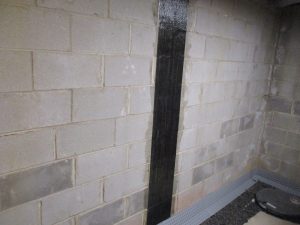 Imagine:
- Your basement wall slowly bending inward, like a bow, under the relentless push of the earth outside.
- Cracks appearing on your walls, like a web of worry lines, signaling the stress they’re under.
- Your once smooth and straight walls resembling a gentle curve, a silent cry for help.
It’s crucial to address these signs as ignoring them could lead to significant structural damage. Fortunately, there are several bowed wall solutions available.
- Wall anchors: These are installed to support and straighten the wall.
- Reinforcement beams: They’re used to counteract the pressure causing the bowing.
- Carbon fiber strips: These can halt further bowing and stabilize the wall.
External Visual Changes to Structure
Shifting your attention from the interior to the exterior of your home, let’s consider the external visual changes to your structure. You might tend to overlook them, but these signs could be vital indicators of foundation settling. This is the process where your home sinks into the ground over time, and it’s not something you should ignore.
Check for visible cracks on your home’s exterior walls. These lines might be small, but they’re big red flags that your foundation is moving. Vertical cracks are less severe, but horizontal or stair-step cracks could mean serious structural integrity issues.
Look at your windows and doors too. Are they sticking or hard to open? That’s often a sign of foundation trouble.
Also, pay attention to the overall shape of your house. If it seems uneven or tilting, it’s a clear signal that your foundation has shifted.
Lastly, check the exterior bricks or blocks for separation or displacement. Any noticeable gaps or bulges could be signs of foundation settling.
Frequently Asked Questions
What Are Some Preventative Measures for Foundation Problems?
To prevent foundation problems, you’ve got to manage soil moisture levels around your home.
Ensure it’s consistently moist, not too dry or wet.
Install proper drainage solutions to avoid water pooling near your foundation, which can cause damage over time.
Regularly inspect your home’s exterior for cracks or shifts.
Staying proactive’s the key.
Don’t ignore minor issues; they can escalate into major ones.
How Frequently Should a Homes Foundation Be Inspected?
You should inspect your home’s foundation at least once a year.
However, if you’re noticing signs of settlement, like cracks in the walls or doors that won’t close properly, you might want to do it more often.
Frequent inspections can help you catch potential problems early, saving you a lot of time, hassle, and money in the long run.
Always stay vigilant for any changes and don’t hesitate to call a professional if needed.
Can Foundation Issues Decrease My Homes Resale Value?
Absolutely, foundation issues can decrease your home’s resale value.
The market perception of a house with foundation problems isn’t good, and potential buyers might be scared off. They’ll likely lower their offers to account for potential repair costs.
So, it’s crucial to address any foundation issues as soon as you spot them to maintain your property’s value.
What Are the Dangers of Ignoring Minor Foundation Problems?
Ignoring minor foundation problems can lead to major issues in your home.
You might notice small signs at first, like cracked walls and uneven floors.
Don’t overlook these! They’re indicators of bigger issues lurking beneath.
If you disregard these, you’re risking structural instability, expensive repair costs, and even potential safety hazards.
It’s much wiser and cost-effective to address these concerns early before they escalate.
Is It Safe to Live in a House With Foundation Problems?
No, it’s not safe to live in a house with foundation problems.
These issues compromise your home’s foundation stability and affect its structural integrity. Over time, they worsen, leading to significant damage.
You might notice cracks, doors not closing correctly, or uneven floors. Don’t disregard these signs; they’re your home telling you it needs help.
Always consult a professional to assess and fix any foundation issues. Your safety depends on it.
Don’t let your home suffer from foundation problems. Keep an eye out for uneven floors, wall or ceiling cracks, and sticking doors or windows. Watch for water damage and basement leaks, bowed walls, and external structural changes. Ignoring these signs can lead to serious damage. Stay vigilant, monitor these issues regularly, and keep your home safe and sound. Remember, early detection can save you from costly repairs. You’ve got this, homeowner!

20 + years of experience! – It’s hard to find another company like ours. Our team of experts have decades of experience in residential and commercial construction, plumbing, masonry, and carpentry skills. Not just waterproofing …
5 Star Customer Satisfaction Guarantees! – We receive many compliments on our level of professionalism, cutting edge materials, hard working crews, cleanliness, and customer service: which is something hard to find in our industry. Our goal is to exceed your expectations from start to finish! We are here to alleviate your anxiety and will work our hardest to make sure that all of your concerns are achieved 100%.
