
Consider this: you’re keen on waterproofing your home, but you’re unsure about the best time to undertake this crucial task. Fall, with its moderate temperatures and lower humidity, offers an ideal environment for waterproofing. The consistent weather allows for better adhesion of materials, while the decreased rainfall minimizes environmental impact. Planning your waterproofing project for the fall also ensures your home is ready to withstand the rigors of winter. But there’s more to it than just picking a season, right? What other factors should you consider for successful waterproofing in the fall?
Key Takeaways
- Fall’s lower humidity levels enhance material adherence and drying for waterproofing tasks.
- Moderate fall temperatures reduce material expansion and contraction, improving waterproofing reliability.
- Fall weather is more consistent, preventing rapid drying or improper setting of waterproofing materials.
- Lower rainfall in fall improves moisture resistance, reducing environmental impact of waterproofing projects.
- Fall offers optimal time to create a comprehensive waterproofing plan before winter arrives, enhancing home value and structural integrity.
Understanding Home Waterproofing
Dampness in your basement isn’t just an annoyance; it’s a sign that your home may need waterproofing. This process, often referred to as damp proofing, is all about protecting your home’s foundation from water damage.
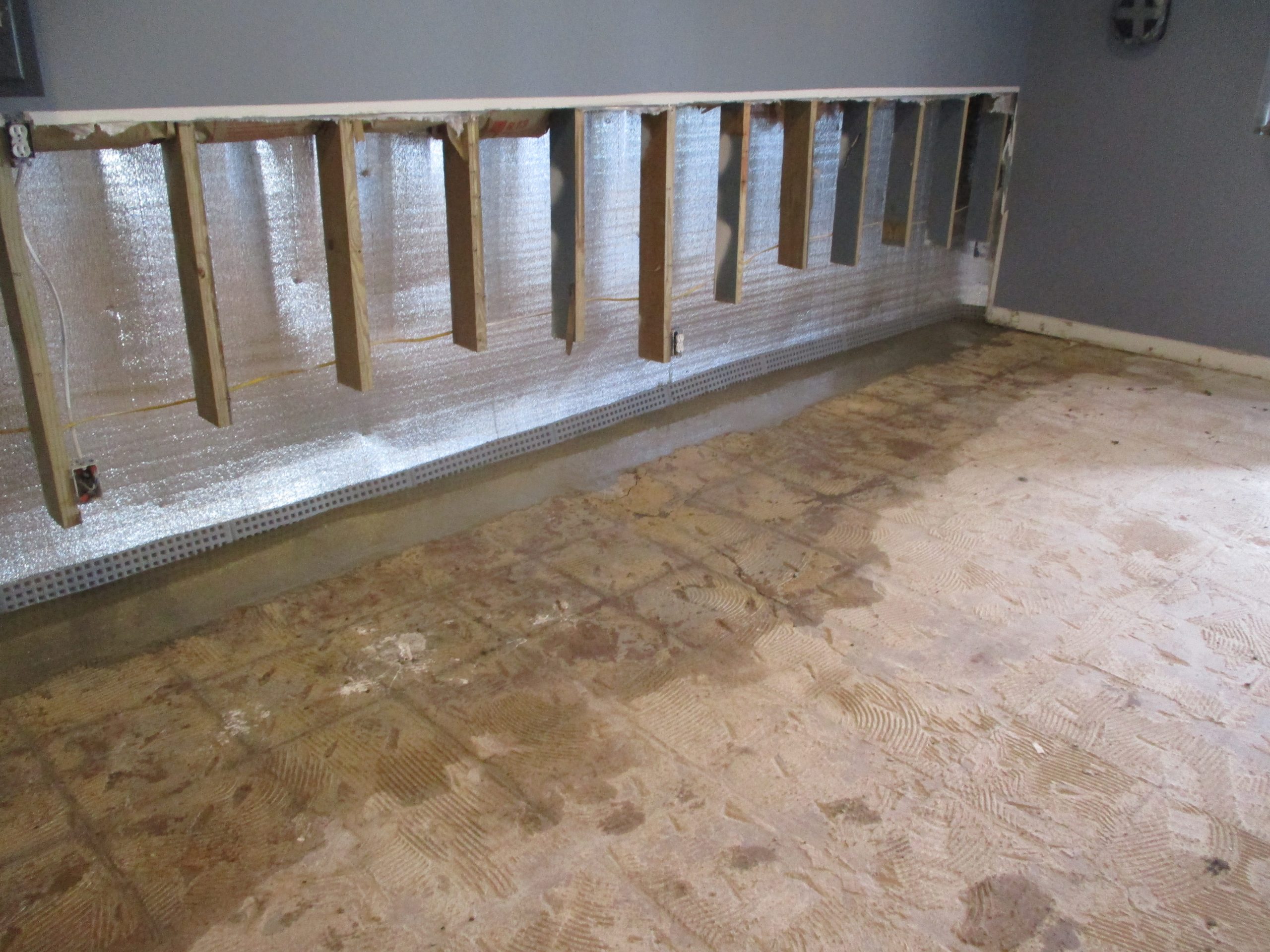
Foundation sealing is key in preventing leaks and moisture buildup. It involves applying exterior coatings and surface treatments to create an impervious barrier that keeps water out.
But sealing your foundation isn’t the only way to prevent leaks. You also need to consider the installation of drainage systems and sump pumps, which work to divert water away from your home. These systems are crucial for effective leak prevention and basement protection.
Moisture barriers are another important aspect of home waterproofing. They’re installed on the interior or exterior of your home’s foundation and create a waterproof membrane that prevents moisture from penetrating your basement walls.
Fall Weather: The Waterproofing Advantage
As the leaves start to change and temperatures drop, fall presents the best opportunity for waterproofing your home. This season comes with unique weather conditions that play a significant role in the success of your waterproofing project.
One major advantage that fall brings is the lower humidity levels. When humidity is low, the waterproofing materials adhere better to surfaces and dry more effectively. This ensures a strong, durable seal against water. Additionally, temperature fluctuations are less severe in the fall, which helps to prevent the expansion and contraction of waterproofing materials. This makes the waterproofing more reliable and long-lasting.
To help you better understand, let’s look at a table that compares fall weather with other seasons for waterproofing:
| Season | Advantage for Waterproofing |
|---|---|
| Spring | High humidity, inconsistent weather |
| Summer | High temperatures may cause materials to dry too quickly |
| Fall | Lower humidity levels, less temperature fluctuations |
| Winter | Too cold for materials to adhere and dry properly |
Preparing for Winter: The Need for Waterproofing
Heading into winter without adequate waterproofing is like venturing into a snowstorm without a coat; you’re simply not prepared for what’s to come.
It’s an essential part of winter preparation that you can’t afford to overlook. Just as you’d layer up to keep the cold out, your house needs a similar kind of protection against the weather elements.
Waterproofing techniques vary, but the goal remains the same: to create a barrier that repels water, preventing it from seeping into your home.
This is especially vital during winter, when snow and ice pose a significant threat. Without proper waterproofing, these elements can infiltrate your home, causing damage and creating a damp, uncomfortable living environment.
The Science Behind Fall Waterproofing
You might wonder why fall is the optimal time for waterproofing.
It’s all about understanding weather patterns, how waterproofing material performs, and the benefits of timely waterproofing.
Let’s discuss these points to give you a clear picture of the science behind fall waterproofing.
Understanding Weather Patterns
Delving into the science behind fall waterproofing, let’s first explore the patterns of weather. You see, weather fluctuations and climate impact play a crucial role in determining the best time for waterproofing.
Fall presents a unique combination of conditions that are ideal for waterproofing. Unlike the hot, dry summer or the harsh, cold winter, fall offers moderate temperatures and humidity levels. These conditions not only make the application process easier but also ensure optimal performance of waterproofing materials.
Understanding the basics of weather patterns can help you plan your waterproofing projects. Let’s look at a simple table:
| Season | Climate Impact |
|---|---|
| Summer | High temperatures can cause materials to dry out too quickly. |
| Fall | Moderate temperatures and humidity are ideal for waterproofing. |
| Winter | Cold conditions can hinder the curing process. |
| Spring | Rainy weather may affect application and dry time. |
Waterproofing Material Performance
While the performance of waterproofing materials largely depends on their quality, it’s safe to say that weather conditions significantly impact their efficacy.
Fall’s temperate climate provides ideal conditions for membrane durability and sealant effectiveness. It’s not so hot that your sealant dries too quickly, nor too cold that it doesn’t set properly.
Temperature tolerance is crucial because extreme heat or cold can affect the material longevity of waterproofing products.
Moreover, moisture resistance is more effective in fall, as this season typically has less rainfall, reducing the risk of water infiltrating your substrate.
When you consider application techniques and product comparisons, you’ll find that many waterproofing materials demonstrate better substrate compatibility in fall’s balanced conditions.
Furthermore, performance tests have shown that environmental impact is reduced when waterproofing is done in mild weather.
Here are a few things to remember:
- Fall’s moderate temperature enhances membrane durability and sealant effectiveness
- Waterproofing materials show better moisture resistance and material longevity in fall
- Application techniques are more effective in fall’s conditions
- Performance tests indicate reduced environmental impact during fall
Benefits of Timely Waterproofing
Although it may seem counterintuitive, fall waterproofing offers a slew of benefits that go beyond just protecting your property. Let’s unravel these advantages.
Firstly, timely waterproofing is crucial for mold prevention. When you waterproof your home in the fall, you’re essentially creating a barrier that prevents moisture from seeping into your walls. This moisture control is key to stopping mold growth, which can wreak havoc on your home and health.
Secondly, fall waterproofing provides foundation protection. By preventing water from infiltrating your foundation, you’re averting potential structural damage, thus maintaining your property’s value. It’s an essential part of home maintenance that can save you from costly repairs down the line.
Seasonal readiness is another benefit of fall waterproofing. With your home fortified against the elements, you’re ready for the wet and cold winter months. It enhances insulation efficiency, keeping your home warm, dry, and cozy.
Finally, waterproofing can deter pests. Many insects and rodents are attracted to damp environments. By controlling moisture, you’re making your home less appealing to these unwelcome visitors.
In short, fall waterproofing is a smart step for property maintenance, value, and comfort.
Essential Waterproofing Tips for Fall
Preparing your home for the fall season involves more than just raking leaves and pumpkin decorations. Waterproofing your abode is crucial, especially as temperatures drop and the rains set in.
Let’s go over some essential fall waterproofing tips to keep you dry and cozy.
First, it’s vital to address exterior drainage solutions. The goal is to keep water away from your foundation. Install or repair gutters and downspouts, ensuring they lead water away from your home.
Next, examine your home for cracks. Different sealant types are best suited for different cracks, so do your research or consult a professional. Applying the right sealant can save you from potential damage and costly repairs.
To help you out, here’s a quick rundown in markdown format:
- Inspect and repair gutters and downspouts for efficient drainage
- Identify and seal cracks using the appropriate sealant
- Check the grading around your house; it should slope away from the foundation
- Consider a professional inspection for peace of mind
Common Fall Waterproofing Mistakes
You’ve now got a handle on key waterproofing methods to keep your home dry this fall, but it’s just as important to be aware of common mistakes that can undermine your efforts.
One major pitfall is neglecting leaky basements. You might think a small trickle is harmless, but it can lead to moisture buildup and serious foundation cracks over time.
Drainage issues are another common oversight. Improperly installed gutters can lead to roof leaks and water damage. Always ensure your gutters are clear and directing water away from your home.
Improper sealing is a huge mistake. It might seem like a quick fix to slap some sealant on a crack, but if it’s not done right, it’s pointless. Sealants can fail, leading to more serious issues down the line.
Don’t forget about insulation. Inadequate insulation can lead to moisture buildup and subsequently, mold growth. Make sure your home is well-insulated, especially in areas prone to dampness.
Lastly, remember to properly maintain your sump pump. It’s your home’s first line of defense against flooding, but it’s useless if it’s not working correctly. Regular checks can save you a lot of trouble in the long run.
Finding Professional Waterproofing Services
Now that you’re aware of common fall waterproofing mistakes, it’s time to turn your attention to finding professional waterproofing services.
The process of choosing your waterproofing expert can be a game changer for the success of your project.
We’ll also touch on the cost of these services so you can budget effectively.
Choosing Your Waterproofing Expert
When it’s your home on the line, choosing the right waterproofing expert becomes a critical task. You don’t want to hand over such an important job to just anyone. You’ll want to ensure your chosen expert has the right qualifications, extensive waterproofing experience, positive service reviews, and can meet your project timelines.
Here are a few things to consider:
- Expert qualifications: Check their credentials. Are they certified? Do they’ve the necessary training?
- Waterproofing experience: How many years have they been in the field? What types of projects have they handled?
- Service reviews: Look online or ask for references. What do past clients say about their work?
- Project timelines: Can they finish the work in a timely manner without compromising quality?
Also, remember to consider local regulations and warranty options. You want to be sure your project complies with any local building codes.
Plus, a good warranty can give you peace of mind. Choosing the right expert isn’t just about cost, it’s about ensuring the job is done right the first time.
Cost of Waterproofing Services
Let’s dive into the cost of waterproofing services. As you navigate through this process, it’s crucial to conduct a cost analysis. This helps you understand the pricing factors affecting the total invoice.
Consider this table for a clear service comparison:
| Service | Initial Cost | Long Term Savings |
|---|---|---|
| Basic Sealant | $ | $$$ |
| Professional Waterproofing | $$ | $$$$ |
| Advanced Waterproofing with Maintenance | $$$ | $$$$$ |
As you can see, different services come with different costs and long-term savings. While a basic sealant might seem cheaper, professional waterproofing services may offer more value assessment.
Budget considerations are important, but don’t just look at the immediate price tag. Consider the long-term savings you’ll get from a well-done job. It might cost more upfront, but the peace of mind and potential savings from avoiding future damage could be invaluable.
Frequently Asked Questions
Can Waterproofing Be Done During Other Seasons?
Sure, you can waterproof during any season.
However, each has its own challenges. Summer’s heat can dry materials too fast, while winter’s cold can make them brittle. Spring’s heavy rains can interrupt the work.
Fall offers seasonal advantages, like moderate temperatures and less rain. It’s ideal for using various waterproofing techniques, ensuring they’re applied properly and effectively.
What Kind of Maintenance Does Waterproofing Require Post-Application?
After applying waterproofing, it’s essential you maintain it.
Regular post-application inspections are a must. You’re looking for any cracks or wear that might compromise the seal.
Seasonal considerations also play a part. For instance, after a harsh winter, check for freeze-thaw damage.
Or, following a hot summer, inspect for dry-out.
It’s not just ‘set it and forget it’, there’s continued upkeep to ensure your waterproofing stays effective.
How Long Does the Waterproofing Process Typically Take?
The duration of your waterproofing process generally depends on the size of the area you’re treating.
On average, you’re looking at a few days for application and drying.

However, weather conditions can interfere, as rain or high humidity prolong drying times.
You’ll want to check the forecast and plan accordingly.
Are There Any Potential Hazards Associated With Waterproofing Materials?
Yes, there can be hazards associated with waterproofing materials.
It’s crucial you perform a hazard assessment before starting. Some products contain toxic chemicals that can harm you or the environment.
You’ve got to handle these materials with care, use proper safety equipment, and ensure good ventilation.
It’s also important to choose materials wisely, considering the pros and cons, to minimize risks.
Always follow manufacturer’s instructions and safety guidelines.
Does Home Insurance Typically Cover Waterproofing Services?
You’re probably wondering if your home insurance covers waterproofing services.
It’s important to note that insurance policies vary greatly. Typically, they don’t include coverage for preventative measures like waterproofing. They’re more likely to cover damage after it’s occurred, not preventative steps.
However, every policy has its own coverage limitations, so it’s best to check directly with your insurance provider to understand what’s included in your specific plan.
So, you see, fall really is the perfect time to waterproof your home. The mild weather helps materials stick better and dry at an optimal pace. Plus, you’re safeguarding your home from winter’s harsh conditions. Avoid common pitfalls by seeking professional help if you’re unsure. Remember, an ounce of prevention in the fall can save you a ton of headache (and potential water damage) when winter rolls around. Happy waterproofing!

20 + years of experience! – It’s hard to find another company like ours. Our team of experts have decades of experience in residential and commercial construction, plumbing, masonry, and carpentry skills. Not just waterproofing …
5 Star Customer Satisfaction Guarantees! – We receive many compliments on our level of professionalism, cutting edge materials, hard working crews, cleanliness, and customer service: which is something hard to find in our industry. Our goal is to exceed your expectations from start to finish! We are here to alleviate your anxiety and will work our hardest to make sure that all of your concerns are achieved 100%.
