

Waking up to a flooded basement isn’t exactly how you’d like to start your day, is it? However, before you panic, it’s important to understand the steps you should take to manage this situation effectively. Let’s consider the initial actions, from safety assessments to contacting your insurance company. But what about the cleanup? And how can you prevent this from happening again? Hang tight, as we’re about to explore these issues and more. There’s a wealth of knowledge to be gained from such an unfortunate incident.
Key Takeaways
- Prioritize safety by turning off electricity and gas, then assess the flood damage from a safe distance.
- Document the damage thoroughly with detailed photographs for insurance claims.
- Begin immediate water removal using buckets, mops, or a wet/dry vacuum, and dry the area with fans or dehumidifiers.
- Clean and disinfect all surfaces, and consult an electrician for inspection of electrical outlets and appliances.
- Contact your insurance company promptly to initiate the claim process and discuss necessary next steps for repair and prevention.
Assessing the Situation Safely
When you first discover your basement is flooded, it’s crucial to prioritize safety above all else. Don’t rush blindly into the situation. Flood causes can vary, from plumbing mishaps to extreme weather conditions, and each comes with its unique risks.
If it’s a minor flood, you might be tempted to wade in immediately. But remember, there could be hidden dangers underwater. A hasty step can lead to injuries from sharp objects, or you might damage something valuable. So, take a moment, grab a flashlight, and inspect the area from a safe distance.
Basement maintenance plays a significant role in ensuring your safety. Regular checks can prevent major catastrophes. If you’ve been neglecting this, now’s a good time to start. Look for signs of water entry points, cracks in the walls, or faulty plumbing.
In case of a significant flood, it’s best to call in professionals. They can assess the damage, identify the flood causes, and guide you on your next steps.
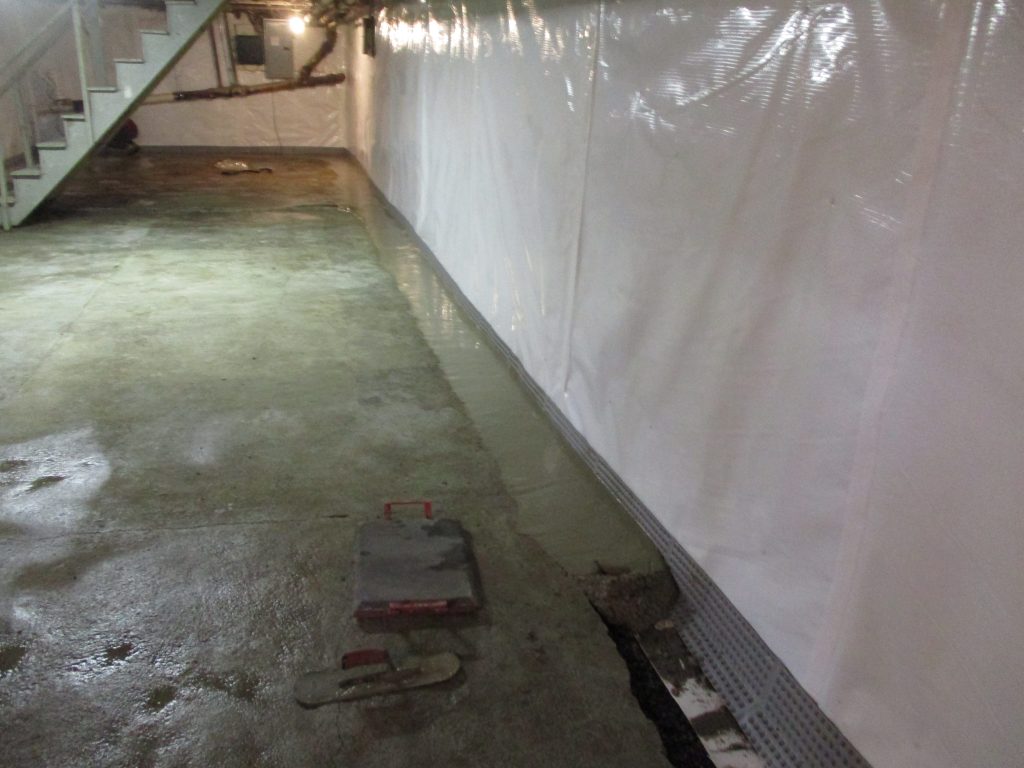
Protecting Yourself Before Cleanup
Before you start the cleanup, it’s crucial to ensure your safety.
You’ll need certain protective gear to guard against potential hazards.
Let’s also not forget about checking for structural damage that could cause further complications.
Safety Measures Pre-Cleanup
Taking the plunge into flood cleanup can be dangerous if you don’t equip yourself properly. Before you even think about tackling the mess, prioritize your safety. First, make sure you’ve got your emergency contacts at hand. This includes numbers for local authorities, your insurance agent, and a reputable flood cleanup company.
Speaking of insurance, now’s the time to gather your flood insurance documents. Know your policy inside and out, understand what’s covered and what’s not. This will help you avoid any surprises down the road. If you’re unsure about something, don’t hesitate to call your agent. They’re there to help you navigate the process.
Next, ensure your home’s electricity and gas are turned off. Water and electricity don’t mix, and you don’t want to risk a gas leak. If you’re unsure about how to do this, call a professional. Don’t try to handle it yourself.
Essential Protective Gear
Your safety is paramount in a basement cleanup operation. It’s crucial to equip yourself with the appropriate protective gear before you start. Jumping into action without the right equipment might seem like a good idea, but it can put you at risk.
The first thing you need is waterproof clothing. This isn’t just about keeping you dry; it’s about protecting your skin from potentially hazardous substances. Flood water is often contaminated with sewage, chemicals, and other harmful substances. Long-sleeved waterproof clothing, such as a raincoat or overalls, will keep your skin covered and protected.
Next, don’t forget your feet. You’ll want sturdy rubber boots to keep your feet dry and safe from sharp objects that might be hidden under the water. Boots with a thick sole are best—they’ll give you good traction in slippery conditions.
Finally, remember that safety gear also includes gloves and a mask. Gloves will protect your hands from sharp objects and contaminants, while a mask can help you avoid breathing in harmful particles.
In short, don’t take any chances. You’re dealing with more than just water here. So gear up, stay safe, and then you can get to work.
Assessing Structural Damage
Countless potential hazards lurk in a flooded basement, making it crucial to assess any structural damage before diving into the cleanup process. Your first task is to inspect the structural integrity of the basement. Don’t rush this. Take your time and be thorough.
Look out for any cracks or shifts in the foundation. These are signs that the foundation stability has been compromised, and you’ll have to call in a professional for repair. Be extra vigilant with walls that are bulging or leaning, as they pose a severe risk and may collapse.
Check the flooring too. If you see signs of unevenness, it could mean the water has seeped into the foundation, causing it to shift. This isn’t a situation to ignore; it needs immediate attention.
Now, turn your focus on the ceiling. Look for any signs of sagging or cracks; these are indicators of potential damage to the building’s structure.
Also, pay attention to the smell. A musty or mouldy odour can indicate hidden water damage.
Documenting the Damage
Once you’ve ensured your safety, it’s crucial to start documenting the damage.
Begin with an initial assessment, noting the general scope and severity of the flood impact.
Then, don’t forget to take detailed photos of the damage – these will be invaluable when it comes time to file an insurance claim.
Initial Damage Assessment
Surveying the wreck in your basement after a flood can be overwhelming. However, it’s critical to start your initial damage assessment right away.
You’ll need to figure out what’s salvageable and what isn’t, but more importantly, you’ll need to discern what caused the flood in the first place.
Look closely at the watermarks on the walls and floor. Their height and spread can clue you in on where the water came from. If the flooding was due to heavy rainfall, you might want to consider drainage solutions to prevent future incidents.
Pay attention to the state of your belongings, too. Did the water reach your stored items or appliances? These details are crucial for insurance claims and for deciding on flood prevention measures.
Assess your basement’s structure. Check for any cracks, seepage, or other signs of damage. Remember, floodwater can weaken foundations and warp floors, necessitating immediate repairs.
While this process is daunting, it’s necessary. Completing an initial damage assessment not only sets the stage for cleanup and recovery but also aids in implementing effective flood prevention strategies.
Stay strong, and remember, you’re not alone in this.
Detailed Photographic Evidence
A significant step in dealing with a flooded basement is capturing detailed photographic evidence of the damage. This isn’t just for your personal records. It’s crucial to have this photographic documentation when filing an insurance claim or working with a restoration company.
Start by taking wide shots of the overall space to capture the full extent of the flood. It’s important to get clear images showing the water’s highest level. Then, focus on specific areas where water damage is evident. Take close-ups of any structural damage, mold growth, or ruined possessions. Don’t forget to photograph the source of the water if it’s visible.
Remember, your photographic documentation should be as detailed as possible. It’s better to have too many photos than not enough. Use a good light source and try to avoid shadows that could obscure details.
Keep in mind, this flood assessment isn’t just about the physical damage. It’s also about the potential safety hazards. Document any exposed electrical wires or unstable structures.
Contacting Your Insurance Company
Immediately after discovering a flooded basement, your next move should be to contact your insurance company.
Don’t delay this step; speed is critical in the claim process. Understanding your insurance policy will be key in this situation.
While on the call with your insurer, make sure you’re clear on what your policy covers. Policies can vary greatly, so it’s important to understand what type of water damage is covered.
Also, inquire about the claim process timeline. The sooner you start, the better.
Your insurer will likely ask for the following information:
- The date of the damage
- The location of the damage
- A general description of what happened
- Whether temporary repairs are needed
Be ready to provide these details.
Also, always ask your insurer what steps to take next. They might instruct you to take certain measures before their adjuster arrives to assess the damage.
Removing the Water
After reaching out to your insurance company, your next step is to begin removing water from your basement.
You’ve got various water extraction methods at your disposal. The more traditional way is to use buckets, mops, and towels, but this can be time-consuming and labor-intensive.
If you’ve got a deep flood, consider renting or buying a wet/dry vacuum. They’re designed to suck up water, making the job quicker and easier.
However, if your basement’s prone to flooding, investing in a sump pump could be a smart move.
Sump pump options range from pedestal pumps, which are easier to service but may not last as long, to submersible pumps, which are quieter and more efficient but can be more expensive.
A sump pump works by collecting excess water in a sump basin and pumping it away from your home, preventing it from causing damage.
Drying and Dehumidifying the Area
Once you’ve removed all the water, it’s crucial to thoroughly dry and dehumidify the area to prevent mold growth and further water damage.
Drying techniques differ depending on the severity of the flood, but you should start by opening windows and doors to increase air circulation.
Next, consider your dehumidifier options. A large-capacity dehumidifier can be invaluable for drawing out the remaining moisture from the air, your walls, and other structures.
Remember, it’s not just about drying the visible parts of your basement; it’s also about ensuring the humidity level is adequately controlled.
Consider these steps to speed up the process:
- Use fans and heaters to speed up the drying process.
- Absorb moisture with desiccants like silica gel or calcium chloride.
- Always empty the dehumidifier’s water container regularly.
- Consider renting or buying a sump pump if you regularly experience flooding.
Cleaning and Disinfecting Surfaces
Wondering what to do next? Now, it’s time to get down to the nitty-gritty: cleaning and disinfecting surfaces. This step is crucial, not only to make your basement look good as new but also for mold prevention and surface sanitization.
Start by removing any remaining debris. Then, clean all surfaces using a heavy-duty cleaner. You’ll want to scrub thoroughly, ensuring you get into all the nooks and crannies.
Don’t forget about the walls and any furniture that may have been affected.
Once everything’s clean, it’s time to disinfect. This is where surface sanitization comes into play. Use a disinfectant suitable for the materials in your basement. If you’re unsure, there are plenty of multi-surface options available.
But, it’s not just about killing germs. Disinfecting also helps with mold prevention. Mold loves damp, dark places, and a recently flooded basement is a perfect breeding ground.
Make sure you air out the basement well after cleaning and disinfecting to help keep mold at bay.
Checking Electrical Systems
Having tackled the cleaning and disinfecting, it’s crucial to turn your attention to checking the electrical systems in your basement. When it comes to electrical safety, you can’t be too careful. Wet electrical systems can pose serious hazards, so it’s important to inspect everything thoroughly.
Here are some key steps for a successful circuit inspection:
- Turn off your main power: If it’s safe to do so, cut the power at the main breaker. You don’t want electricity flowing to a wet basement.
- Get professional help: Don’t try to handle electrical issues on your own. Call a professional electrician to assess the damage.
- Inspect outlets and switches: Check for signs of water damage. If they’re wet, they’ll need to be replaced.
- Look at your appliances: If any appliances were in the flood, they could be dangerous. Have them checked by a professional before using them again.
Preventing Future Basement Floods
To prevent future basement floods, it’s crucial to understand why they occur in the first place. Typically, floods can be a result of heavy rainfall, improper grading, or issues with your drainage solutions.
So, take a closer look at your home’s landscape. If your yard slopes towards your home instead of away, you’re encouraging water to flow into your basement. You’ll need to regrade your yard to divert water away from your home.
Next, consider your drainage solutions. Are they doing their job correctly? Gutters and downspouts should carry water at least six feet away from your home’s foundation. If they’re not, you’ll need to extend or adjust them.
Finally, consider installing a sump pump. This device collects excess water and pushes it away from your home. It’s a great solution if you’re experiencing frequent flooding.

Frequently Asked Questions
Can I Stay in My Home While the Flooded Basement Is Being Repaired?
Yes, you can stay in your home while repairs are being made, provided the flooding hasn’t reached harmful levels.
However, there can be health concerns like mold and mildew. If your safety’s at risk, consider temporary housing. It’s better to be cautious.
Will Home Insurance Cover the Cost of Damaged Personal Items in the Basement?
Yes, often home insurance policies do cover the cost of damaged personal items.
However, it’s important you check your policy’s specific terms and conditions. Not all items may be covered and coverage limits will apply.
If you’re uncertain, contact your insurance provider for clarification.
It’s always good to have a detailed inventory of basement contents in case of such events.
In the future, consider additional coverage if you’re storing valuable items downstairs.
How Long Does the Process of Restoring a Flooded Basement Typically Take?
The restoration timeline for a flooded basement can vary.
It’s largely dependent on the severity of the flood and the drying techniques used. Typically, you’re looking at a few days to a week for water extraction and drying.
But remember, this doesn’t include repair work for any damage. So, you’ll need to factor in additional time for that.
It’s a process that can’t be rushed if you want it done right.
What Are Some Signs of Structural Damage Due to a Basement Flood?
You’ll want to look for visible warping or distortion in walls, ceilings, or floors, indicating water damage.
Cracks in your foundation are a serious sign of structural damage.
Look out for mold growth too, as it’s a clear sign of water infiltration.
Doors or windows that don’t open as they should could mean water has caused shifting.
Always pay close attention to any unusual odors or stains, this could signal a hidden issue.
Should I Hire Professional Cleaners, or Can I Do the Cleaning and Disinfection Myself?
You can certainly tackle the cleaning yourself if you’ve got the right cleaning supplies and know proper disinfection methods.
However, remember it’s a big job and could pose health risks if not done correctly.
Hiring professionals ensures a thorough job and eliminates potential hazards.
They’ve got the experience, equipment, and knowledge to handle this properly.
So, if your basement’s flooded overnight, don’t panic. Assess the situation from a safe distance, then start cleanup. Document everything, call your insurance company, and start getting rid of the water. Dry, dehumidify, and disinfect the area, check your electrical systems, and start thinking about how to prevent future floods. Be proactive, take necessary precautions, and you’ll be able to handle any unexpected basement flooding with ease.

20 + years of experience! – It’s hard to find another company like ours. Our team of experts have decades of experience in residential and commercial construction, plumbing, masonry, and carpentry skills. Not just waterproofing …
5 Star Customer Satisfaction Guarantees! – We receive many compliments on our level of professionalism, cutting edge materials, hard working crews, cleanliness, and customer service: which is something hard to find in our industry. Our goal is to exceed your expectations from start to finish! We are here to alleviate your anxiety and will work our hardest to make sure that all of your concerns are achieved 100%.
