
Ever noticed a damp smell or peeling paint in your basement? Chances are your waterproofing system is becoming outdated. Particularly if it’s over a decade old, it might not be up to par in handling heavy rainfall or potential flooding, leaving you at risk for water damage or mold growth. But how can you be confident it’s time for an upgrade? Let’s explore some telltale signs and discuss how modern solutions can guarantee lasting protection for your home’s foundation.
Key Takeaways
- Recognize signs of outdated waterproofing like visible dampness, mold, and a persistent musty smell in your basement.
- Evaluate your current system’s effectiveness, especially if it’s over a decade old, by checking for leaks or moisture buildup.
- Understand the risks of an outdated system, such as increased chances of water damage, mold growth, and potential decline in property value.
- Consider modern solutions like advanced leak detection and high-quality materials, ensuring long-term effectiveness, durability, and cost-benefit.
- Seek professional assistance for accurate assessment, tailored solutions, and guidance on regular maintenance post-upgrade.
Understanding Basement Waterproofing
Despite the common misconception, basement waterproofing isn’t just a one-time procedure, but an essential home maintenance task. You might’ve thought that once you’ve waterproofed your basement, it’s done for good. However, that’s not the case. Like most other things in your home, your basement’s waterproofing system can wear out over time, requiring upgrades or replacements.
Now, you may be wondering, why is basement waterproofing important? Simply put, it safeguards your home from water damage. Basements, by their very nature, are prone to dampness and leaks. Water can seep in through cracks in the walls or floors, or even from condensation. If left unchecked, this moisture can lead to a host of problems, like mold growth, structural damage, and decreased property value.
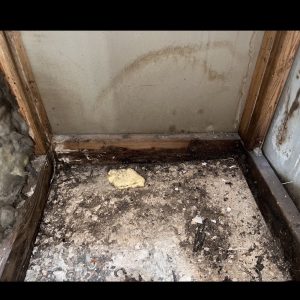
In addition, proper waterproofing can also help maintain a healthy living environment. Excess moisture can lead to poor indoor air quality, which can trigger allergies or asthma in sensitive individuals.
Thus, ensuring that your basement is effectively waterproofed isn’t just about maintaining the structural integrity of your home, but also about safeguarding your family’s health. So, consider it as an investment, not an expense.
Common Signs of Outdated Systems
You may wonder what signs indicate an outdated basement waterproofing system.
The first thing to look for is the condition of the existing waterproofing.
It’s also essential to understand the risks associated with keeping an outdated system in place.
Identifying Old Waterproofing
It’s not always easy to tell when your basement waterproofing system is outdated. However, there are a few tell-tale signs you can look out for to help you identify if your system is due for an upgrade.
Firstly, check for visible signs of moisture or dampness on walls or floors. This can suggest your current waterproofing isn’t doing its job properly. If you notice peeling paint or warped woodwork, it could be due to an ineffective waterproofing system.
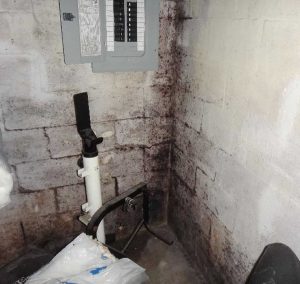
Mold and mildew are also indicators of excess moisture, so be sure to check hidden corners and crevices.
Another sign is a persistent musty smell. This odor often indicates the presence of mold or mildew, which can thrive in damp conditions. While a dehumidifier can help, it’s not a permanent solution if your waterproofing system is failing.
Lastly, if your basement seems unusually cold, it might be due to moisture seeping in. Cold air can hold less moisture, so a damp basement often feels colder.
If you’re noticing these signs, it may be time to contemplate upgrading your basement waterproofing system.
Risks of Outdated Systems
Nearly every outdated waterproofing system poses a significant risk to your home.
You’re fundamentally inviting water damage and mold growth, two nightmares you don’t want to tackle. Old systems can’t keep up with heavy rainfall or flooding, which means your basement’s likely to get wet.
What’s worse, as the system ages, it’s more prone to failure, leaving you with a damp, moldy basement and potentially thousands of dollars in damage.
Imagine waking up to a flooded basement after a storm. Your belongings are ruined, and the structural integrity of your home is in jeopardy.
Mold growth, a common issue with water damage, can lead to health problems like allergies and respiratory issues. You’re also likely to see a drop in your property’s value.
Don’t ignore the signs of an outdated system. If you’re seeing constant dampness, water stains, or a musty smell, it’s time to upgrade.
Consequences of Neglecting Upgrades
Ignoring necessary basement waterproofing upgrades can lead to a multitude of problems. The most immediate, and perhaps most notable, is water damage. Your basement walls and floors may become compromised, causing unsightly stains, weakening your home’s foundation, and even making your space uninhabitable.
You’ll be dealing with costly repairs that could have been avoided with timely upgrades.
If that’s not bad enough, the damp conditions favor mold growth, which can pose serious health risks. Exposure to mold can trigger allergies, asthma attacks, and other respiratory problems.
You don’t want to gamble with your family’s health, do you?
Moreover, neglecting upgrades can lower your property value considerably. An outdated, leaky basement isn’t exactly a selling point.
Prospective buyers may be turned off by the potential costs and hassle of fixing it.
Lastly, you might face higher insurance premiums. Many policies don’t cover water damage due to a lack of maintenance, meaning you’ll have to shell out from your own pocket.
Evaluating Your Current Waterproofing
Before you decide to upgrade, it’s essential to evaluate your current waterproofing.
Pay attention to any signs of deterioration, as these can indicate that your basement’s protection may be failing.
Conduct a thorough assessment of your waterproofing system to establish its efficacy and determine whether an upgrade is needed.
Signs of Deterioration
Water damage, a homeowner’s worst nightmare, can be the first sign of deteriorating basement waterproofing. But, let’s not jump to conclusions. There are other signs you should be on the lookout for.
Is your basement unusually damp or humid? Do you notice a musty smell? These are key indicators of a potential issue. Cracks in the walls or floor can also signal a failing waterproofing system. If you see water pooling or spots of mold, don’t ignore it. It’s a clear call for immediate attention.
Here’s a quick table to help you understand some common signs of deterioration:
| Signs | What It Means |
|---|---|
| Dampness | Excess moisture due to inadequate waterproofing |
| Musty Smell | Growth of mold or mildew due to dampness |
| Cracks | Prolonged water exposure causing structural damage |
| Water Pooling | Severe water leakage |
| Mold Spots | Persistent dampness leading to mold growth |
Waterproofing System Assessment
Evaluating your current waterproofing system is an essential step in determining whether it’s time for an upgrade.
Whether you’ve noticed signs of water damage or not, a regular check could save you from future headaches.
Start by examining the basement walls and floors.
Are they dry, or do you notice damp spots, efflorescence, or mold growth?
If you see any of these signs, it’s a clear indication that your waterproofing isn’t up to par.
Next, check the condition of your sump pump.
It’s a key component that directs water away from your house.
If it’s not functioning correctly, it’s time for a repair or replacement.
Also, assess the age of your waterproofing system.
Like any other home component, it has a lifespan.
If it’s been over a decade, you might want to think about an upgrade.
Finally, reflect on your peace of mind.
Are you constantly worried every time it rains that your basement will flood?
If so, it’s worth investing in a more reliable waterproofing system.
Key Features of Modern Solutions
You might be wondering what modern basement waterproofing solutions have to offer. Well, they’re far superior to their older counterparts. They’re designed to guard against mold, mildew, and structural damage, keeping your home safe and dry.
One of the key features of modern solutions is their ability to detect and address leaks more efficiently. Newer systems incorporate sensors that trigger alarms when water levels rise, alerting you to potential problems. This way, you’re not left guessing or inspecting your basement regularly.
Another significant feature is the use of high-quality, durable materials. Modern waterproofing systems often utilize robust plastics and polymers that are resistant to water, rust, and decay. They’re designed to withstand extremes of temperature and humidity, ensuring long-lasting protection.
Moreover, modern solutions are also eco-friendly. Many new systems are designed to minimize water usage and energy consumption, making them more sustainable and cost-effective in the long run.
Lastly, you’ll find that modern systems are often easier to install and maintain. They’re designed with simplicity and convenience in mind, saving you time and effort in the long run.
Steps to Upgrade Your Waterproofing
Before diving into the process, it’s important to understand that upgrading your basement waterproofing isn’t a one-size-fits-all task. Each basement has unique requirements depending on its condition, design, and the severity of water damage.
However, there are some general steps you can follow to guarantee your basement stays dry and safe.
- Evaluate the Current System: Identify the issues with your current waterproofing system. Is it outdated or simply ineffective?
- Hire a Professional: Waterproofing can be complex. Professionals have the knowledge and equipment to do it right.
- Choose the Right Solution: Depending on your basement’s condition, you might need interior or exterior waterproofing, or both. The professional will help you decide.
- Prepare for the Upgrade: This might involve removing old paint or sealant, drying out the basement, or fixing structural issues.
- Maintenance: After the upgrade, regular maintenance can prevent future problems.
Don’t wait until it’s too late to upgrade your basement waterproofing. If you spot signs of dampness, peeling paint, or a musty smell, it’s time to take action. Neglect can lead to water damage and mold growth. Evaluate your current system, look for modern solutions, and make the necessary changes. Your property’s integrity depends on it. Always remember, a dry basement is a happy basement!

20 + years of experience! – It’s hard to find another company like ours. Our team of experts have decades of experience in residential and commercial construction, plumbing, masonry, and carpentry skills. Not just waterproofing …
5 Star Customer Satisfaction Guarantees! – We receive many compliments on our level of professionalism, cutting edge materials, hard working crews, cleanliness, and customer service: which is something hard to find in our industry. Our goal is to exceed your expectations from start to finish! We are here to alleviate your anxiety and will work our hardest to make sure that all of your concerns are achieved 100%.
