
You’ve probably heard about the dangers of mold growth in your home, particularly in basements. But have you considered how basement waterproofing could be your most effective defense against it? By controlling the moisture levels in your basement, you’re greatly reducing the risk of mold proliferation. Now, you might wonder, how exactly does this process work and what specific benefits does it provide, not just in preventing mold growth, but also in maintaining the overall health of your home? Well, let’s explore that further.
Key Takeaways
- Basement waterproofing reduces moisture levels, inhibiting mold growth in damp environments.
- Both interior and exterior waterproofing methods prevent water intrusion, decreasing humidity that fosters mold proliferation.
- Waterproofing protects the structural integrity of homes, preventing dampness-induced weakening that can lead to mold development.
- Regular maintenance of waterproofed basements, including sump pumps and gutters, helps keep the area dry and mold-free.
- Basement waterproofing improves air quality by preventing the spread of mold spores, safeguarding health.
Understanding Mold and Its Dangers
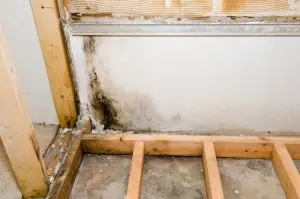
Mold isn’t just an unsightly nuisance; it’s a health hazard. You may experience allergic reactions like sneezing, runny nose, red eyes, and skin rash. Asthma sufferers might notice an increase in attacks. Mold can even produce toxic substances called mycotoxins that can lead to serious health issues.
Mold damages your home, too. It feeds on organic material, meaning your wooden structures, drywall, and even carpets aren’t safe. Over time, it can cause considerable structural damage that’s costly to repair.
Don’t underestimate the power of mold. It’s not simply a matter of aesthetics; it’s about preserving your health and your home.
Take action if you suspect a mold problem. Bring in a professional who can properly diagnose the situation, and take the necessary steps to rid your basement of this unwelcome guest. Your health and your wallet will thank you for it.
The Link Between Basements and Mold
Why are basements such a hotbed for mold growth? The answer lies in the unique conditions that basements provide.
Basements are often dark, damp, and cooler than other parts of the house, making them an ideal breeding ground for mold spores. When you neglect to waterproof your basement, you’re fundamentally inviting mold to set up shop. Not only can this cause health issues for you and your family, it can also damage your home’s structural integrity.
Let’s break down the contributing factors and their effects:
| Contributing Factor | Effect on Mold Growth |
|---|---|
| Darkness | Mold thrives in dark environments. |
| Dampness | Moisture encourages mold spores to multiply. |
| Cool Temperatures | Mold tends to grow better in cooler conditions. |
| Neglected Waterproofing | Without proper waterproofing, water seepage can lead to mold growth. |
| Poor Ventilation | Lack of ventilation promotes dampness and mold growth. |
The Role of Humidity in Mold Growth
Believe it or not, humidity plays a huge role in mold growth. It’s not just about having a damp basement; it’s about the moisture in the air.
Why does humidity matter so much? Here’s a simple breakdown:
- Mold Spores: Mold spores are everywhere. They’re in the air you breathe and on the surfaces you touch. However, they need the right conditions to grow. High humidity provides that perfect environment.
- Nutrient Absorption: In high humidity, mold can absorb nutrients from the air. This helps them multiply and spread faster.
- Moisture: Mold needs moisture to grow. It doesn’t need a flood; even the slightest bit of moisture from high humidity can suffice.
- Prevention: Reducing humidity can greatly curtail mold growth. It’s one of the most efficient ways to combat this issue in your basement.
In essence, humidity is like fuel for mold growth. Without it, mold struggles to thrive.
That’s why it’s essential to keep your basement dry and your humidity levels in check. Remember, a little prevention now can save a lot of headache later on.
Basement Waterproofing Methods
To shield your basement from unwanted moisture and the potential mold growth that comes with it, choosing the right waterproofing method is vital. Now, you’ve got several options to pick from, and each comes with its unique benefits.
Firstly, you can opt for interior waterproofing. This method, also known as water control, doesn’t stop the water from entering your basement. Instead, it manages the water that gets in and guides it back outside. It’s usually the most cost-effective method and involves installing drains and sump pumps.
Secondly, there’s exterior waterproofing. This method is more intensive and prevents water from making its way into your basement in the first place. It entails applying a waterproof coating or membrane to the outside of your basement walls, which can be a bit pricey but offers long-term protection.
Lastly, you might consider a combination of both methods, using interior waterproofing for immediate water control and exterior waterproofing for long-term prevention.
Benefits of a Waterproofed Basement
Investing in basement waterproofing can offer you a treasure trove of benefits.
It’s not just about keeping your basement dry, but it also adds value in several other ways.
Here are the top four benefits that you’ll enjoy with a waterproofed basement:
- Increased Property Value: Waterproofing your basement makes your property more appealing to prospective buyers. It’s a smart upgrade that can potentially increase your home’s resale value.
- Energy Efficiency: A damp basement can lead to higher humidity levels in your home, causing your HVAC system to work harder. With waterproofing, you’ll reduce humidity, and your energy bills might decrease as a result.
- Additional Living Space: With a dry, waterproofed basement, you’ve got an additional room that can be transformed into a home gym, office, or even a guest room.
- Protection of Personal Belongings: If you’re using your basement for storage, waterproofing protects your belongings from water damage.
In essence, waterproofing your basement isn’t just a maintenance task—it’s an investment that pays off in the long run.
The Impact of Waterproofing on Mold Prevention
You might be wondering how waterproofing impacts mold prevention in your basement.
Let’s first get a grasp on what exactly mold growth entails and the various methods of waterproofing.
Then, we’ll connect the dots between waterproofing and mold prevention, giving you a clearer picture of how the two are intertwined.
Understanding Mold Growth
Beneath the surface of your lovely home, in the dampness of your basement, mold could be silently growing.
It’s a hidden intruder that you wouldn’t want to entertain. You might be wondering why mold loves your basement.
Here are four reasons:
- Moisture: Mold spores thrive in damp environments. Your basement can easily become damp due to condensation, leaks, or floods.
- Food Source: Mold feeds on organic materials, such as wood, cardboard, or fabrics often found in basements.
- Poor Ventilation: Basements generally have less airflow compared to other parts of the house, making it difficult for moisture to evaporate.
- Darkness: Mold grows best in the dark, and basements often lack natural light.
Waterproofing Methods Explained
Countless homeowners have discovered that waterproofing their basements can make a significant impact on preventing mold growth. You may be asking, “What methods of waterproofing are there?” Well, there are several, and they’re not as complicated as you might think.
First off, you’ve got interior waterproofing. This method involves using sealants and coatings to prevent moisture from getting into your basement. It’s a cost-effective approach but it’s more of a temporary solution and won’t stand up to serious leaks.
Next, there’s exterior waterproofing. This is a more thorough and effective solution, as it stops water from ever reaching your basement walls. However, it’s also more expensive and involves excavating around your home.
Finally, there’s drainage. This can be interior or exterior and involves redirecting water away from your home. It’s a great preventative measure and often used in combination with other methods.
To make it simple, here’s a quick comparison:
| Method | Pros | Cons |
|---|---|---|
| Interior | Cost-effective, Easy to apply | Temporary, Not for serious leaks |
| Exterior | Very effective, Long-lasting | Expensive, Involves excavation |
| Drainage | Preventative, Versatile | Requires regular maintenance |
Connection: Waterproofing and Mold
Ever wondered how waterproofing your basement can help inhibit mold growth? Well, you’re about to discover just how essential this process can be in the fight against these pesky fungi.
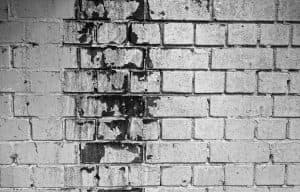 Let’s explore the connection between waterproofing and mold prevention.
- Moisture Control: Waterproofing helps to greatly reduce moisture levels in your basement.
It’s basic biology – mold thrives in damp environments. By eliminating this key factor, you’re creating an environment where mold struggles to grow.
- Humidity Reduction: Along with moisture control, waterproofing also reduces humidity levels.
High humidity is a mold’s best friend, so by reducing it, you’re striking a deadly blow to any potential infestations.
- Structural Protection: By waterproofing your basement, you’re protecting the structural integrity of your home.
Dampness can weaken structures and promote mold growth in the building materials.
- Improved Air Quality: Finally, without mold, your home’s air quality improves greatly.
Mold spores in the air can cause serious health problems, so by preventing its growth, you’re safeguarding your family’s health.
Maintaining Your Waterproofed Basement
Now that your basement is waterproofed, it’s essential to keep it that way.
Regular inspections are key to ensuring that your waterproofing stays in top shape.
We’ll provide you with handy maintenance tips to help you protect your investment and prevent mold growth.
Routine Basement Inspections
Vigilance is your best ally in maintaining your waterproofed basement. Regular inspections can prevent unseen issues from escalating into major problems.
Don’t wait for a crisis; be proactive and make routine checks part of your home maintenance plan.
Here are four key elements to inspect routinely:
- Check for Moisture: Even a small amount of moisture can lead to mold growth. Look for damp spots on walls, floors, and ceilings. Use a moisture meter if you’re uncertain.
- Inspect the Walls: Look for cracks or signs of seepage. These could indicate problems with your waterproofing system.
- Monitor the Sump Pump: Your sump pump is essential in keeping your basement dry. Make sure it’s working properly and isn’t clogged with debris.
- Examine Outdoor Drainage: Verify gutters, downspouts, and grading direct water away from your foundation.
Waterproofing Maintenance Tips
Dive headfirst into the essential task of maintaining your waterproofed basement with a few handy tips.
It’s not rocket science, but it’s vital to prevent mold growth. Your first step should be to regularly check your basement for any signs of water leakage. This could be damp spots, peeling paint, or even a musty smell.
Next, make certain your sump pump is in working order. It’s your first line of defense against water intrusion, so don’t neglect it. You should test it several times a year, and after heavy rain. If it’s not working, get it repaired immediately.
Lastly, don’t forget about your gutters and downspouts. They play a major role in directing water away from your home’s foundation. Clean them out regularly and verify they’re properly aligned.
So, you’ve learned how basement waterproofing is key in preventing mold growth. By managing moisture and humidity, you’re not only safeguarding your home’s structure, but also promoting healthier living conditions. Remember, waterproofing isn’t a one-time thing. Maintain your systems regularly to keep mold at bay. It’s a small investment for the immense benefits you’ll reap. Don’t let mold ruin your home’s integrity or your health. Start your basement waterproofing journey now!

20 + years of experience! – It’s hard to find another company like ours. Our team of experts have decades of experience in residential and commercial construction, plumbing, masonry, and carpentry skills. Not just waterproofing …
5 Star Customer Satisfaction Guarantees! – We receive many compliments on our level of professionalism, cutting edge materials, hard working crews, cleanliness, and customer service: which is something hard to find in our industry. Our goal is to exceed your expectations from start to finish! We are here to alleviate your anxiety and will work our hardest to make sure that all of your concerns are achieved 100%.