

Ever thought you could waterproof your basement without the hassle of excavation? Think again. By using interior waterproofing methods from applying sealants and paints to installing sump pumps—you can effectively block moisture entry. It’s not only possible, but it’s also a practical and cost-effective solution. But, as with anything, there’s a right way to go about it. So, what are the steps for this process and how can you maintain a dry basement? Let’s explore this together.
Key Takeaways
- Interior waterproofing methods allow basement waterproofing without excavation, addressing existing water issues.
- A thorough inspection is needed to identify moisture sources, enabling appropriate interior waterproofing solutions.
- Waterproofing from inside involves steps like cleaning, applying sealant, installing a vapor barrier, and possibly adding a sump pump.
- Necessary materials for interior waterproofing include waterproofing paint, concrete sealers, crack injections, and waterproofing membranes.
- Regular maintenance like crack checks, gutter cleaning, humidity monitoring, and professional inspections ensures long-lasting waterproofing.
 The Importance of Basement Waterproofing
Diving into the world of home improvement, you’ll quickly realize the significance of basement waterproofing. It’s not just about keeping your basement dry; it’s a vital step in protecting the structural integrity of your home.
Start by imagining your basement as a fort, defending against an enemy. The enemy? Water. Without a solid defense, water can seep into the basement, causing a slew of problems.
You’ll start noticing a musty smell, a sign of mold and mildew growth. This isn’t just unpleasant; it’s a health hazard, especially for those with allergies or respiratory conditions.
Beyond health concerns, unchecked water ingress can damage your house’s foundation. As water seeps into the concrete, it can freeze during colder months, expanding and causing cracks.
These cracks can grow over time, threatening the stability of your home.
Understanding Your Basement’s Moisture Issues
Before you start waterproofing, you need to understand your basement’s moisture issues. It’s crucial to identify the source of the problem, as this will guide your waterproofing efforts and help determine the ideal solution.
First, consider what type of moisture issue you’re dealing with. Is it condensation, seepage, or an outright leak? Condensation usually forms in cold spots and can be identified by damp walls. Seepage, on the other hand, is more subtle and could be due to groundwater infiltrating through your walls. An outright leak is more severe and can be identified by water dripping or flowing into your basement.
Next, figure out where the water is coming from. Is it entering your basement from the outside, or is it a problem with internal plumbing? Inspect your basement thoroughly for signs of water entry points. Look for damp spots, staining, or cracking on the walls or floor.
Whether it’s condensation, seepage, or a leak, the key to effectively waterproofing your basement lies in understanding your moisture issues. Without this understanding, you’re just throwing solutions at a problem without knowing if they’ll stick.
Waterproofing Solutions: Interior Vs Exterior
Let’s talk about your options when it comes to waterproofing solutions: Interior and Exterior.
First, we’ll shed light on the ins and outs of interior waterproofing, then we’ll move on to explaining how exterior waterproofing works.
Understanding Interior Waterproofing
Grasp the concept of interior waterproofing as we compare it to exterior solutions. You’ve got to understand that unlike external methods, interior waterproofing tackles water issues from inside your home. This is ideal if you’re looking to avoid an extensive, costly excavation project.
As you opt for interior waterproofing, you’re fundamentally dealing with water that’s already made its way into your basement. Solutions include sealants, water-resistant paints, and interior drains. Sealants and paints aren’t just cosmetic fixes; they fill in pores and cracks to help prevent future leaks. Furthermore, they can reduce humidity levels, making your basement a more comfortable living space.
Interior drains, on the other hand, work by redirecting water from your basement to a sump pump system. This is a more all-encompassing solution that can capture water from both wall and floor leaks, ensuring your basement stays dry.
However, you should note that interior methods mightn’t solve the root cause of water entry. They’re more of a reactive approach, dealing with water once it’s inside, rather than preventing entry in the first place.
But for many homeowners, they’re a practical and less intrusive choice.
Exterior Waterproofing Explained
Exterior waterproofing, on the other hand, is your first line of defense against water seeping into your home. It’s a method that focuses on preventing water from making its way into your basement in the first place.
Exterior waterproofing solutions typically include the installation of drainage systems or waterproof membranes on the outside of your home’s foundation. These systems work by diverting water away from your home, reducing the chance of it penetrating your basement walls.
For example, a waterproof membrane can be applied to your home’s exterior walls, creating a physical barrier against water intrusion. This method is highly effective, but it’s also more labor-intensive and costly compared to interior waterproofing.
Drainage systems, on the other hand, can include French drains or gutter systems that channel water away from your foundation. These are less intrusive and can be easier to install, but they may require regular maintenance to keep them working effectively.
Choosing Between Both Methods
When deciding between interior and exterior waterproofing solutions, your choice largely depends on your specific situation.
You’ll need to evaluate factors like your budget, the severity of the water problem, and the structural condition of your basement.
If you’re dealing with minor dampness or occasional leaks, an interior waterproofing solution might be enough.
It’s less invasive and typically more affordable than exterior methods. You can apply coatings and sealants, install a sump pump, or use a dehumidifier to control moisture levels.
On the other hand, if you’re facing significant water intrusion or structural damage, an exterior waterproofing solution could be the way to go.
It’s more extensive and expensive, but it addresses the problem at its source by preventing water from entering the basement walls.
You’ll need to apply a waterproof barrier, install a drainage system, and possibly do some landscaping to direct water away from your home.
Steps to Waterproof Your Basement From Inside
Diving into the process of waterproofing your basement from the inside, you’ll find it’s a task that demands precision and careful planning.
Here’s a brief outline to guide you through the steps:
- Investigate for Cracks or Leaks: Start by inspecting the walls and floor of your basement. Note any cracks or water leaks, no matter how small they may seem.
- Clean the Area: It’s crucial to verify the area is clean and free of dust or debris. This will allow for better adhesion of waterproofing materials.
- Apply a Sealant: Using a roller, apply a waterproofing sealant to the walls and floor. Make sure it’s evenly distributed and covers every corner.
- Install a Vapor Barrier: This plastic or foil sheet will prevent moisture from seeping through the walls.
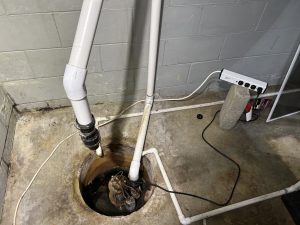
- Consider a Sump Pump: If your basement is particularly prone to flooding, installing a sump pump can help to manage water levels.
Necessary Materials for Internal Basement Waterproofing
You’re about to discover the essential materials for internal basement waterproofing.
We’ll look at how to select the right waterproofing products and give you a brief overview of the installation process.
It’s about being prepared and knowing what you need before you start.
Choosing Waterproofing Products
Steering through the sea of waterproofing products can feel overwhelming. But don’t worry, you’ve got this. Your choice of products will largely depend on the type of moisture problem you’re facing and the condition of your basement.
Here’s a list of some key products you might want to contemplate:
- Waterproofing paint: This is usually the first line of defense. It’s easy to apply and can seal minor cracks and condensation problems.
- Concrete sealers: These penetrate into the concrete and form a waterproof barrier. They’re great for preventing seepage through walls and floors.
- Crack injections: These are ideal for sealing cracks in your basement walls. They can also be used to fill gaps around pipes and windows.
- Waterproofing membranes: These are sheets of waterproof material that are attached to the interior surface of the basement walls.
- Interior drainage systems: These systems collect water that enters the basement and channels it to a sump pump, which pumps the water out of the basement.
Installation Process Overview
Initiating the journey of internal basement waterproofing requires a thorough understanding of the installation process and the necessary materials.
You’ll need waterproofing paint or sealant, a paint roller or brush, a concrete patch, a dehumidifier, and a sump pump if you’re dealing with significant water issues.
Begin by cleaning your basement walls and floors thoroughly. If there are cracks or holes, fill them with concrete patch. Once it’s dry, apply the waterproofing paint or sealant.
You’ll want to apply multiple coats to guarantee a solid barrier against water. Make sure you let each coat dry completely before applying the next one.
Now, let’s talk about maintaining a dry environment. That’s where your dehumidifier comes in. This machine will pull excess moisture from the air, helping to keep your basement dry.
If your basement is prone to flooding, a sump pump is a must. It’ll pump out any water that collects in your basement.
Maintaining Your Waterproof Basement
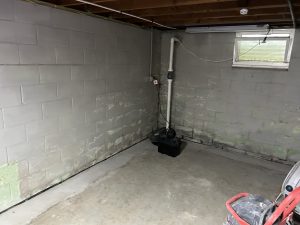 Once your basement is waterproofed, maintaining it should be your top priority.
It’s not just about preserving the work done, but also about guaranteeing your home’s safety and longevity.
Remember, your efforts shouldn’t stop at waterproofing; upkeep is equally important.
Here are five practical tips to maintain your waterproof basement:
- Regularly check for cracks or leaks. Despite waterproofing, wear and tear may cause minor damages. Spotting these early can save you from significant repair costs.
- Keep your gutters clean. Clogged gutters can lead to water seeping into your basement. Make sure water is directed away from your home’s foundation.
- Monitor the humidity levels. Use a dehumidifier if necessary. This helps prevent dampness, mold, and mildew.
- Inspect your sump pump regularly. Verify it’s working correctly, especially during heavy rains.
- Schedule periodic professional inspections. They’ll perform a thorough check and address potential issues.
Maintaining your waterproof basement doesn’t have to be an intimidating task.
By staying vigilant and following these steps, you’ll keep your basement dry and your home safe and sound.
After all, prevention is always better and cheaper than cure.
Potential Challenges and Solutions
While waterproofing your basement without excavation is a viable solution, it’s not without its fair share of challenges. You might encounter issues such as ineffective sealing, moisture seepage, and material degradation. But don’t worry; there are solutions.
Here’s a table to help you understand these challenges and how to tackle them:
| Challenge | Potential Causes | Solutions |
|---|---|---|
| Ineffective Sealing | Incorrect application of sealant | Use the correct type and amount of sealant. |
| Moisture Seepage | Cracks in walls or floors | Inspect and repair any cracks. |
| Material Degradation | Age and wear on materials | Regularly check and replace materials as needed. |
| High Humidity | Poor ventilation, lack of dehumidifiers | Ensure good ventilation and consider using a dehumidifier. |
| Structural Damage | Water damage, soil pressure | Consult with a structural engineer. |
Finding Professional Help if Needed
If the challenges of waterproofing your basement seem overwhelming, it may be time to call in a professional.
But how do you go about finding the right one? Don’t worry, we’re here to help.
Firstly, look for a professional with a solid reputation. Online reviews, word of mouth, and local directories can provide invaluable insight.
Ensure they not only have experience, but also expertise in basement waterproofing. Their portfolio should show a history of successful waterproofing projects.
Here are a few steps to guide your search:
- Do your research: Look into various companies, compare their services, prices, and reviews.
- Ask for references: A reputable service provider won’t hesitate to provide these.
- Check for licenses and insurance: These protect you in case of any mishap during the project.
- Get a detailed quote: This should include the scope of work, materials used, and cost.
- Look for a guarantee: A trustworthy professional will back up their work with a warranty.
Absolutely, you can waterproof your basement without excavation. By using the right sealants, managing water with a sump pump, and maintaining low humidity levels, you’ll keep your basement dry and free from damage. Regular inspections and upkeep are essential to this process. Don’t hesitate to seek professional help if you need it. Remember, a waterproof basement not only protects your home but also adds value to your property.

20 + years of experience! – It’s hard to find another company like ours. Our team of experts have decades of experience in residential and commercial construction, plumbing, masonry, and carpentry skills. Not just waterproofing …
5 Star Customer Satisfaction Guarantees! – We receive many compliments on our level of professionalism, cutting edge materials, hard working crews, cleanliness, and customer service: which is something hard to find in our industry. Our goal is to exceed your expectations from start to finish! We are here to alleviate your anxiety and will work our hardest to make sure that all of your concerns are achieved 100%.
