
Have you ever considered the link between the dampness in your home and the onset of asthma symptoms? Waterproofing your home isn’t just about preventing structural damage, it’s a proactive step towards warding off health issues as well. By controlling moisture, you’re effectively inhibiting mold and mildew growth, known triggers for asthma. Think about the implications for your kitchen, bathroom, and particularly your basement. Interested? There’s more to this connection that might surprise you.
Key Takeaways
- Waterproofing reduces dampness and humidity, preventing growth of asthma triggers like mold and mildew.
- It creates a healthier living environment by improving air quality, reducing risk of asthma attacks.
- Essential areas for waterproofing include basements, bathrooms, kitchens, and laundry rooms.
- Beyond health benefits, waterproofing prevents structural damage and reduces costly repairs, making it a financial investment.
- Professional waterproofing services offer expertise, ensuring thoroughness and effectiveness against moisture-related issues.
 Understanding Asthma Triggers
Asthma triggers are like invisible invaders, lurking in your surroundings and waiting for the right moment to strike. They’re not the same for everyone, but some common culprits include dust mites, pollen, mold, pet dander, and certain chemicals.
Your immune system recognizes these triggers as harmful, even if they’re not. It then overreacts, causing your airways to narrow and leading to an asthma attack.
You can’t see them, but you can certainly feel them. It’s like walking through a field with invisible landmines. One wrong step, one deep breath, and kaboom! You’re wheezing, coughing, and struggling for air. It’s not a pleasant experience, and it’s why you’ve got to know your triggers.
Knowledge is power. By identifying what sets off your asthma, you can avoid those triggers and reduce the likelihood of an attack.
Regular medical check-ups can also help manage your symptoms. Don’t underestimate the power of prevention. It’s a lot easier to stop an asthma attack from happening than it’s to treat one.
The Connection Between Dampness and Asthma
In the world of asthma triggers, dampness often lurks in the shadows, undetected yet extremely harmful. You might not consider a bit of moisture a major threat, but it’s proven to be a significant asthma instigator. Unlike other triggers, dampness isn’t always obvious. It can hide in your home, silently contributing to your symptoms.
Scientific studies have linked dampness to the rise in asthma cases, with wet conditions fostering the growth of asthma triggers. Dampness can infiltrate various parts of your house, from the basement to the bathroom, creating an environment that aggravates your airways.
Here’s a snapshot of how dampness affects your house and health:
| Dampness in Home | Impact on Health |
|---|---|
| Moisture in walls | Possible increase in respiratory issues |
| Wet basements | Asthma exacerbation |
| Damp bathrooms | Elevated risk of asthma development |
How Mold Exacerbates Asthma Symptoms
You might be wondering how mold impacts your asthma.
It’s a valid concern, as mold can indeed worsen your asthma symptoms.
Let’s discuss this further and examine ways to prevent mold-induced asthma.
Mold’s Impact on Asthma
Stealthily creeping into your living spaces, mold poses a significant threat to individuals grappling with asthma. This sneaky intruder thrives in damp, humid environments and once it takes hold, it’s hard to eradicate. It’s not the mold itself but the spores it releases that can exacerbate your asthma.
These airborne spores can trigger an asthma attack when inhaled, leading to a tightening of the airways and difficulty breathing. You might also experience wheezing, coughing, and a feeling of pressure in your chest. Prolonged exposure to mold can even lead to the development of asthma in individuals who didn’t previously have the condition.
| Asthma Symptom | Triggered by Mold Spores | Potential Impact |
|---|---|---|
| Wheezing | Yes | Difficulty Breathing |
| Coughing | Yes | Irritation and Discomfort |
| Chest Pressure | Yes | Difficulty Breathing |
Preventing Mold-Induced Asthma
Fighting mold-induced asthma starts with understanding how mold exacerbates asthma symptoms. Mold growth, often stimulated by damp and humid conditions, releases tiny spores into the air.
When you breathe in these spores, your immune system sees them as invaders and triggers an allergic reaction. This reaction can lead to inflammation and narrowing of your airways, making it difficult for you to breathe.
So, what can you do to prevent this? Waterproofing your home is a key step. By preventing water seepage, you’re limiting the areas where mold can thrive.
Fix leaks promptly, guarantee good ventilation in bathrooms, kitchens, and laundry areas, and use dehumidifiers if necessary.
Don’t forget about your home’s exterior too. Gutters and downspouts should be kept clear to prevent water from seeping into the walls or foundation.
Waterproof paint can also be a useful barrier.
The Role of Waterproofing in Asthma Prevention
The battle against asthma triggers begins in the most unexpected places – your home’s waterproofing. This hidden defense mechanism is your first line of protection against dampness and humidity, known culprits in promoting mold and mildew growth.
Mold spores are a common irritant for asthma sufferers; therefore, eliminating their breeding ground becomes vital. By waterproofing your home, you’re effectively creating a barrier that shields you from these potential asthma triggers.
It’s not a cure, but it’s a significant step in managing and preventing asthma symptoms. This method not only guarantees a drier environment but also a healthier living space for you and your family.
Think about waterproofing as a proactive measure, an investment in your health. It’s a simple concept, but its benefits are far-reaching.
Remember, asthma isn’t just about wheezing and shortness of breath; it’s about the quality of life. By reducing triggers, you’re gaining control, not just of your asthma, but of your life.
The role of waterproofing in asthma prevention is undeniable. It’s an essential part of your strategy to fight asthma triggers, right there in your home.
Comprehensive Guide to Home Waterproofing
You’re about to learn how essential home waterproofing is, and the various techniques and materials you can use.
Not only does it protect your home, but it can also play a significant role in preventing asthma triggers.
Let’s start exploring how you can make your home a safe haven against these triggers.
Understanding Home Waterproofing Importance
Believe it or not, a whopping 85% of homes in the United States have problems with water damage.
Now, you might be wondering, “What’s this got to do with me?” Well, if you’re part of the 25 million Americans suffering from asthma, it’s got everything to do with you.
You see, water damage isn’t just a structural issue. It’s also a health hazard. When water seeps into your home, it creates a damp environment perfect for mold and mildew growth. These allergens are notorious triggers for asthma attacks.
Home waterproofing isn’t simply about maintaining your home’s value; it’s about preserving your health. It’s a preventive measure against these hidden threats. It helps establish a dry and mold-free environment that’s safe for you and your family.
So, don’t underestimate the importance of home waterproofing. It’s more than just a home improvement project; it’s an investment in your health.
It’s the barrier that keeps water out and prevents those asthma-inducing allergens from gaining a foothold in your home.
Waterproofing Techniques and Materials
Now that we’ve established the significant link between home waterproofing and asthma prevention, let’s get down to the nitty-gritty.
You’ve got a wide range of waterproofing techniques at your disposal, each suited to different situations and budgets.
Firstly, you’ve got sealants and coatings. These are ideal for preventing water ingress in basements and other below-ground areas. They’re easy to apply, but remember, they’re not a one-stop solution. They need regular maintenance to remain effective.
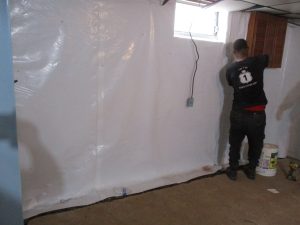
Next up is the cavity drain membrane system. This involves the fitting of a waterproof membrane to the interior surfaces of your walls and floors. It’s a bit more involved, but it’s a robust solution that’ll give you long-term peace of mind.
Then you’ve got tanking. This is a full-on waterproof barrier that’s applied to the inside of your property. It’s labor-intensive but offers the highest level of protection.
All these techniques use specific materials, each with their pros and cons. You’ve got everything from cementitious coatings to liquid silicone.
It’s all about finding the right balance between cost, longevity, and effectiveness. And remember, professional advice is essential to make the right choice.
Preventing Asthma With Waterproofing
Waterproofing your home might seem like a formidable task, but it’s a critical step in safeguarding your family’s health, particularly for those with asthma.
Moisture in the home can encourage the growth of mold and mildew, common triggers for asthma attacks. By waterproofing your home, you’re creating a drier environment where these triggers can’t thrive.
Start by identifying areas prone to dampness – basements, bathrooms, kitchens, and laundry areas. Use waterproofing sealants, paints, or membranes to keep these areas dry.
You may also need to repair any leaks in your roof, walls, or plumbing to prevent water intrusion.
Humidity levels should ideally stay below 50%. To achieve this, you might want to invest in a dehumidifier.
This device can greatly reduce moisture levels, making your home less hospitable to asthma triggers such as dust mites and mold.
 Professional vs. DIY Waterproofing Solutions
 Professional vs. DIY Waterproofing Solutions
Comparing professional and DIY waterproofing solutions can be a real challenge.
You’re probably wondering which route is best for your home. Let’s break it down.
DIY waterproofing can be cost-effective. You’ll only need to buy the materials and give your time. It’s a good solution if you’re handy and have experience with home repairs.
But it’s not without pitfalls. If you don’t apply the waterproofing correctly, you could end up with gaps that allow moisture in, potentially aggravating asthma triggers.
On the other hand, professional waterproofing might seem costly upfront, but you’re paying for expertise. Pros know where to look for potential issues, and they’ve got the skills to guarantee that every nook and cranny is properly sealed.
If you’re not familiar with waterproofing, or if your home has complex structures, you might find that going pro is worth the investment.
Long-Term Benefits of Waterproofing Your Home
By investing in waterproofing, you’re not only safeguarding your home against potential damages but also ensuring a healthier living environment in the long term. The absence of dampness reduces the growth of mould and mildew, which are common asthma triggers. You’re also reducing the risk of structural damage, saving yourself from costly repairs.
Consider the following table, which illustrates the long-term benefits of waterproofing:
| Benefit | Description | Impact |
|---|---|---|
| Health | Prevents growth of mould and mildew, reducing asthma triggers | Enhances overall wellbeing |
| Structural Integrity | Reduces risk of damage to walls and foundation | Prevents costly repairs |
| Property Value | Improves and maintains home value | Provides financial benefits |
So, you see, waterproofing isn’t just about keeping your home dry. It’s about your health too. By reducing dampness and mold, you’re also cutting down on asthma triggers. Whether you choose professional or DIY solutions, the benefits are undeniable. So, why not take that step? Waterproof your home and breathe easier knowing you’re creating a healthier environment for you and your loved ones. After all, a little prevention can go a long way.

20 + years of experience! – It’s hard to find another company like ours. Our team of experts have decades of experience in residential and commercial construction, plumbing, masonry, and carpentry skills. Not just waterproofing …
5 Star Customer Satisfaction Guarantees! – We receive many compliments on our level of professionalism, cutting edge materials, hard working crews, cleanliness, and customer service: which is something hard to find in our industry. Our goal is to exceed your expectations from start to finish! We are here to alleviate your anxiety and will work our hardest to make sure that all of your concerns are achieved 100%.
