

You’re weighing your options for backup pump systems and find yourself torn between battery-powered and water-powered pumps. Each has its own merits, you see. Battery-powered pumps offer dependability during power outages, yet demand regular battery replacements. Meanwhile, water-powered pumps, though reliant on a steady water supply, promise minimal maintenance. It’s a choice influenced by factors such as your budget, maintenance comfort level, and local regulations. So, stay with me, as we explore further into these considerations to help you make an informed decision.
Key Takeaways
- Battery-powered pumps work during power outages but require frequent battery replacements and maintenance.
- Water-powered pumps rely on water pressure and need minimal maintenance but may waste water and require good water supply.
- Initial costs are lower for battery-powered pumps, but long-term costs include battery replacements.
- Water-powered pumps have higher upfront costs, with operating costs varying based on water usage.
- Consider power availability, water usage, maintenance needs, and budget when choosing between battery and water-powered backup pumps.
Understanding Backup Pumps
 Dive right into the world of backup pumps. You’re probably familiar with primary pumps, your first line of defense against water accumulation in your basement.
But what happens when these fail? You’re left knee-deep in water, right? That’s where backup pumps step in.
Backup pumps are your safeguard, your plan B when the primary pump fails or power outages occur. They kick into action automatically when the primary pump can’t keep up with the water inflow or is out of commission.
Think of them as your basement’s silent protector, always on standby, ready to step in when needed.
There are two main types you’ll come across: battery-powered and water-powered backup pumps. Each of these has its unique features, benefits, and potential drawbacks.
Your choice between the two will depend on your specific needs and circumstances.
Remember, having a backup pump isn’t a luxury, it’s a necessity. It’s an insurance policy against potential water damage that could cost you thousands in repairs.
You wouldn’t want to be caught off guard, would you?
Now, you’re ready to explore the specifics of each type, starting with battery-powered pumps. But that’s a story for another day.
Battery-Powered Pumps: Pros and Cons
When you’re in the market for a backup pump, battery-powered models are often front-runners. They’re popular for a reason. Battery-powered pumps guarantee operation even during power outages. They’re your best bet to keep your basement dry when storms knock out electricity.
However, they aren’t without drawbacks. You need to replace their batteries periodically. Depending on the model, you could be looking at replacements every 2-5 years. That’s an ongoing cost and a task you need to remember. If you forget, you could get caught with a non-functioning pump when you need it most.
Battery-powered pumps also have a limited running time. They’re fantastic as a short-term solution, but if power outages last for a prolonged period, they might run out of juice.
It’s essential to take into account the typical duration of power outages in your area before deciding.
Water-Powered Pumps: Pros and Cons
Switching gears, let’s consider water-powered pumps for your backup needs. Unlike battery-powered pumps, these models use the force of flowing water to generate pumping action. That means they don’t require any electricity to operate. Sounds great, right?
However, as with any solution, there are both upsides and downsides.
Here are some pros of water-powered pumps:
- They’re incredibly reliable. Since they run on water pressure, there’s no battery that can die.
- They can operate indefinitely, as long as there’s a steady water supply.
- They don’t need regular maintenance, unlike battery models that need frequent checks.
On the flip side, here are some cons to keep in mind:
- You need a good water pressure system for these pumps to work effectively.
- They can waste a lot of water, especially during a long power outage.
- They mightn’t be allowed in certain areas due to local water conservation laws.
Weigh these factors carefully when deciding whether a water-powered pump is the right solution for your home.
Comparing Costs and Efficiency
Steering through the financial landscape of backup pumps can feel like an overwhelming task, but it’s essential for making an informed decision. You’re probably wondering about the two popular choices – battery and water-powered pumps – and how they stack up regarding cost and efficiency.
Unpacking the cost first, battery-powered pumps often have a lower initial cost compared to their water-powered counterparts. However, they require battery replacements over time, which can add up.
On the other hand, water-powered pumps have a higher upfront cost but don’t require battery replacements. Their operating cost, though, is determined by your water usage.
When it comes to efficiency, battery-powered pumps are known for their reliable performance, provided the battery is well-maintained. Water-powered pumps, meanwhile, rely on your home’s water pressure and can operate indefinitely, as long as water supply is available.
Here’s a quick comparison:
| Initial Cost | Operating Cost | Efficiency | |
|---|---|---|---|
| Battery | Lower | Medium-High | High (with maintenance) |
| Water | Higher | Variable | High (with water supply) |
Selecting the Right Pump for You
Having compared the costs and efficiency of battery and water-powered pumps, it’s clear that both options have their strengths and potential drawbacks.
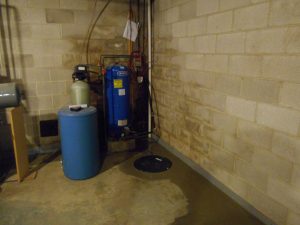
Now, it’s time to decide which pump is right for you. This decision should be based on your unique needs and circumstances.
There are several factors to evaluate:
- Power availability: If you’re in an area where power outages are common, a battery-powered pump might be a smart choice. It’s independent of your home’s electricity and will continue working even when the power’s out.
- Water usage: Water-powered pumps can be a good option if you don’t mind using more water and have a reliable water source.
- Maintenance needs: Reflect on how much time and effort you’re willing to put into maintaining your pump. Battery-powered pumps typically require more maintenance.
- Cost: Finally, assess your budget. Water-powered pumps are generally more expensive upfront but can be cheaper over the long run due to lower maintenance costs.
In the end, the right pump for you is one that suits your needs, your ability to maintain it, and your budget.
Make a choice that you’re comfortable with and that will serve you well.
In summary, your choice between a battery or water-powered backup pump hinges on your specific needs. If power outages are common, a battery-powered pump’s reliability might be for you, despite the maintenance. On the other hand, a water-powered pump needs less upkeep, ideal if you’ve got steady water pressure. Remember to take into account costs, efficiency, and local regulations. Ultimately, it’s about choosing what best protects your home and fits your lifestyle.

20 + years of experience! – It’s hard to find another company like ours. Our team of experts have decades of experience in residential and commercial construction, plumbing, masonry, and carpentry skills. Not just waterproofing …
5 Star Customer Satisfaction Guarantees! – We receive many compliments on our level of professionalism, cutting edge materials, hard working crews, cleanliness, and customer service: which is something hard to find in our industry. Our goal is to exceed your expectations from start to finish! We are here to alleviate your anxiety and will work our hardest to make sure that all of your concerns are achieved 100%.