

You’ve probably dealt with crawl space waterproofing before, but have you considered the unique conditions coastal areas present? High humidity, salt air, and frequent severe weather pose significant challenges to traditional waterproofing approaches. It’s not simply about keeping the water out; the corrosive nature of saltwater and increased moisture can damage foundations and promote mold growth. So how do you effectively waterproof crawl spaces in these areas? Let’s explore the tailored strategies and materials needed to maintain structural integrity and prevent moisture-related damages in these vulnerable coastal environments.
Key Takeaways
- Coastal climates face unique waterproofing challenges due to high humidity, salt air, and increased risk of flooding.
- Saltwater exposure in coastal areas poses significant corrosion risks to home foundations, necessitating robust protective measures.
- Temperature fluctuations in coastal areas complicate waterproofing efforts due to material expansion and contraction.
- Waterproofing solutions like vapor barriers, sump pumps, and perimeter drain systems are essential in coastal crawl spaces to manage moisture effectively.
- Regular maintenance and inspections are critical in coastal areas to address potential issues caused by severe weather events and local soil conditions.
 Understanding Crawl Space Waterproofing
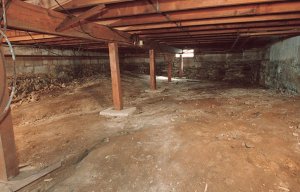 Understanding Crawl Space Waterproofing
Knowledge is power, especially when it comes to crawl space waterproofing. You may not see it, but your crawl space is an essential part of your home. It can be a breeding ground for moisture, leading to mold, mildew, and structural damage if not properly cared for. Waterproofing your crawl space is a necessity, not a luxury.
First, understand that waterproofing is more than just installing a vapor barrier. It’s a process that involves identifying potential sources of moisture, addressing them, and then sealing your crawl space to prevent future issues. This might sound complicated, but don’t worry, you’ve got this!
Let’s talk about the common sources of moisture. Leaking pipes, groundwater seeping in, and condensation are the usual suspects. You’ve got to find them, fix them, and make certain they can’t cause trouble again.
Next, consider your crawl space’s ventilation. Poor ventilation can trap moisture, creating a perfect environment for mold growth. You’ll want to guarantee your crawl space is properly ventilated to ward off any potential issues.
Coastal Climates and Their Impact
In a coastal climate, the challenges of crawl space waterproofing take a unique twist. You’re not only dealing with the regular issues of rain and groundwater but also the added factor of salt air and spray. Salt is highly corrosive and can accelerate the deterioration of many waterproofing materials.
The high winds common in coastal areas also pose a unique challenge. They can drive rain and salt spray into your crawl space at angles and with a force that you don’t typically experience in more inland areas. This means that your waterproofing system needs to be robust enough to handle these additional stresses.
Another factor to take into account is the potential for flooding. Coastal areas are often more prone to floods, whether from rising sea levels, storm surges, or heavy rain events. This means that your crawl space waterproofing needs to be able to withstand not just occasional dampness, but potentially being submerged under water.
Lastly, the fluctuating temperatures typical of coastal climates can lead to expansion and contraction of materials, which can create gaps in your waterproofing system. As a result, the materials used need to be flexible and durable enough to handle these temperature swings.
The Role of High Humidity
High humidity is another significant factor you’ll need to contend with in coastal climates. This heightened moisture level can pose unique challenges to your crawl space, particularly if it’s not adequately waterproofed.
Humidity can foster the growth of mold and mildew in your crawl space. These fungi thrive in damp, dark places, and can cause significant damage to your home’s structure. Not only that, but they can also lead to health issues for you and your family. As a result, it’s essential to keep humidity levels low in your crawl space.
Additionally, high humidity can lead to wood rot. When the air in your crawl space is too moist, it can cause the wooden elements of your home to decay over time. This can weaken your home’s structure and lead to costly repairs down the line.
To combat these issues, you’ll need to invest in a robust crawl space waterproofing system. This should include a vapor barrier to block moisture from the ground, and a dehumidifier to control the humidity levels.
Saltwater’s Effect on Foundations
You’re likely aware that saltwater can be harmful to your home’s foundation. This is due to corrosion risks that, if left unchecked, could greatly undermine the structural integrity of your home.
But don’t fret, there are effective mitigation strategies to combat saltwater’s corrosive effects.
Saltwater Corrosion Risks
Living near the sea may offer breathtaking views, but it also exposes your foundation to saltwater corrosion risks.
Saltwater corrosion is a considerable threat to the structural integrity of your seaside home. The high salt concentration in coastal areas can be damaging to your home’s foundation, leading to a host of problems if left unchecked.
You may be wondering about the specific risks associated with saltwater corrosion. Here are three major ones:
- Structural Instability: Saltwater can erode the foundation, leading to cracks and instability. Over time, this could render your house unsafe for living.
- Mold and Mildew: With the dampness brought on by saltwater exposure, your crawl space becomes a breeding ground for mold and mildew, which can impact your health negatively.
- Decreased Property Value: The damage caused by saltwater corrosion can considerably reduce your property’s value if not addressed promptly.
Mitigation Strategies for Saltwater
Combatting the ravages of saltwater on your home’s foundation requires a strategic approach. In coastal areas, your house is constantly exposed to the harsh elements, including the corrosive saltwater from the sea.
It’s not just a simple matter of water damage; saltwater can seriously degrade your foundation, leading to significant structural issues.
Your first line of defense is waterproofing. This isn’t just about slapping on a coat of waterproof paint, but includes a thorough solution like installing a crawl space encapsulation system.
This creates a moisture barrier that protects your foundation from both water and salt.
Next, consider the use of marine-grade materials in your foundation’s construction. These materials are designed to withstand saltwater exposure, providing an extra layer of protection.
Lastly, regular maintenance is essential. This involves inspecting your foundation frequently for any signs of saltwater damage, and addressing any issues as soon as they arise.
Common Crawl Space Issues in Coastal Areas
Often, coastal homeowners face unique challenges with their crawl spaces due to the area’s high humidity and proximity to water bodies. These factors contribute to a range of issues that could lead to significant damage if not addressed promptly.
The first common problem you may encounter is excessive moisture. This can lead to condensation buildup, which might result in the growth of mold and mildew. This not only damages the structural integrity of your home, but it can also lead to health problems for you and your family.
Secondly, pests are another issue. The damp and dark conditions of a crawl space provide an ideal environment for pests such as cockroaches, rodents, and termites. These unwanted guests can cause damage to your home and can be a nuisance to eliminate.
Lastly, the proximity to water bodies often means that your crawl space is more likely to flood, especially during periods of heavy rain or storms. Flooding can cause extensive damage to the foundation of your home, and is an issue that needs immediate attention.
In summary, it’s essential to be aware of these common crawl space issues in coastal areas:
- Excessive moisture leading to mold and mildew
- Pests infestation
- Potential flooding
Waterproofing Solutions for Coastal Homes
Despite the challenges that come with maintaining a crawl space in a coastal home, you’re not without solutions. One proven method is applying a waterproofing sealant to your crawl space walls and floor. This acts as a barrier, keeping moisture from seeping in.
It’s essential to select a sealant specifically designed for high-moisture environments.
Installing a vapor barrier is another effective solution. This plastic or foil sheeting covers your crawl space floor, preventing ground moisture from rising into the house.
But remember, it’s most effective when professionally installed and properly sealed.
Now, if your crawl space tends to flood, a sump pump could be your saving grace. It automatically pumps out water that collects in the sump basin, keeping your crawl space dry.
Preventive Measures for Moisture Control
Taking a proactive approach to moisture control can save you a lot of trouble down the road. Living in coastal areas, you’re often dealing with high humidity, frequent rainfall, and the potential for flooding.
All these factors make it critical to take preventive measures to control moisture in your crawl space.
The first step is to guarantee proper ventilation. You don’t want to trap humid air in your crawl space, as it contributes to moisture build-up. Therefore, investing in a good ventilation system is a must.
Next, consider using a vapor barrier. This is a plastic or foil sheet that prevents moisture from the ground from seeping into your crawl space. It’s a simple yet effective way to control moisture.
Finally, think about installing a sump pump. If your crawl space is prone to flooding, a sump pump can help remove excess water before it leads to major issues.
- Ventilation System: Prevents humidity build-up.
- Vapor Barrier: Stops ground moisture.
- Sump Pump: Removes excess water efficiently.
Case Study: Successful Coastal Waterproofing
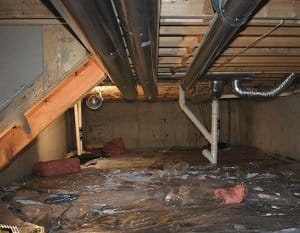 Imagine this: you’re a homeowner in a coastal zone, where the relentless tide of moisture-related problems seems never-ending.
Let’s take a look at a case where a homeowner, just like you, turned the tide on crawl space moisture.
Meet Jane, a resident of the breezy Outer Banks, North Carolina. Her cottage, lovely but weather-beaten, had a persistent crawl space moisture issue. She’d tried basic waterproofing methods but nothing seemed to work long-term.
However, after consulting with a professional waterproofing company, she decided to take a more extensive approach.
The company installed a full perimeter drain system, encapsulated the crawl space with a vapor barrier, and added a sump pump for active water extraction. They also implemented a dehumidifier to control the humidity levels.
These measures were tailored to Jane’s specific coastal conditions and her home’s unique needs.
The result? A dry crawl space and the end of Jane’s moisture nightmares. The improved air quality was an added bonus she’d not anticipated.
Her experience shows that a professional, extensive approach to crawl space waterproofing, especially in coastal areas, can make all the difference.
Don’t let your home fall prey to moisture damage. Act smart, like Jane.
Ongoing Maintenance for Waterproofed Crawl Spaces
While Jane’s story illustrates the power of a thorough waterproofing strategy, what’s equally important is the continued care of your newly waterproofed crawl space.
It’s not a one-time job; it needs regular attention to keep it in prime condition. This is especially true in coastal areas where high humidity and salt air can pose additional challenges.
- Regular Inspection: Don’t wait for signs of a problem before you check your crawl space. Make it a habit to inspect it at least twice a year, or after heavy rainfall. Look for any signs of moisture, such as condensation, dampness, or water stains.
- Cleaning and Debris Removal: Keep your crawl space clean. Remove any debris that could potentially block the ventilation or drainage. This will help maintain good airflow and prevent moisture build-up.
- Professional Maintenance: Finally, consider scheduling a professional maintenance check annually. A professional can detect and address any potential issues before they become major problems.
So, you see, waterproofing your crawl space in coastal areas poses unique challenges. You’ve got humidity, saltwater, and weather events to take into account. But with the right knowledge and tools, you can effectively protect your home. Implementing solutions like vapor barriers, sump pumps, and drainage systems can keep moisture at bay. Remember, it’s not just about fixing issues, but preventing them. With ongoing maintenance, you can guarantee your crawl space stays dry and your home remains safe and sound.

20 + years of experience! – It’s hard to find another company like ours. Our team of experts have decades of experience in residential and commercial construction, plumbing, masonry, and carpentry skills. Not just waterproofing …
5 Star Customer Satisfaction Guarantees! – We receive many compliments on our level of professionalism, cutting edge materials, hard working crews, cleanliness, and customer service: which is something hard to find in our industry. Our goal is to exceed your expectations from start to finish! We are here to alleviate your anxiety and will work our hardest to make sure that all of your concerns are achieved 100%.