

You’ve probably heard of foundation waterproofing membranes, but do you really know why they’re so important? Whether it’s liquid applied, sheet-based, or a different type, these membranes are your home’s first line of defense against water damage, mold growth, and structural issues. They’re an essential part of maintaining property value and ensuring a safe living environment. But how do you know which one is right for you? Stick around, we’ll be exploring that question and more.
Key Takeaways
- Foundation waterproofing membranes are crucial for preventing moisture penetration and potential structural damage.
- Common types include liquid applied, sheet-based, cementitious, bentonite clay, and polyurethane liquid membranes.
- These membranes contribute to the long-term stability and integrity of your home by preventing mold growth and basement flooding.
- Proper installation involves surface preparation, membrane application, sealant application, and adjustments based on local conditions.
- Waterproofing membranes increase foundation lifespan, safety, cost-efficiency, property value, and overall protection of the building.
Understanding Foundation Waterproofing Membranes
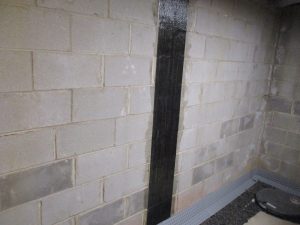
You may not realize it, but foundation waterproofing membranes play an essential role in maintaining the integrity of your home. They’re your home’s silent protectors, keeping moisture at bay and preventing potential damage that could cost you a small fortune in repairs.
Here’s the deal: these membranes are typically made from a waterproof material like rubber or plastic. They’re installed on the outside of your home’s foundation walls, forming a barrier that stops water from seeping in. This is critical because water that infiltrates your home’s foundation can lead to issues like mold growth, structural damage, and basement flooding.
But it’s not just about keeping your house dry. Foundation waterproofing membranes also help stabilize the soil around your home, reducing the risk of soil erosion and foundation shifting.
This is essential for the long-term stability of your home.
The Role of Waterproofing Membranes in Construction
Let’s explore the significant role waterproofing membranes play in construction. These membranes are a vital component in any structure, acting as a barrier to prevent water and moisture from penetrating the building. They’re typically installed during the construction phase, providing long-term protection for the foundation.
Imagine this scenario: you’ve built a beautiful home, but neglected to install a waterproofing membrane. Now, every time it rains, water seeps into your foundation, causing dampness, mold, and potential structural damage. That’s a nightmare you don’t want to experience.
It’s also essential to understand that waterproofing isn’t just about keeping water out—it’s also about controlling where it goes. By directing water away from the foundation, waterproofing membranes reduce the risk of water-related issues.
Here’s a simple table to illustrate the role of waterproofing membranes:
| Role | Importance |
|---|---|
| Protection | They protect the foundation from water and moisture. |
| Prevention | They prevent potential structural damage. |
| Control | They control the direction of water flow. |
| Longevity | They enhance the longevity of the structure. |
Five Common Types of Waterproofing Membranes
Knowing the role of waterproofing membranes leads naturally into understanding the different types available. So let’s get you familiar with five common types.
Firstly, there’s the liquid applied membrane. As you’d guess from the name, you apply this one as a liquid. It sets into a rubbery coating on your foundation, offering a seamless, highly flexible waterproof barrier.
Sheet-based membranes are next. They’re a bit like wallpaper for your foundation—only they’re made of waterproof material. You’ve got two types here: the bituminous and the PVC/EPDM ones.
Bituminous membranes use asphalt to keep water out, while PVC and EPDM membranes are synthetic, offering great durability.
Cementitious membranes are your third type. They’re easy to mix and apply, making them a popular choice for DIYers.
Fourth, you’ve got bentonite clay waterproofing membranes. They’re eco-friendly and swell when they come into contact with water, forming a barrier that blocks more water from getting through.
Lastly, there are polyurethane liquid membranes. They’re a bit more expensive, but they offer superior flexibility and durability, making them a top choice for areas with big temperature swings.
Installation Process of Waterproofing Membranes
Before diving into the installation process of waterproofing membranes, it’s crucial to understand that each type requires a specific method for maximum effectiveness. The installation process isn’t a one-size-fits-all scenario. It’s customized based on the membrane type, your foundation’s specifics, and the environmental conditions where you live.
Here’s a basic overview of how you’ll typically install waterproofing membranes:
- Surface Preparation: This is critical for effective installation. You’ll need to thoroughly clean the foundation walls, removing any debris, dirt, or loose materials. Any cracks or holes should also be filled and smoothed out.
- Membrane Application: Depending on the type of membrane, you’ll either apply it directly to the wall (like paint), or you’ll attach it in a sheet or panel form. Make sure it’s secure and covers the entire foundation wall surface.
- Sealant Application: Finally, apply a sealant. This adds an extra protective layer and makes certain the membrane adheres properly to the foundation wall.

Waterproofing Membranes: The Impact on Longevity and Safety
Through proper installation and maintenance of waterproofing membranes, you can greatly improve the longevity and safety of your foundation. These membranes provide a barrier against water penetration, preventing the degradation of your foundation and associated structural components over time. This not only enhances the lifespan of your building but also contributes immensely to its safety.
With correctly installed membranes, you’ll never have to worry about water damage. But why does this matter? Let’s break it down in a simple table.
| Benefits of Waterproofing Membranes | Impact |
|---|---|
| Longevity | Waterproofing membranes delay the wear and tear on your foundation, extending its lifespan. |
| Safety | By preventing water damage, these membranes maintain the structural integrity of your building, ensuring safety. |
| Cost-Efficiency | By avoiding the costs of water damage repairs, you’ll save a lot in the long run. |
| Value | A well-maintained, waterproofed foundation considerably increases your property’s value. |
So, you see, waterproofing membranes are a must for any construction project. From preventing water damage and mold growth to maintaining your property value, these membranes are essential. Whether it’s liquid applied, sheet-based, cementitious, bentonite clay, or polyurethane, picking the right one enhances your home’s longevity. Remember, a well-protected foundation equals a safe and enduring living environment. Don’t underestimate the power of a good waterproofing membrane—it truly matters.

20 + years of experience! – It’s hard to find another company like ours. Our team of experts have decades of experience in residential and commercial construction, plumbing, masonry, and carpentry skills. Not just waterproofing …
5 Star Customer Satisfaction Guarantees! – We receive many compliments on our level of professionalism, cutting edge materials, hard working crews, cleanliness, and customer service: which is something hard to find in our industry. Our goal is to exceed your expectations from start to finish! We are here to alleviate your anxiety and will work our hardest to make sure that all of your concerns are achieved 100%.
