

You’ve probably come across that odd, musty smell in your house at some point, right? Often, it’s more than just an unpleasant scent; it could be a warning sign of mold growth due to excess moisture. Mold isn’t always visible, but its scent is a tell-tale sign, hinting at its presence in hidden corners. It’s not just about aesthetics; mold can pose serious health risks. Think it’s time to unravel the mystery behind that musty smell? Let’s dig a bit deeper into the link between mold, moisture, and mustiness in your home.
Key Takeaways
- Musty odors often indicate the presence of mold, even if it’s not visibly apparent, signaling potential moisture issues.
- Mold needs moisture to grow, transforming mold spores into active colonies within 24 to 48 hours on wet surfaces.
- Mold releases distinctive odors as it consumes organic material in damp conditions, serving as a warning sign of moisture problems.
- Health risks associated with mold exposure include respiratory problems, allergies, and potential links to autoimmune disorders and mental health effects.
- Professional mold inspections offer accurate diagnosis, expert remediation advice, and peace of mind in mold-prone environments.
The Science Behind Musty Smells

Beneath the dampness lurking in your basement, there’s a science at play causing those unpleasant, musty smells. It’s not just about the water, it’s about what the water brings with it – microbes.
These tiny organisms love the damp, dark, and dank conditions, and they’re responsible for that distinctive odor. As they consume organic material, they release gases as a byproduct, many of which have a musty or earthy smell.
Now, you’re not facing a single type of microbe. There’s a whole ecosystem down there, from mold and mildew, to bacteria and more. Each contributes its own unique aroma to the mix. Some of these microbes, like mold, can be harmful if allowed to grow unchecked.
The musty smell is often your first warning sign that something’s not quite right. Understanding these smells and where they come from is the first step in dealing with them.
It’s important to realize that the smell isn’t just unpleasant, it’s a sign that you’ve got a moisture problem. And where there’s moisture, there’s potential for damage, not just to your home, but to your health as well.
Understanding Mold: A Brief Overview
Let’s take a moment to explore the world of mold. You might think it’s just the stuff that ruins your bread or cheese, but it’s so much more. Mold is a type of fungus that exists everywhere—indoors, outdoors, even in the air you breathe. It plays an essential role in nature by breaking down dead organic matter.
But when it finds its way into your home, it can become a problem. There are many types of mold, but all need moisture and a food source to grow. This food source could be your home’s drywall, wood, or even your favorite leather jacket.
And while you mightn’t see it, if you smell a musty odor, that’s a good indication mold is present. But what makes mold so bad? Well, it’s not just unsightly. It can cause structural damage to your home and potentially harm your health.
Some people are sensitive to molds and can experience symptoms ranging from nasal stuffiness to more severe reactions. So, when you smell that musty odor, don’t ignore it—it could be a sign of a much bigger issue.
Mold and Moisture: The Connection
Without moisture, mold simply can’t grow. It’s a fundamental truth that applies to all types of mold, and understanding this is your first step in combating a potential mold problem.
You see, mold spores are everywhere – floating in the air, lying dormant on surfaces, just waiting for the right conditions to spring into life. And what’s the one thing they need most? You’ve got it – moisture.
When mold spores land on a damp spot, they begin to grow, feeding on the material they’ve landed on. It could be your wall, your carpet, or even your clothes. Once the mold establishes itself, it can start producing spores and spread rapidly.
If you’re battling mold, here’s what you need to know about its relationship with moisture:
- Moisture creates a perfect breeding ground for mold.
- Mold can’t grow without water or humidity.
- Once mold spores get wet, they can start to grow in just 24 to 48 hours.
- Controlling moisture levels is the key to preventing and stopping mold growth.
- Even high humidity can provide enough moisture for mold to grow.
Common Sources of Moisture in Homes
Maneuvering through the labyrinth of your home, you might be surprised at just how many potential sources of moisture there are. Your bathroom, for instance, is a prime culprit. Steam from hot showers and baths can condense on walls and mirrors, introducing excess moisture. Without adequate ventilation, this moisture can’t escape, creating a perfect breeding ground for mold.
Similarly, your kitchen can be a hotbed for moisture. Activities like cooking, washing dishes, or even boiling a pot of water can introduce steam into the air.
And let’s not forget about your laundry room. Damp clothing left in the washer, or a dryer vent that’s not properly venting to the outside, can greatly increase moisture levels.
But it’s not just these obvious places. Basements and crawlspaces are notorious for being damp, especially if they’re not properly sealed.
Even your living room can contribute if you have a lot of houseplants, which release moisture into the air as they breathe.
And don’t underestimate outdoor sources. Leaky gutters, poor drainage, and rainfall can all increase the moisture content in your home.
Identifying Mold in Your Home
Knowing how to spot mold in your home is essential for your health and home’s condition.
We’ll discuss a few effective mold detection techniques that you can use.
We’ll also cover the potential health risks that come with having mold in your living space.
Mold Detection Techniques
Spotting mold in your home may seem challenging, but with the right techniques, it’s simpler than you’d think. Mold can be sneaky, often hiding in less visible areas. However, it leaves some tell-tale signs that you can pick up on if you know what to look for.
To start, you’ll want to use your senses. Mold often gives off a musty smell that’s hard to miss. This is usually your first clue.
Next, be aware of any unusual health symptoms you or your family members may be experiencing. Persistent coughing, sneezing, or itchy eyes can be signs of mold exposure.
Here are some other techniques to help you detect mold:
- Look for visible signs of mold growth. This can be black, green, or white specks on walls, floors, or ceilings.
- Check for water damage or leaks, as these often lead to mold growth.
- Use a mold detection kit. These are available in most home improvement stores.
- Pay attention to areas with high humidity, like bathrooms and basements. Mold loves moisture!
- Hire a professional mold inspector if you suspect a serious mold problem.
Health Risks Involved
Your home’s mold problem isn’t just a cosmetic issue; it poses significant health risks too. Mold spores, once airborne, can cause a range of health problems if inhaled. You’re not safe just because you can’t see it. Hidden mold can still affect your health.
| Type of Mold | Health Risks | Common Symptoms |
|---|---|---|
| Aspergillus | Can cause allergic reactions and respiratory infections. | Sneezing, runny nose, cough, and in severe cases, shortness of breath. |
| Cladosporium | Can trigger allergies and asthma. | Itchy eyes, cough, and tightness in the chest. |
| Stachybotrys | Known as ‘toxic mold’, it can cause severe health issues. | Persistent cough, difficulty breathing, and fatigue. |
| Penicillium | Can lead to chronic sinusitis. | Sneezing, cough, postnasal drip, and itchy eyes. |
| Alternaria | Common cause of allergic reactions. | Itchy eyes, sneezing, and skin rash. |
Don’t underestimate the power of mold. It’s not just about the musty smell or unsightly spots on your walls. It’s about your health, your well-being. So, don’t ignore that musty smell—it might be mold from moisture.
Health Risks Associated With Mold
You might be wondering about the health risks linked to mold.
Let’s first consider the symptoms you may experience from exposure, then we’ll explore how mold can lead to respiratory problems.
Mold Exposure Symptoms
Exposure to mold mightn’t seem like a big deal, but it can lead to a variety of health issues. At first, you might just experience slight discomfort, but don’t brush it off.
It’s essential to be aware of the signs that could indicate your body’s reaction to mold exposure.
Common symptoms to watch out for include:
- Unexplained skin rashes or irritation: You might notice redness, itching, or even blisters.
- Persistent cough or throat irritation: This isn’t limited to just common cold symptoms.
- Frequent headaches or migraines: If you’re experiencing these more often, it might be due to mold.
- Fatigue and weakness: You might feel unusually tired or drained, despite adequate rest.
- Sinus congestion or a runny nose: Mold spores can irritate your nasal passages.
These symptoms could be your body’s way of signaling that something’s not right.
Remember, if you’re experiencing these symptoms and there’s a musty smell around your home, it might be more than just damp air.
It’s important to take action quickly to prevent further health problems. Don’t ignore these signs; your health is at stake.
Mold-Related Respiratory Issues
Ever wondered why breathing becomes difficult in a mold-infested environment? It’s because mold releases tiny, invisible spores into the air. When you inhale these, they can trigger or worsen respiratory problems.
You might start to cough or wheeze, have a runny or blocked nose, or feel a tightness in your chest. These symptoms aren’t just inconvenient—they’re your body’s way of telling you that something’s wrong.
If you’re constantly exposed to mold and its spores, you could develop chronic respiratory issues. Asthma sufferers are particularly vulnerable, as mold can provoke severe attacks.
But it’s not just asthma. Prolonged exposure to mold can also cause allergic bronchopulmonary aspergillosis, a condition that affects the lungs and can lead to more serious respiratory disorders.
Mold’s Impact on Immunity
In addition to respiratory problems, mold exposure can wreak havoc on your immune system. It’s not just about sneezing or coughing—your body’s entire defense mechanism can take a hit. This is particularly true if you’re already dealing with immune system challenges.
Mold spores, once inhaled or ingested, can trigger an immune response. Your body, trying to defend itself, may overreact, leading to inflammation and other symptoms. These might include fatigue, joint pain, headaches, and even changes in mood or cognition.
Consider the following potential impacts of mold exposure on your immunity:
- Chronic inflammation: Constant exposure might lead to long-term inflammation, which is linked to numerous health issues.
- Repeated infections: With your immune system compromised, you’re more susceptible to infections.
- Allergic reactions: Mold can cause severe allergic reactions, exacerbating symptoms in people already prone to allergies.
- Autoimmune disorders: Some studies suggest a link between mold exposure and the development of certain autoimmune disorders.
- Mental health effects: The physical stress of dealing with a weakened immune system can also impact your mental health.
Don’t ignore that musty smell—it might be more than just an annoyance. It could be seriously undermining your health.
Professional Mold Inspection and Testing
When you suspect a mold problem in your home, seeking help from a professional mold inspector becomes essential. These experts have specialized tools and knowledge to accurately diagnose mold issues, even those hidden behind walls or under flooring.
Professional mold testing typically involves two steps. First, they’ll conduct a visual inspection of your home, checking for signs of mold or moisture. They’ll look at notorious mold hot spots like basements, bathrooms, and kitchens, but also inspect less obvious areas, too.
Second, they’ll collect samples for lab testing. This can be air samples or physical swabs from surfaces. Lab analysis will confirm if mold is present and identify the mold species, which informs the best remediation approach.
If you’re dealing with persistent allergies or you’ve noticed a musty smell that won’t go away, don’t ignore these signs. A professional mold inspection is a small price to pay for your health and peace of mind.
After all, you can’t effectively combat mold if you don’t know it’s there. So, take action and call a mold inspection professional to confirm your suspicions and help you tackle the issue head-on.
DIY Mold Prevention Techniques
While professional mold inspection and testing is an essential step in identifying a mold problem, preventing mold from taking hold in the first place can save you time, money, and potential health issues.
But how can you prevent mold growth in your home? Don’t worry, we’ve taken care of that. Here are some DIY mold prevention techniques that you can apply.
- Keep Things Dry: Mold loves moisture. Get into the habit of wiping down surfaces that often get wet, like your kitchen and bathroom countertops.
- Ventilation is Key: Make sure your home is well-ventilated, especially in high-moisture areas like the bathroom, kitchen, and laundry room.
- Fix Leaks Promptly: Leaky pipes and roofs can create a haven for mold. Once you spot a leak, it’s important to fix it immediately.
- Use Mold-Resistant Products: If you’re renovating or building a new home, consider using mold-resistant drywall and paint.
- Monitor Humidity Levels: Invest in a hygrometer to keep an eye on your home’s humidity levels. Aim to keep it below 60%.
When to Seek Professional Help
Despite your best efforts at prevention, you might still find yourself facing a mold problem.
It’s essential to know when to call in the professionals. If you’ve cleaned an area thoroughly but mold reappears within a few days, that’s a clear sign you need help.
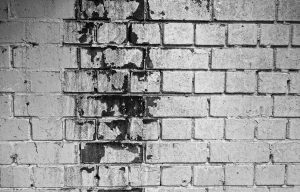
Another telltale indication is if the moldy area is large—anything over ten square feet.
Persistent health issues can also signal a serious mold issue. If you or your family members are experiencing persistent allergic reactions, respiratory problems, or other health symptoms that can’t be explained, the culprit could be hidden mold.
Lastly, if you’ve had water damage, particularly from flooding, it’s best to consult a professional. Water can seep into areas you can’t easily access or see, creating a perfect breeding ground for mold.
Professional mold remediation experts have the tools, knowledge, and experience to deal with these problems effectively. They can identify hidden mold, determine the severity of the problem, and recommend the best course of action.
Don’t risk your health or your home’s integrity by trying to tackle a serious mold issue on your own. It’s better to be safe and seek professional help.
Don’t turn a blind eye to that musty scent in your home—it’s likely mold. Mold thrives in damp spaces, posing significant health risks. Fix moisture issues promptly and consider a professional mold inspection to protect your home and health. With some DIY prevention techniques, you can keep mold at bay. But remember, when things get out of hand, seeking professional help is your best bet.

20 + years of experience! – It’s hard to find another company like ours. Our team of experts have decades of experience in residential and commercial construction, plumbing, masonry, and carpentry skills. Not just waterproofing …
5 Star Customer Satisfaction Guarantees! – We receive many compliments on our level of professionalism, cutting edge materials, hard working crews, cleanliness, and customer service: which is something hard to find in our industry. Our goal is to exceed your expectations from start to finish! We are here to alleviate your anxiety and will work our hardest to make sure that all of your concerns are achieved 100%.
