

For many homeowners in Pennsylvania and New Jersey, the basement is a functional space used for storage, laundry, or even a finished family room. However, because of the high water table and the clay-heavy soil prevalent in the Delaware Valley, these below-grade spaces are often the first to show signs of distress. One of the most common yet misunderstood symptoms of a wet basement is the appearance of a white, chalky, or fuzzy substance on the foundation walls.
At Aqua Dry Basement Waterproofing, we often hear from concerned residents who aren’t sure if they are looking at a harmless mineral deposit or a toxic health hazard. Understanding the difference between efflorescence and mold is the first step in protecting your home’s structural integrity and your family’s respiratory health. Here is the science-backed breakdown of what those white spots really mean.
Decoding the “White Powder”: Is it Salt or Fungus?
When you first notice a white substance on your cinder block or concrete walls, your instinct might be to panic. While both indicate a moisture problem, they are biologically and chemically distinct. Identifying which one you have requires a quick “touch and sight” test.
What is Efflorescence? (The Science of Mineral Leaching)
Efflorescence is not a living organism; it is a crystalline deposit of salts. When water from the outside soil saturates your foundation, it dissolves naturally occurring minerals within the concrete, mortar, or stone. As that water evaporates on the interior surface of your wall, it leaves the salt behind. This results in a white, powdery, or “crunchy” substance that sparkles slightly under a flashlight. If you touch it, it will crumble into a fine dust or salt-like granules.
How to Spot Mold Growth Early
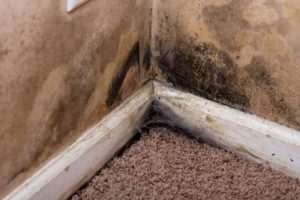
Unlike the mineral crystals of efflorescence, mold is a type of fungus that thrives on organic matter and moisture. While many people think of mold as black or green, certain species—especially in their early stages—can appear white and fuzzy. Unlike efflorescence, mold will not sparkle. It has a dull, fibrous appearance and will feel slimy or soft if smeared. Most importantly, mold is often accompanied by a distinct musty or “earthy” odor that signals the presence of microbial VOCs.
The Root Cause: Why Moisture is Moving Through Your Foundation
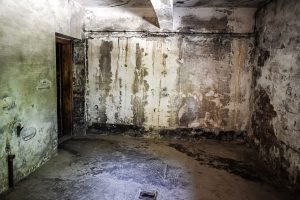
Whether you have minerals or mold, the underlying culprit is the same: hydrostatic pressure. In regions like Bucks County and Mercer County, heavy rains saturate the soil surrounding your foundation. This water becomes heavy, exerting thousands of pounds of pressure against your basement walls. Because concrete is naturally porous, this pressure pushes water through microscopic capillaries in the wall. This “weeping” effect is what transports the minerals for efflorescence or creates the damp environment necessary for mold to colonize.
Why Ignoring Efflorescence Can Lead to Structural Failure
Many homeowners make the mistake of thinking efflorescence is “just a cosmetic issue.” While the salt itself isn’t a threat, the process creating it is dangerous. As minerals leach out of your foundation walls, the concrete can become brittle and lose its structural density. Over time, this leads to spalling (where the surface of the concrete flakes off) and can eventually progress into horizontal cracks or bowing walls. If you see white powder, your foundation is essentially telling you that it is under attack by external water pressure.
Aqua Dry’s Science-Backed Approach to Wall Remediation
At Aqua Dry Basement Waterproofing, we don’t just scrub the walls; we solve the pressure problem. Our approach focuses on internal drainage systems and high-capacity sump pumps that intercept water before it ever has the chance to push through your foundation. By managing the water table beneath your floor, we stop the cycle of mineral leaching and eliminate the dampness that fuels mold growth. Every system we install comes with a Lifetime Transferable Warranty, ensuring your home remains dry and healthy for the next generation.
Frequently Asked Questions
Is efflorescence dangerous to my health?
While the salt crystals themselves aren’t toxic, they indicate high moisture levels that facilitate mycotoxin-producing mold growth. If you have efflorescence, you likely have elevated humidity, which can exacerbate asthma and allergies even if mold isn’t visible yet.
Can I just scrub the white powder off?
You can clean the surface with a stiff brush and water, but it will return. Scrubbing is a temporary fix; the efflorescence will continue to reappear until the hydrostatic pressure pushing water through the wall is professionally mitigated.
Does efflorescence mean my foundation is cracking?
Not necessarily, but it means your concrete is porous and “weeping.” This is a precursor to structural damage. Addressing the moisture now with a professional waterproofing system is significantly cheaper than repairing a collapsed or bowing wall later.
Don’t guess when it comes to your home’s health. Schedule a professional “Science-First” basement inspection with Aqua Dry Basement Waterproofing today.

20 + years of experience! – It’s hard to find another company like ours. Our team of experts have decades of experience in residential and commercial construction, plumbing, masonry, and carpentry skills. Not just waterproofing …
5 Star Customer Satisfaction Guarantees! – We receive many compliments on our level of professionalism, cutting edge materials, hard working crews, cleanliness, and customer service: which is something hard to find in our industry. Our goal is to exceed your expectations from start to finish! We are here to alleviate your anxiety and will work our hardest to make sure that all of your concerns are achieved 100%.