

Is that mysterious, chalky white powder on your concrete block walls dangerous? Learn the science behind efflorescence, why it signals a moisture threat, and how to stop it permanently.
The Mystery Powder: Is It White Mold or Efflorescence?
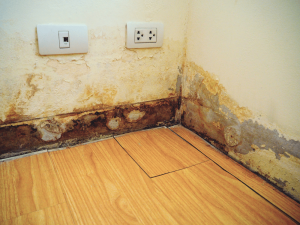
Many homeowners across southeastern Pennsylvania and southern New Jersey share a common, unsettling experience: walking down into the basement and discovering a strange, crystalline white powder spreading across the concrete block or poured foundation walls. The immediate reaction is almost always panic, assuming that a toxic colony of white mold has taken root in the dark, damp corners of the lower level. However, in a vast majority of cases, this powdery substance isn’t an organic growth at all—it is a physical phenomenon known as efflorescence.
Distinguishing between white mold and efflorescence is simple if you know what to look for. Mold is a living, organic fungal colony; it has a soft, fuzzy, or slimy texture, emits a distinctly pungent, musty odor, and will grow on organic surfaces like drywall, wood, or cardboard boxes. Efflorescence, on the other hand, consists entirely of inorganic mineral salts. If you touch it with a gloved finger, it feels dry, rough, and crumbly, and it dissolves instantly when spritzed with a little water. While it may not be alive, discovering efflorescence on your walls shouldn’t bring a sigh of relief. It is a blinking red warning light that an aggressive water intrusion problem is brewing directly behind the masonry block.
The Science of Capillary Action and Hydrostatic Pressure
To understand why efflorescence forms, you have to look at the porous nature of underground building materials. Materials like poured concrete, brick, and cinder block look completely solid to the naked eye, but they actually function like dense, microscopic, hard sponges, filled with millions of tiny interconnected pathways called capillaries.
When heavy seasonal rainfall saturates the regional soils surrounding your home, it creates a massive body of trapped water that exerts intense inward force against your below-grade foundation. This force is known as hydrostatic pressure. As this groundwater seeks a path of least resistance, it uses capillary action to hitchhike directly through your foundation walls. As the water travels through the concrete, it dissolves the natural water-soluble mineral salts—such as calcium, sodium, and potassium—inherent to all masonry products. When this moisture finally reaches the interior basement air, it evaporates, leaving the heavy mineral salt crystals deposited on your wall surface. This crystalline buildup is what you see as efflorescence.
This relentless moisture movement explains why superficial “waterproofing” paints purchased at retail box stores always fail. These paints only form a thin skin over the interior surface. Because the hydrostatic pressure and mineral crystallization continue unabated behind that skin, the salt deposits will inevitably blister, crack, and peel the paint clean off the wall within a single season.
The Hidden Threat: How Efflorescence Welcomes Toxic Mold
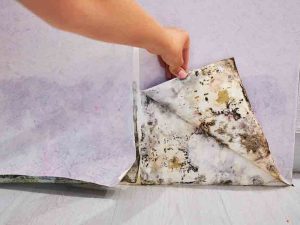
While the white powder itself is completely non-toxic and won’t cause direct physical harm, the underlying mechanism that creates it is a massive threat to your home and your family’s health. Efflorescence is a structural symptom of continuous vapor transmission. This means water is constantly entering your home in an unnoticeable, gaseous state, driving ambient indoor humidity levels into the danger zone (well above 60%).
This elevated humidity transforms your basement air mass into a perfect, warm incubation room for real, dangerous microbial growth. Airborne mold spores, which remain completely dormant in dry conditions, rapidly activate when exposed to this constant moisture feed. These fungal colonies release toxic chemical byproducts called mycotoxins. Because of a physical principle called the Stack Effect, the air in your basement doesn’t stay downstairs; as warm air rises and escapes through upper floors, it acts like a vacuum, pulling the damp, toxin-laden lower air straight up into your bedrooms and kitchens, triggering chronic allergies, asthma flare-ups, and respiratory irritation for your children and pets.
The Cure: Advanced Interlocking Waterproofing Solutions
Scrubbing efflorescence away with a wire brush or washing it with vinegar provides only a temporary aesthetic fix. To eradicate it permanently, you must break the cycle of water transmission at the source. Aqua Dry resolves this structural vulnerability through a targeted, multi-point defense strategy.
First, active structural entry points and deep fissures inside the masonry are sealed using specialized Hydrophobic Zert Port Injections. This industrial polyurethane resin is injected under high pressure directly into the core of the concrete wall, where it reacts with moisture to expand completely, forming a permanent, flexible barrier that blocks water from ever entering the capillary structure. Second, we relieve the external hydrostatic load entirely by installing a smooth-bore, interior sub-floor drainage array combined with a commercial-grade sump pump system. By providing groundwater with a clear, engineered path of escape beneath your floor slab, water tables drop safely away from your walls, halting mineral migration and keeping your home dry, healthy, and pristine for life.
Frequently Asked Questions
Is efflorescence on basement walls toxic to breathe?
No, efflorescence consists solely of natural mineral salts and is completely non-toxic to touch or breathe. However, it serves as undeniable proof of chronic moisture intrusion, which creates the high-humidity environment directly responsible for toxic black mold growth and airborne mycotoxins.
Can I just paint over efflorescence with waterproofing paint?
No. Standard retail waterproofing paints will trap the moisture and minerals inside the concrete block. As the water continues to evaporate and the salt crystals expand beneath the surface layer, the paint will inevitably bubble, blister, and peel away within a matter of months.
Will a standard household dehumidifier solve my efflorescence problem?
A dehumidifier only treats the air symptoms by pulling out moisture that has already entered your home; it cannot stop the continuous capillary action and hydrostatic pressure driving water and mineral salts through your foundation masonry walls.
Clear away the white powder and protect your home’s structural health. Don’t guess when it comes to foundation moisture and indoor air quality. Contact the certified moisture-mitigation experts at Aqua Dry Basement Waterproofing today to schedule your comprehensive Foundation Forensic Review and secure a dry, healthy basement environment permanently.

20 + years of experience! – It’s hard to find another company like ours. Our team of experts have decades of experience in residential and commercial construction, plumbing, masonry, and carpentry skills. Not just waterproofing …
5 Star Customer Satisfaction Guarantees! – We receive many compliments on our level of professionalism, cutting edge materials, hard working crews, cleanliness, and customer service: which is something hard to find in our industry. Our goal is to exceed your expectations from start to finish! We are here to alleviate your anxiety and will work our hardest to make sure that all of your concerns are achieved 100%.
