

For homeowners across Pennsylvania and New Jersey, late summer and early autumn bring more than just warm evenings and falling leaves—they bring peak hurricane and tropical storm season. Intense coastal storms, nor’easters, and stalled severe thunderstorms can drop inches of rain in a matter of hours, pushing subterranean water tables to critical levels.
When heavy downpours hit, an unprepared basement can transform from a dry storage space into a flooded nightmare in minutes. Protecting your property requires a proactive strategy that addresses both interior drainage mechanisms and exterior water management. Following a targeted storm preparation protocol helps safeguard your home before the next major weather event arrives.
Mid-Atlantic Seasonal Hazards: Why Late Summer Is Peak Flood Risk
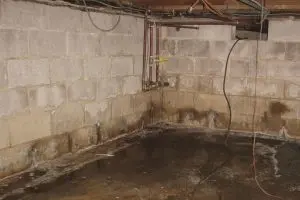 Throughout late July, August, and September, the Mid-Atlantic climate experiences high humidity paired with heavy tropical storm systems. This combination creates two primary threats for foundation safety:
- Soil Saturation: After weeks of summer rain, dense regional soils become fully saturated. Unable to absorb additional rainfall, surface water pools around foundation walls.
- Rapid Hydrostatic Pressure Surge: As water accumulates around subterranean concrete and cinder block walls, hydrostatic pressure spikes dramatically. This extreme force pushes water through hairline floor cracks, mortared wall seams, and the cove joint where your floor meets the wall.
The Pre-Storm Sump Pump Inspection Checklist
Your sump pump serves as the primary line of defense against groundwater intrusion. Before storm warnings hit the forecast, perform this essential 5-minute maintenance routine:
1. The Bucket Test
Pour 5 gallons of water directly into your sump pit basin. The mechanical float switch should rise smoothly, activate the pump motor immediately, discharge the water quickly, and shut off once the pit empties.
2. Clear Basin Debris
Inspect the bottom of the sump pit for accumulated silt, gravel, or dirt. Small stones can jam the impeller blades or trap the mechanical float switch in the “off” position during heavy operation.
3. Check Exterior Discharge Lines
Inspect where your sump pump’s discharge pipe exits the foundation outdoors. Ensure the outlet pipe is clear of dirt mounds, mulch, or lawn debris, and verify that water discharges at least 10 feet away from foundation walls.
The Grid Outage Danger: Why Dual-Pump Battery Backups Are Essential
High-wind summer storms frequently cause power grid outages. Tragically, grid failure often occurs precisely when rainfall peaks—leaving a standard primary sump pump completely inoperable right when you need it most.
A single AC-powered sump pump is a single point of failure. Installing an automatic dual-pump battery backup system guarantees continuous protection. When primary power drops out, a secondary heavy-duty DC battery pump engages instantly, pumping thousands of gallons of water on a single charge to keep your lower level dry through prolonged power outages.
Exterior Perimeter Water Control
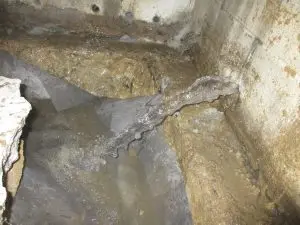 Managing water outside your foundation significantly reduces the workload on your interior waterproofing systems:
- Clear Gutters & Downspouts: Overflowing gutters dump hundreds of gallons of roof runoff directly against foundation walls. Keep gutters clear of twigs and leaves.
- Extend Downspout Lines: Ensure downspout extensions discharge water at least 6 to 10 feet away from the home, ideally toward positive drainage slopes.
- Maintain Positive Grade: Inspect the soil slope around your home’s perimeter. Soil should slope downward away from foundation walls at a pitch of at least 1 inch per foot for the first 6 feet.
Frequently Asked Questions
What should I do if my sump pump stops working during a severe storm?
First, check your electrical panel to confirm a circuit breaker hasn’t tripped. Next, ensure the mechanical float switch isn’t jammed against the basin wall. Having a dual-battery backup system installed beforehand eliminates power-loss failures completely.
Why does water enter through my floor cracks only during heavy rainstorms?
During extreme downpours, subterranean water tables rise rapidly beneath your slab, generating immense upward hydrostatic pressure. This pressure forces groundwater up through hairline concrete slab cracks and unsealed expansion seams.
Can a battery backup sump pump operate during multi-day grid outages?
Yes. High-performance battery backup systems utilize commercial-grade deep-cycle batteries capable of providing 24 to 48 hours of continuous intermittent pumping during severe weather power failures.
Prepare Your Basement for Storm Season with Aqua Dry
Don’t wait for hurricane warnings to test your waterproofing systems. Contact Aqua Dry Basement Waterproofing today to schedule a comprehensive Sump Pump Inspection or Flood Protection Upgrade across Pennsylvania, New Jersey, and Delaware.

20 + years of experience! – It’s hard to find another company like ours. Our team of experts have decades of experience in residential and commercial construction, plumbing, masonry, and carpentry skills. Not just waterproofing …
5 Star Customer Satisfaction Guarantees! – We receive many compliments on our level of professionalism, cutting edge materials, hard working crews, cleanliness, and customer service: which is something hard to find in our industry. Our goal is to exceed your expectations from start to finish! We are here to alleviate your anxiety and will work our hardest to make sure that all of your concerns are achieved 100%.