

Finding water on your basement floor after a prolonged downpour can be alarming—especially when the windows, plumbing, and visible foundation walls appear dry. If the moisture seems to rise through cracks in the concrete or collect where the floor meets the wall, the source may be groundwater beneath the foundation.
Water seeping through a basement floor after heavy rain is a common problem in Pennsylvania and New Jersey homes. Extended rainfall, nor’easters, rapid snowmelt, poorly draining soil, and high groundwater levels can saturate the ground surrounding a foundation. As water accumulates below the basement slab, increasing hydrostatic pressure pushes it toward any available opening.
The result may be damp concrete, water bubbling through floor cracks, puddles around columns, or seepage along the basement perimeter. Understanding why this happens is the first step toward choosing a repair that addresses the source instead of temporarily covering the symptom.
Why Does Water Come Up Through a Basement Floor?
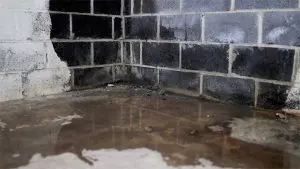
A basement is built below ground level, placing the floor slab near soil that naturally contains moisture. Under normal conditions, drainage systems and surrounding soil allow groundwater to move away without entering the home.
After heavy or sustained rainfall, however, the soil may absorb water faster than it can drain. The water table can rise, and groundwater can accumulate beneath the basement floor.
This creates hydrostatic pressure, which is the pressure produced by water at rest. The deeper and more concentrated the water becomes around or below the foundation, the more pressure it can exert against basement walls and floors.
Concrete may appear solid, but it is not completely waterproof. Moisture can move through its pores, while liquid water can enter through:
- Hairline floor cracks
- The cove joint around the basement perimeter
- Gaps around plumbing penetrations
- Sump pit openings
- Construction joints
- Deteriorated patches
- Openings around support posts
- Areas where the slab has settled or separated
Water follows the path of least resistance. Sealing one visible opening without relieving the pressure below the floor may simply cause the water to emerge somewhere else.
Common Signs of Groundwater Intrusion
Basement seepage does not always produce several inches of standing water. In some homes, the first signs are subtle and only appear after major storms.
Watch for:
- Dark or damp areas on the concrete floor
- Water collecting along the wall-floor seam
- Small bubbles of water emerging from floor cracks
- Mineral deposits or white powder on the concrete
- Peeling floor coatings
- Musty basement odors
- Rust on appliances or metal storage
- Damp carpet or flooring without an obvious plumbing leak
- Mold or mildew near the bottom of finished walls
- Recurring puddles after rain or snowmelt
The timing of the problem provides an important clue. Water that appears during or shortly after rainfall is often connected to groundwater, surface drainage, foundation seepage, or a sump pump problem.
Three Common Entry Points in PA and NJ Basements
1. The Cove Joint Between the Wall and Floor
The seam where the foundation wall meets the basement floor is called the cove joint. In many homes, the walls and floor were poured at different stages of construction, so the two surfaces do not form one continuous piece of concrete.
When groundwater builds beneath the slab, it may travel toward this perimeter joint. Homeowners often see a narrow line of moisture, small puddles, or active seepage running along the base of the foundation wall.
Cove joint seepage can sometimes be mistaken for a wall leak because water appears directly beside the wall. A professional inspection can determine whether the water is moving through the wall, rising from beneath the floor, or entering through both areas.
2. Hairline Cracks in the Concrete Slab
Concrete naturally shrinks as it cures and may develop thin cracks over time. Minor settlement, temperature changes, and soil movement can also contribute to cracking.
Many hairline floor cracks are not structural. However, they can create pathways for groundwater when pressure increases below the slab. During a major storm, a crack that usually appears dry may begin to feel damp or release visible water.
The location and behavior of a floor crack matter. A crack that is widening, uneven, displaced, or accompanied by movement elsewhere in the foundation may require further structural evaluation.
3. Openings and Penetrations Through the Floor
Water can also enter around pipes, utility lines, support columns, sump pits, and previous repair areas. Any opening that extends through the basement slab can become a weak point when groundwater levels rise.
An existing sump pit may overflow if:
- The pump stops working
- The pump cannot keep up with incoming water
- The discharge line becomes clogged or frozen
- Power is lost during a storm
- The float switch becomes obstructed
- The system lacks a backup pump or battery
In these situations, the problem may involve both groundwater pressure and an inadequate or malfunctioning drainage system.
How Soil and Drainage Conditions Contribute to Floor Seepage
Several regional and property-specific conditions can increase the risk of water entering beneath a basement slab.
Water-Retaining Soil
Clay-rich and compacted soils drain more slowly than sandy or gravelly soils. When these soils become saturated, water may remain around the foundation longer and place continued pressure on basement walls and floors.
Soil conditions vary considerably between properties, even within the same county. For that reason, the drainage pattern around the individual home is more important than relying on a broad assumption about regional soil composition.
Loose Backfill Around the Foundation
During construction, soil is excavated to create space for the foundation. After the walls are built, the area around them is filled again.
This backfilled soil may remain looser and more absorbent than undisturbed ground. Water can follow this easier path toward the foundation and collect near the footing, particularly when exterior drainage is inadequate.
Poor Exterior Grading
The ground surrounding a house should direct surface water away from the foundation. Low spots, settled soil, and landscaping that slopes toward the home can allow rainwater to pool beside the basement walls.
Correcting the grade may reduce the amount of water reaching the foundation, although grading alone may not resolve an established groundwater problem below the slab.
Short or Disconnected Downspouts
Roof runoff can release hundreds of gallons of water around a foundation during a heavy storm. If downspouts discharge next to the house, rainwater may saturate the backfilled soil and eventually move beneath the basement floor.
Extending downspouts away from the foundation and keeping gutters clear are important parts of overall basement water management.
Aging or Missing Foundation Drainage
Some homes have exterior footing drains intended to carry groundwater away from the foundation. Over time, these drains can become clogged, damaged, disconnected, or overwhelmed. Older homes may have limited drainage or no effective footing drain at all.
Why Surface Patches Often Fail
When water appears through a basement floor crack, applying hydraulic cement, silicone, waterproof paint, or another topical sealant may seem like a simple solution.
These materials can be useful for certain repairs, but they generally do not remove the water accumulating beneath the slab. If hydrostatic pressure remains, the water may:
- Push through the repaired area again
- Travel farther along the crack
- Appear through a different floor opening
- Move toward the cove joint
- Create another weak point in the concrete
A patch attempts to block the final entry point. A drainage system manages the water before it reaches the basement surface.
| Repair approach | What it does | Primary limitation |
|---|---|---|
| Waterproof floor paint | Creates a surface coating | May peel or blister when pressure and moisture remain below it |
| Hydraulic cement or crack filler | Seals a visible opening | Does not usually relieve widespread pressure beneath the slab |
| Dehumidifier | Reduces airborne humidity | Cannot collect or discharge active groundwater |
| Grading and downspout corrections | Reduces surface water near the foundation | May not control a high water table or established sub-slab seepage |
| Interior perimeter drainage | Collects water below the floor and directs it to a sump system | Requires professional design and installation |
| Sump pump system | Pumps collected water away from the home | Must have adequate capacity, a safe discharge point, and dependable power |
How Interior Perimeter Drainage Controls Basement Floor Water
When groundwater repeatedly enters around the slab perimeter, an interior subfloor drainage system may be recommended. Rather than trying to make the floor resist unlimited water pressure, the system creates a controlled path for water to travel.
A typical installation may include the following steps:
1. Inspecting the Basement and Exterior
The contractor identifies where water appears, checks the walls and floor for cracks, reviews exterior grading, examines gutter discharge, and evaluates any existing drainage or sump pump equipment.
The inspection should distinguish groundwater intrusion from plumbing leaks, condensation, surface runoff, and foundation wall cracks.
2. Opening the Floor Along the Perimeter
A section of concrete is removed near the basement wall to provide access to the area beside the footing or below the slab. The exact location and width depend on the foundation and drainage system being installed.
3. Installing the Drainage Channel
A perforated drain or specialized drainage channel is positioned to collect water entering near the footing, cove joint, or sub-slab area. Washed stone may be placed around the system to support drainage and reduce sediment entry.
4. Directing Water to a Sump Basin
The drainage system carries water to a sump pit. Once the water reaches the activation level, the sump pump sends it through a discharge line to an approved location away from the foundation.
Homes vulnerable to severe storms or power outages may benefit from a secondary pump, battery backup, alarm, or other redundancy. Pump capacity and backup requirements should be based on the amount of water entering the system and the property’s discharge conditions.
5. Restoring the Concrete Floor
After installation, the opened section of the slab is replaced with concrete. Most of the drainage system remains below the floor, leaving the basement usable while continuously managing groundwater.
Learn more about Aqua Dry’s basement waterproofing services for recurring floor, wall, or cove joint seepage.
Does a Sump Pump Alone Solve Basement Floor Seepage?
A sump pump can only remove water that reaches its basin. If there is no effective drainage path from the leaking areas to the sump pit, water may continue to collect beneath other portions of the floor.
An effective system coordinates:
- Water collection
- Perimeter or subfloor drainage
- Sump basin placement
- Pump capacity
- Discharge routing
- Backup protection
- Ongoing maintenance
Installing a larger pump does not necessarily correct an incomplete drainage system. Similarly, installing drainage without a reliable method of discharging the collected water can leave the basement vulnerable.
Is Basement Floor Water Always Groundwater?
No. Several other problems can create water on or near a basement floor.
Possible sources include:
- A leaking water heater
- Plumbing supply line leaks
- Drain or sewer backups
- Washing machine discharge
- Condensation from pipes or HVAC equipment
- Foundation wall seepage running down to the floor
- Window well leaks
- Exterior door leaks
- Sump pump overflow
- Groundwater pressure
Water that appears only during rain is often related to exterior drainage or groundwater, but timing alone does not provide a definitive diagnosis. A plumbing leak can also be intermittent, and water may travel before becoming visible.
If water appears when the weather is dry, the home’s water meter, plumbing fixtures, HVAC equipment, and drainage lines should also be investigated.
What to Do When You Find Water on the Basement Floor
If water is actively entering the basement:
- Keep people and pets away from standing water near electrical outlets, appliances, extension cords, or the service panel.
- Do not use electrical equipment while standing in water.
- Move valuable or absorbent belongings to a dry location when it is safe to do so.
- Photograph the water and visible entry points before cleanup.
- Note whether the seepage began during rainfall, after rainfall, or during snowmelt.
- Check the sump pump from a safe, dry location.
- Arrange an inspection to identify the source.
- Dry the affected area promptly to reduce the risk of mold and material damage.
For significant water entry, review Aqua Dry’s flooded basement solutions.
How to Help Prevent Recurring Basement Floor Leaks

An interior drainage system may control water below the floor, but exterior maintenance remains important. Homeowners can reduce unnecessary water accumulation by:
- Cleaning gutters regularly
- Repairing damaged or sagging gutters
- Extending downspouts away from the foundation
- Correcting areas where soil slopes toward the house
- Keeping exterior drains clear
- Avoiding overwatering next to the foundation
- Testing the sump pump before storm season
- Maintaining the battery backup
- Inspecting discharge lines for blockage or freezing
- Addressing new foundation cracks promptly
These measures cannot always overcome a naturally high water table, but they can reduce the volume of water directed toward the foundation.
Frequently Asked Questions
Why does water come through my basement floor when the walls are dry?
Groundwater can rise beneath the center or perimeter of the slab without visibly passing through the walls. Floor cracks, construction joints, utility openings, and the cove joint may provide easier entry points.
Why does the basement leak several hours after the rain stops?
Water takes time to travel through soil and accumulate around or beneath the foundation. The highest groundwater pressure may occur after the storm, causing seepage to begin or continue even when rainfall has stopped.
Can water pass directly through solid concrete?
Concrete contains microscopic pores and can absorb moisture. Active liquid seepage, however, is more likely to occur through cracks, joints, gaps, penetrations, or other weaknesses in the slab.
Will waterproof paint stop water from coming through the floor?
Waterproof coatings may reduce surface dampness in some conditions, but they are generally not designed to relieve hydrostatic pressure below a slab. Continued pressure can cause coatings to blister, peel, or fail.
Will a dehumidifier stop basement floor seepage?
No. A dehumidifier removes moisture from the air but cannot stop liquid groundwater. It may help control humidity after the source of active water entry has been addressed.
How can I tell whether the water is groundwater or a plumbing leak?
Groundwater commonly appears during or after rain and may enter through multiple floor or perimeter locations. Plumbing leaks may occur regardless of weather. However, a professional inspection or plumbing evaluation may be necessary to confirm the source.
Is water coming through the floor a structural problem?
Floor seepage does not automatically mean the foundation is structurally unstable. However, cracks that are widening, uneven, displaced, or accompanied by wall movement should be evaluated for structural concerns.
Can groundwater seepage cause mold?
Yes. Repeated water intrusion raises basement humidity and can wet drywall, wood, insulation, carpet, and stored belongings. Mold can develop when susceptible materials remain damp, so cleanup and drying should begin promptly.
How much does it cost to stop basement floor seepage?
Cost depends on the size of the basement, extent of the drainage system, number of sump pumps, accessibility, existing damage, and whether other repairs are required. An on-site inspection is necessary for an accurate recommendation and estimate.
Schedule a Basement Water Inspection in PA or NJ
Recurring water on a basement floor should not be treated as an unavoidable part of heavy rain. Identifying whether the source is the cove joint, a slab crack, groundwater pressure, exterior drainage, or an inadequate sump system makes it possible to select a targeted solution.
Aqua Dry Basement Waterproofing provides basement water-management services throughout communities in Pennsylvania and New Jersey. Check the company’s service area to find coverage near your home.
To have your basement evaluated before the next major storm, contact Aqua Dry Basement Waterproofing to request a free inspection or call (215) 509-5087.

20 + years of experience! – It’s hard to find another company like ours. Our team of experts have decades of experience in residential and commercial construction, plumbing, masonry, and carpentry skills. Not just waterproofing …
5 Star Customer Satisfaction Guarantees! – We receive many compliments on our level of professionalism, cutting edge materials, hard working crews, cleanliness, and customer service: which is something hard to find in our industry. Our goal is to exceed your expectations from start to finish! We are here to alleviate your anxiety and will work our hardest to make sure that all of your concerns are achieved 100%.