
Have you considered waterproofing your basement? Doing so not only prevents mold and structural damage from dampness but also potentially boosts your property’s value. Picture transforming that damp, unused space into a dry, functional area. It’s not just about stopping leaks; it’s laying the groundwork for a healthier home and a smarter investment. So, what’s stopping you from exploring this home improvement option?
Key Takeaways
- Waterproofing your basement prevents mold growth, enhancing the healthiness of your home and boosting property value.
- Utilize effective methods such as sealing cracks, improving drainage, installing a sump pump, and applying waterproof coatings for a dry basement.
- Professional services offer expert assessment and tailored solutions, ensuring regulatory compliance and maximizing waterproofing effectiveness.
- Regular maintenance practices, including inspections, gutter cleaning, yard grading, and sump pump checks, uphold the longevity of waterproofing solutions.
- Waterproofing success stories highlight the benefits of a dry basement, including usable space expansion, improved energy efficiency, and high return on investment.
Understanding Basement Moisture Sources

Frequently, the key to waterproofing your basement begins with understanding the sources of moisture.
You’ll find two primary sources of moisture seepage – external and internal. External moisture typically comes from rain or melting snow that seeps into your basement through cracks in the walls or foundation. Also, poor drainage systems can channel water towards your home instead of away from it.
Internal moisture sources, on the other hand, aren’t as obvious but could be equally damaging. These include humidity from appliances like dryers and heaters, condensation from cold pipes, and even moisture migration through the concrete floor and walls.
It’s essential to identify these sources early, as ignoring them could lead to significant structural damage, mold growth, and a decrease in your property value.
While it’s easy to dismiss small leaks or condensation as minor issues, they’re often signs of larger problems that require immediate attention.
Evaluating Your Basement’s Health
Before you take any steps towards waterproofing, it’s important to evaluate your basement’s current condition. Look for visible signs of moisture, such as water stains, condensation on walls, or a musty smell. These could indicate mild to severe water intrusion issues. If you’ve experienced flooding before, it’s a clear sign your basement needs attention.
Inspect the walls for cracks or fissures, which could be potential entry points for water. Similarly, check for damp patches on the floor or walls, which might be due to seepage or a leak. Remember, even minor dampness can lead to major problems like mold growth or structural damage over time.
Don’t forget to assess your basement’s ventilation system. Poor ventilation can exacerbate moisture problems and negatively impact your basement’s health.
Also, reflect on the gradient of your property. If your home is at the bottom of a slope, it’s more susceptible to water accumulation, making it important to think about waterproofing.
Lastly, examine the condition of your sump pump if you have one. A faulty sump pump can lead to water accumulation and seepage. Evaluating your basement’s health is the first step in ensuring a dry and healthy home.
Importance of Basement Waterproofing
You might be wondering, why is basement waterproofing so important?
Consider the benefits: it prevents the growth of mold and mildew, enhances your home’s value, and protects the structural stability of your property.
Preventing Mold and Mildew
In the domain of basement maintenance, preventing mold and mildew stands out as a critical aspect of waterproofing. Mold and mildew thrive in damp, dark, and poorly ventilated areas, making your basement their ideal breeding ground. If left unchecked, these fungi can pose significant health risks, causing allergies and respiratory issues in your family.
Waterproofing your basement is a proactive measure in mold and mildew prevention. It’s a process that involves sealing off any potential water entry points and maintaining a dry basement environment. By doing so, you’re creating conditions that are unfavorable for the growth of these harmful microorganisms.
It’s important to understand that once mold sets in, it’s remarkably stubborn. It can grow on almost any surface, from wood to your precious family heirlooms stored in the basement.
And it’s not enough to simply kill the mold; you must also eliminate the source of moisture for it to remain effective.
Therefore, don’t wait until you have a mold problem to waterproof your basement. Take action today. In doing so, you’re not just preserving your home’s integrity, but also protecting the health of your loved ones.
Enhancing Home Value
While it’s true that basement waterproofing safeguards your home’s integrity and health, it also greatly enhances your property’s overall value. In fact, you’ll find that this vital home improvement task is a savvy investment move, adding significant worth to your home.
Put yourself in a potential buyer’s shoes. A damp, moldy basement isn’t a selling point. Conversely, a dry, well-maintained basement can boost your home’s appeal and market value. It gives potential buyers confidence in the home’s condition, and it also expands the usable square footage. An additional dry, livable space downstairs can be a game-changer in a competitive housing market.
Investing in professional basement waterproofing can offer a high return on investment. You’re not just paying for immediate comfort and peace of mind, you’re also investing in your home’s future. It’s a measure that prepares your property for a potential sale, and it sets your home apart from others on the market.
Moreover, waterproofing is often cheaper than dealing with costly damage caused by water intrusion. It’s more than just a preventative measure; it’s a strategic move that can pay off in spades when it’s time to sell.
Structural Stability Protection
Basement waterproofing plays a pivotal role in safeguarding the structural stability of your home. It’s not just about keeping your basement dry; it’s also about preventing serious damage that can compromise your home’s integrity.
Water seeping through the foundation can cause cracks, leading to structural instability. The water pressure against your home’s foundation, known as hydrostatic pressure, can build over time, causing severe damage. Waterproofing your basement alleviates this pressure, preventing the cracks that can lead to a compromised foundation.
Moreover, a damp basement provides the ideal conditions for mold and mildew growth, which can degrade your home’s structure. These microorganisms feed on organic material, including wooden beams and drywall, weakening them over time.
Waterproofing your basement is more than a preventive measure against water damage. It’s an investment in the continued stability and safety of your home. By doing so, you’re not only ensuring a dry, usable space in your home but also contributing to its overall structural integrity.
Essentially, you’re taking a proactive step towards maintaining your home’s foundation and ensuring its longevity.
DIY Basement Waterproofing Tips
Now that you understand the importance of basement waterproofing, let’s move on to how you can tackle this task yourself.
Identifying water issues is your first step; knowing where and how water is getting into your basement is essential.
After that, we’ll guide you through effective waterproofing methods to guarantee a dry, safe space in your home.
Identifying Water Issues
Often, homeowners overlook the importance of identifying water issues when it comes to basement waterproofing. But you shouldn’t. Recognizing the signs of water intrusion is the first critical step towards a dry and healthy home.
Look for the tell-tale signs. Damp spots on the floor or walls, condensation, a musty odor, mold or mildew presence, and efflorescence are all indicative of water issues. And, don’t forget to check exterior sources such as overflowing gutters, poor landscaping drainage, or cracks in the foundation walls.
To help remember these signs, here’s a simple table:
| Signs | Description |
|---|---|
| Damp spots | Usually on walls or floors |
| Condensation | Water droplet formation on surfaces |
| Musty odor | Smell due to dampness |
| Mold/Mildew | Dark spots or growths on surfaces |
| Efflorescence | White, powdery substance on walls |
Don’t ignore these issues; they may worsen over time, leading to costlier repairs. Once you’ve identified potential water problems, you’re ready to move on to the next step: choosing the right waterproofing method. But that’s a topic for another day. For now, focus on spotting these signs and you’ll be one step closer to a dry and healthy home.
Effective Waterproofing Methods
Having taken the time to spot and note any signs of water intrusion in your basement, it’s time to tackle them head-on with effective waterproofing methods.
Let’s start with the simplest: applying a waterproofing primer. It’s a straightforward process – just make certain the walls are clean and dry, then paint on the primer. It’s an easy first step that can greatly reduce moisture penetration.
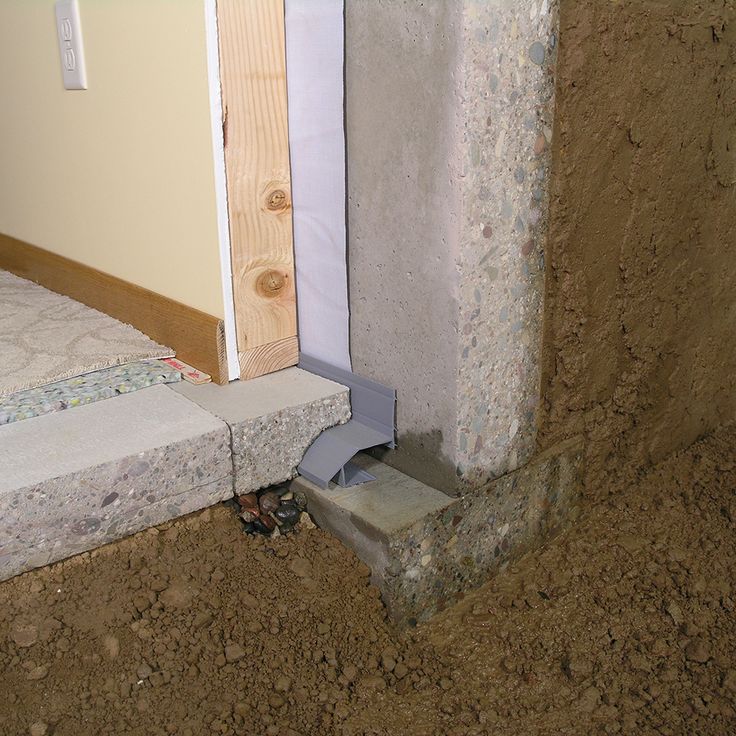
For more serious water issues, you might consider installing an interior water drainage system. It’s a bit more complex, but it effectively redirects water from the inside of your home to the outside. You’ll need to hire a professional for this, but it’s a worthwhile investment if water problems persist after simpler solutions.
Finally, consider exterior waterproofing. This is the most thorough option, but also the most labor-intensive and costly.
It involves excavating around your home to install a waterproof barrier and drainage system. It’s the best long-term solution, especially if you live in an area with high rainfall.
Professional Basement Waterproofing Services
When you’re dealing with a persistently damp basement, professional basement waterproofing services can be a game-changer. These experts bring the know-how, equipment, and experience that you may lack. Their thorough approach guarantees that every potential source of leakage is identified and effectively sealed.
This service typically involves an initial assessment to identify the root cause of your basement’s water problem. This could be anything from cracks in the foundation, faulty gutters, or inadequate grading.
Once identified, they’ll devise a tailored solution that may include the installation of waterproofing products such as membranes, sealants or drainage systems.
Such professionals are also knowledgeable in complying with building codes and regulations which you mightn’t be aware of. This guarantees that the waterproofing isn’t only effective but also legal and safe.
They can also provide valuable advice on preventing future water intrusion, keeping your basement dry and your home healthy for years to come.
Post-Waterproofing Maintenance Practices
In the wake of successful basement waterproofing, it’s important to adopt consistent maintenance practices to guarantee the longevity of your waterproofing system.
After all, it’s not just about making your basement waterproof but making certain it stays that way.
Start by regularly inspecting your basement for signs of water or moisture.
Look for damp spots on walls, floors and ceilings, or any peeling paint or wallpaper.
If detected, it’s vital to address these issues promptly to prevent further damage.
Clean your gutters and downspouts periodically.
Blocked gutters can cause water to overflow and seep into your basement, undermining your waterproofing efforts.
Regularly check the slope of your yard.
It should angle away from your home to facilitate proper water runoff.
If water pools near your house, you may need to regrade your yard.
Lastly, maintain your sump pump.
It’s your basement’s last line of defense against water intrusion.
Make sure it’s in working order and consider installing a battery backup for power outages.
Waterproofing and Home Value Increase
The decision to waterproof your basement not only secures a dry and healthy living space, but it can also considerably boost your home’s value.
It’s an investment that often pays for itself when you decide to sell your property.
When prospective buyers see a waterproofed basement, they see a house maintained with care.
It’s a clear signal that you’ve taken proactive measures to prevent potential water damage. This is especially important in regions prone to heavy rain or flooding.
Basement waterproofing also expands the usable square footage of your home.
It converts a typically damp, unusable space into a dry, livable area. This could be a game room, an extra bedroom, or even a home office.
Buyers will appreciate this additional space, which ultimately drives up your home’s value.
Lastly, a waterproofed basement can reduce energy costs.
By sealing cracks and leaks, you’re improving your home’s insulation, leading to lower heating and cooling bills.
This energy efficiency is another attractive feature for home buyers.
In short, waterproofing your basement is a strategic move that not only benefits your family’s health and comfort but also increases the attractiveness and market value of your home.
Real Stories: Basement Waterproofing Successes
Through the lens of real-life experiences, we can truly grasp the transformative power of basement waterproofing.
Here’s a story that might resonate with you. John, a homeowner in Ohio, had a musty, damp basement that wasn’t usable. A constant fear of potential water damage to stored items made him seek a solution. He finally opted for professional basement waterproofing.
Within days, John noticed a significant difference. The musty smell was gone, and the space felt drier. He was even able to convert his basement into an entertainment room for his kids. The waterproofing not only provided a healthier home environment but also increased his property value.
Likewise, Sarah, a homeowner from Michigan, experienced persistent flooding in her basement during heavy rainfalls. The installation of a sump pump and a proper drainage system eliminated her worries. Her basement is now dry, even during the worst weather conditions.
These stories underline the incredible impact of basement waterproofing. It’s not just about preventing damage, but also about enhancing your home’s usability and value.
Don’t let your basement be a source of stress. Act now, waterproof today, and enjoy a dry, healthy home tomorrow.
Frequently Asked Questions
What Are the Potential Health Risks Associated With a Wet Basement?
You’re at risk of developing respiratory issues due to mold growth in a wet basement. It can also attract pests, causing potential diseases. Your home’s structural integrity might be compromised, leading to expensive repairs.
Can Waterproofing Be Done in All Seasons or Is There a Recommended Time?
Yes, you can waterproof your basement in all seasons. However, it’s often recommended to do it in dry weather, like summer or early fall, as wet conditions might interfere with the sealants’ effectiveness.
How Long Does the Average Basement Waterproofing Process Usually Take?
You’re asking about the duration of basement waterproofing. Generally, it can take 1-3 days depending on the complexity of the job. However, extensive issues could prolong this, so it’s best to consult with professionals.
Is It Safe to Stay at Home During the Basement Waterproofing Process?
Yes, it’s typically safe for you to stay home while your basement’s being waterproofed. However, you might experience some noise and dust. If you’re sensitive to these, consider making alternative arrangements during the process.
What Is the Lifespan of a Professionally Waterproofed Basement?
You’re asking about the lifespan of a professionally waterproofed basement. Generally, it’s long-lasting. If done correctly, it’ll serve you well for 25-30 years. However, it can vary based on factors like workmanship and materials used.
Conclusion
Don’t let moisture issues dampen your home’s health or value. Waterproof your basement today, sidestep mold growth, structural damage, and enjoy a dry, usable space tomorrow. Try DIY methods, or better yet, hire professionals for guaranteed results. Regular maintenance post-waterproofing keeps problems at bay. Remember, your investment in basement waterproofing not only guarantees a healthy home but also potentially boosts your property value. So, act now and enjoy the peace of mind that comes with a waterproofed basement!

20 + years of experience! – It’s hard to find another company like ours. Our team of experts have decades of experience in residential and commercial construction, plumbing, masonry, and carpentry skills. Not just waterproofing …
5 Star Customer Satisfaction Guarantees! – We receive many compliments on our level of professionalism, cutting edge materials, hard working crews, cleanliness, and customer service: which is something hard to find in our industry. Our goal is to exceed your expectations from start to finish! We are here to alleviate your anxiety and will work our hardest to make sure that all of your concerns are achieved 100%.