

You’ve noticed cracks in your foundation and leaks in your basement, and you’re wondering what to do next. It’s a common issue but left unchecked, it could lead to serious structural damage. Sure, there are numerous waterproofing solutions available, but how do you know which ones really last? Don’t worry, we’re here to help you navigate through this. We’ll discuss the causes, the telltale signs, and the most effective, long-lasting solutions. Interested to learn more? Stay with us.
Understanding Foundation Cracks
The ominous sight of a foundation crack might initially cause you some alarm. After all, it’s a glaring sign that something’s wrong with the structural integrity of your house. But before you panic, let’s dissect the issue.
You’ll notice that not all foundation cracks are created equal. They vary in size, direction, and location, each presenting a unique set of concerns. Hairline cracks, for instance, are typically less than 1/8 inch wide and may not present immediate problems.
However, horizontal cracks larger than 1/8 inch could be a telltale sign of pressure from the soil outside your home, requiring more immediate attention.
Moreover, the location of the cracks can be just as telling. Cracks near the corners of your house may be due to settlement or shrinkage, while those around windows and doors could indicate a more serious foundation shift.
Knowing how to analyze these cracks is essential. You can’t just plaster over them and hope for the best. They’re a symptom of an underlying problem that needs addressing.
Causes of Basement Leaks
While understanding foundation cracks is a significant first step, it’s equally important to explore another common household issue – basement leaks. These aren’t just nuisances; they’re symptoms of potentially serious problems.
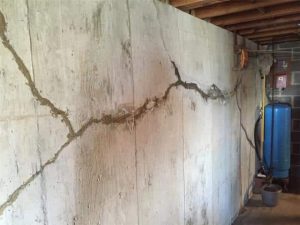
The root cause of most basement leaks is water pressure. When soil around your home becomes saturated with water, hydrostatic pressure builds up and forces water through cracks in your walls or floor. This can be a result of heavy rainfall, poor drainage, or a high water table.
Another cause is capillary action, or wicking. This is when water is drawn through concrete due to its porous nature. Wicking can cause damp spots and even puddles in your basement, particularly if your home’s water table is high.
Cove joint seepage is another culprit. This occurs when hydrostatic pressure forces water in through the joint where the wall meets the floor.
Window wells can also cause leaks if they aren’t properly drained. Water can build up in the well and eventually seep through your windows.
Identifying Basement Water Problems
To effectively tackle basement water issues, you must first know how to identify the signs.
You’ll need to look for signs of moisture, such as condensation on your basement walls or floors, which can indicate a high humidity environment prone to water problems.
Furthermore, understanding how to analyze wall dampness and spotting water damage signs like discoloration, peeling paint, or mold growth is essential for accurate diagnosis and successful waterproofing solutions.
Recognizing Moisture Issues
Before you can begin tackling the issue of basement leaks and foundation cracks, it’s important to recognize the telltale signs of moisture problems. Just like a doctor diagnosing a patient, you’re looking for symptoms that point to an underlying issue.
The first sign that you’re dealing with a moisture issue is a musty smell. This odor often indicates the presence of mold or mildew, which thrive in damp environments. Don’t ignore this distinct scent; it’s a clear red flag that you’ve got moisture seeping in somewhere.
Next, look for visible signs of water damage. This may include water stains on walls, floors, or ceilings, especially near the base of your walls. Discoloration or dark spots are telltale signs of prolonged water exposure.
Also, be on the lookout for efflorescence, a white, chalky substance that forms on concrete or brick when water evaporates and leaves behind mineral deposits.
Lastly, check for condensation on walls, windows, or pipes. This is a surefire sign of high humidity levels, hinting at a larger moisture problem.
Analyzing Wall Dampness
Now that you’ve spotted the signs of moisture issues, it’s time to get a closer look at your basement walls. Analyzing wall dampness isn’t just about mere observation. It requires a detailed, methodical approach.
Start by inspecting the walls for discoloration, a common symptom of water infiltration. It often presents as a yellowish or brownish stain.
Next, you’ll want to touch the walls. Damp walls typically feel cooler and might even have a slight slimy texture. Don’t ignore any white, powdery substance on the wall surface, as this is efflorescence, a clear sign of water seepage.
Consider investing in a moisture meter. This handy device can accurately measure the moisture content of your walls, giving you a quantifiable means of evaluating wall dampness.
It’s also wise to inspect the exterior walls of your basement. Look for signs of ground water pooling, as it might indicate poor drainage, which could be causing your dampness issues.
Signs of Water Damage
Venturing deeper into the domain of basement water problems, it’s vital to recognize the signs of water damage. You should be on the lookout for discoloration on walls, ceilings, and floors. This usually manifests as yellow, brown, or copper stains, and it’s often the first sign of a leak.
Mold is another telltale sign. It’s typically green or black and thrives in damp environments. If you smell a musty odor, it’s likely you’ve got mold growth. Don’t ignore it; it’s a serious health hazard.
Peeling paint is another indicator. Water-soaked paint loses adhesion, causing it to bubble or peel off. Be mindful of swollen wood too; water causes wood to expand, a clear sign of water infiltration.
Wall and floor cracks are often overlooked. While they might seem harmless, they’re fundamentally invitations for water to seep in.
Finally, keep an eye out for efflorescence. This white, powdery substance occurs when water evaporates from your concrete walls, leaving behind salt deposits.
It’s important to identify these signs early on to prevent further damage. Don’t wait until it’s too late; waterproof your basement and protect your property.
Importance of Basement Waterproofing
Digging into the importance of basement waterproofing, we quickly realize it’s not just an option, but a necessity for homeowners.
It’s about safeguarding your investment. That’s right, ignoring waterproofing can lead to significant damage, and cost you big bucks in the long run.
Water seepage in your basement isn’t just a nuisance; it can pose serious threats to the structural integrity of your home.
Over time, water can erode the foundation, leading to cracks and potential collapses. It can also foster the growth of mold and mildew.
These fungi not only damage materials but can also cause serious health issues like allergies and respiratory problems.
Furthermore, a damp basement decreases your home’s value.
Prospective buyers will likely shy away from a house with a leaky basement, as it signals expensive future repairs.
But, a waterproofed basement not only boosts property value, it also expands the usable space in your home, providing a cozy and safe environment.
In essence, preventive measures are essential.
By waterproofing your basement, you’re not only enhancing the longevity of your home but also protecting your health and financial investment.
That’s why it’s not just important; it’s indispensable.
Effective Waterproofing Techniques
Let’s dive straight into the heart of effective waterproofing techniques.
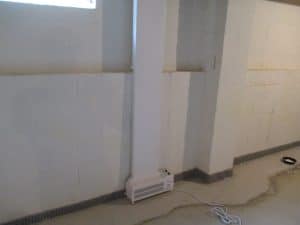
First up is the Interior Water Drainage. Rather than trying to keep water out completely, this technique focuses on managing the water that gets in. You’ll need to install a drain inside your basement along the perimeter of the floor to collect water and send it to a sump pump, which then pumps it out.
Next, we’ve Exterior Waterproofing, a more thorough method that aims to stop water from making its way into your home. It involves excavating around your house to the full depth of your foundation walls, then installing a waterproof coating or membrane topped by drainage panels.
Sealants are another option, though they’re more of a temporary solution and not recommended for addressing serious leaks. They can seal gaps and cracks in your walls and floors, helping to keep minor dampness at bay.
Lastly, there’s Basement Waterproofing Paint, fundamentally a thicker version of the paint you’d normally put on your walls. It can be applied to both the interior and exterior of your basement.
While it won’t solve major leaks, it can help manage minor moisture issues. Now, remember, each technique has its pros and cons, so choose wisely.
Maintaining Your Waterproofed Basement
Having selected and implemented the right waterproofing technique, your focus should now shift to maintaining your waterproofed basement. Confirming longevity of your waterproofing solution largely depends on your maintenance procedures.
Firstly, regularly inspect your basement for any signs of moisture. It’s vital to catch any potential issues early before they escalate into major problems. Moisture detectors can be a beneficial tool in this process.
Periodically check your sump pump, as well, to verify it’s functioning properly and efficiently removing water from your basement.
Secondly, you should take measures to control the humidity levels in your basement. High humidity can create a damp environment, which could potentially compromise your waterproofing. A dehumidifier can assist in maintaining an appropriate humidity level, preventing dampness and mould growth.
Lastly, keep an eye on the exterior of your basement. Regular cleaning of gutters and downspouts, as well as verifying proper landscape grading, can prevent water from pooling around your foundation.
Conclusion
Don’t let a small crack turn your basement into the Grand Canyon of leaks! Waterproofing isn’t just smart, it’s essential to keeping your home dry and safe. With effective techniques, regular maintenance, and a keen eye for early signs of trouble, you’ll not only protect your investment but also create a healthier living space. So, tackle those foundation cracks and basement leaks head-on. Remember, a stitch in time saves nine!

20 + years of experience! – It’s hard to find another company like ours. Our team of experts have decades of experience in residential and commercial construction, plumbing, masonry, and carpentry skills. Not just waterproofing …
5 Star Customer Satisfaction Guarantees! – We receive many compliments on our level of professionalism, cutting edge materials, hard working crews, cleanliness, and customer service: which is something hard to find in our industry. Our goal is to exceed your expectations from start to finish! We are here to alleviate your anxiety and will work our hardest to make sure that all of your concerns are achieved 100%.